
The Beginning of Campbell's Soup
Campbell's Soup is a well-known brand that has been around for over 150 years. It all began in 1869 when Joseph Campbell and Abraham Anderson started a canning business in Camden, New Jersey. Their first product was canned vegetables, fruits, jellies, and soups.

The First Soup Flavor
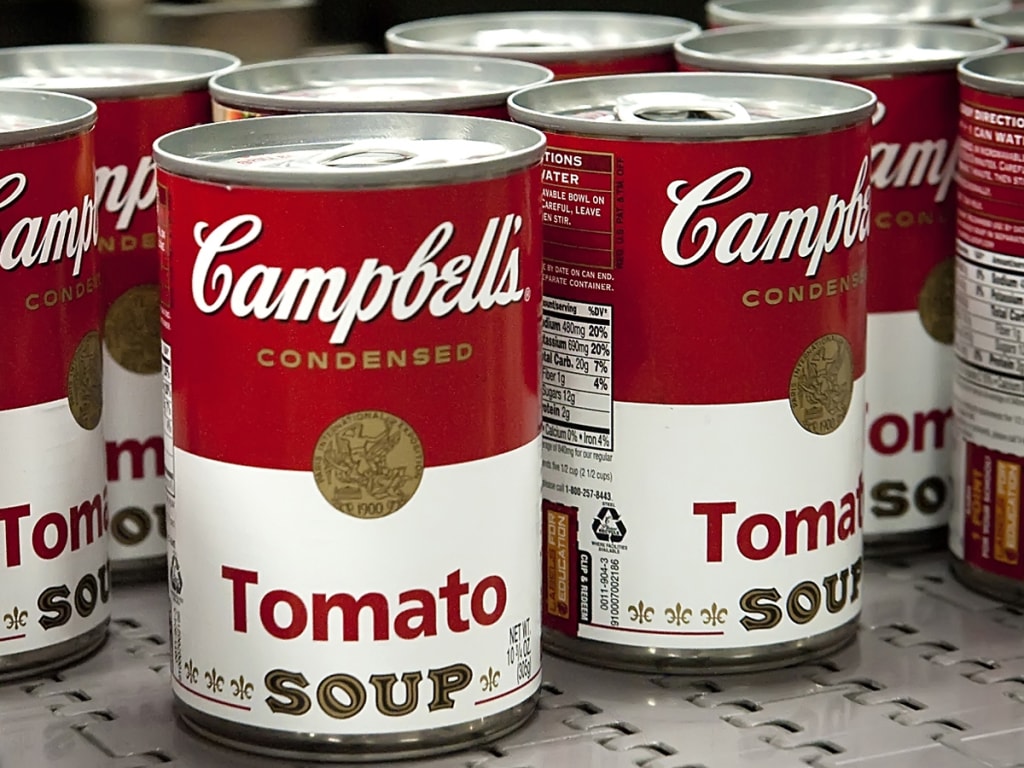
While Campbell's first product was canned vegetables, their first soup flavor was tomato. In 1897, the company introduced their condensed tomato soup, which quickly became a hit among consumers. The soup was easy to prepare, tasty, and affordable.

The Popularity of Tomato Soup
Tomato soup was not only popular in the United States but also in other countries. During World War I and II, American soldiers were supplied with canned tomato soup, and it became a symbol of home and comfort. Campbell's tomato soup was also used in many recipes, including casseroles, stews, and sauces.

The Evolution of Campbell's Soup
Over the years, Campbell's Soup has introduced many new flavors, including chicken noodle, cream of mushroom, and vegetable beef. The company also expanded its product line to include snacks, sauces, and beverages. However, tomato soup remains one of the most popular flavors to this day.
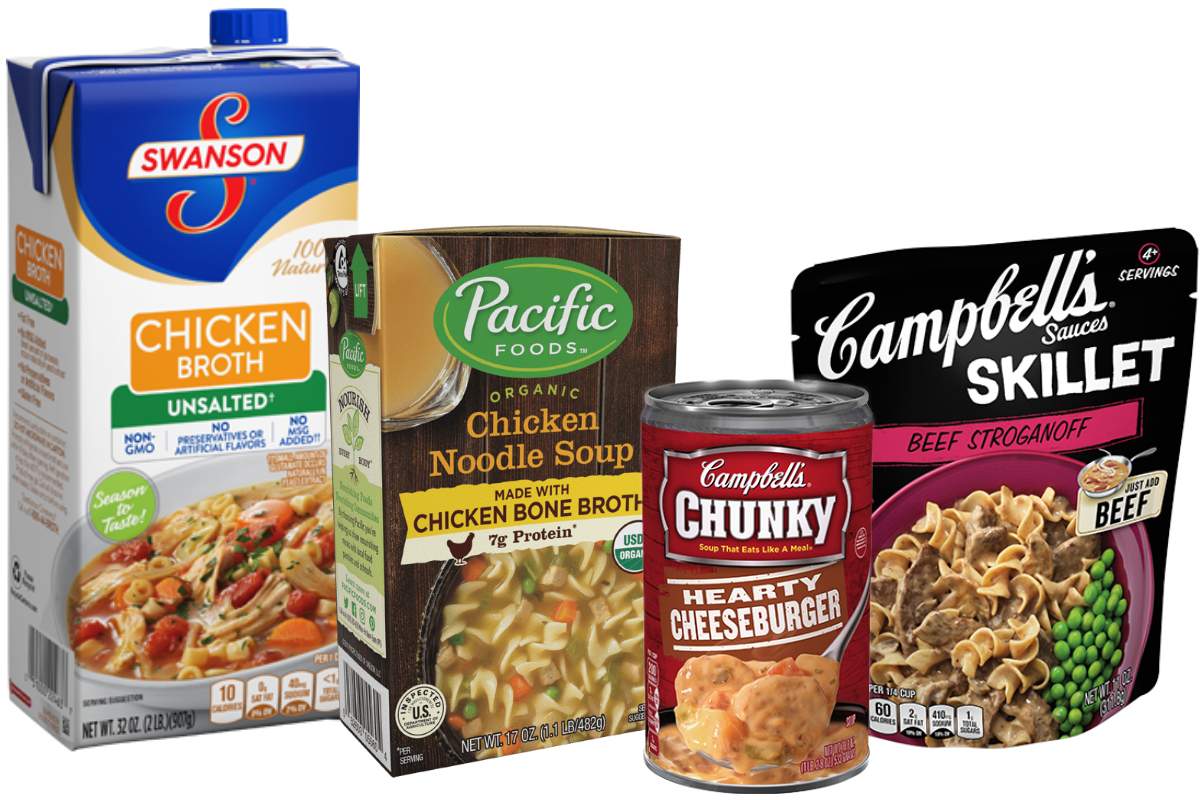
The Impact of Campbell's Soup
Campbell's Soup has had a significant impact on American culture and society. The company's products have been featured in movies, TV shows, and advertisements. Campbell's Soup has also been a sponsor of various events, including the Olympics and NASCAR.
The Future of Campbell's Soup
Despite the popularity of Campbell's Soup, the company has faced challenges in recent years. Consumers have become more health-conscious, and there is a growing demand for organic and natural products. To address these concerns, Campbell's Soup has introduced new products that are healthier and more environmentally friendly.

Conclusion
Campbell's Soup has come a long way since its humble beginnings as a canning business. Their first soup flavor, tomato, remains one of the most popular flavors to this day. The company has had a significant impact on American culture and society, and it continues to evolve to meet the changing needs of consumers.
Related video of What Was Campbell's First Soup?
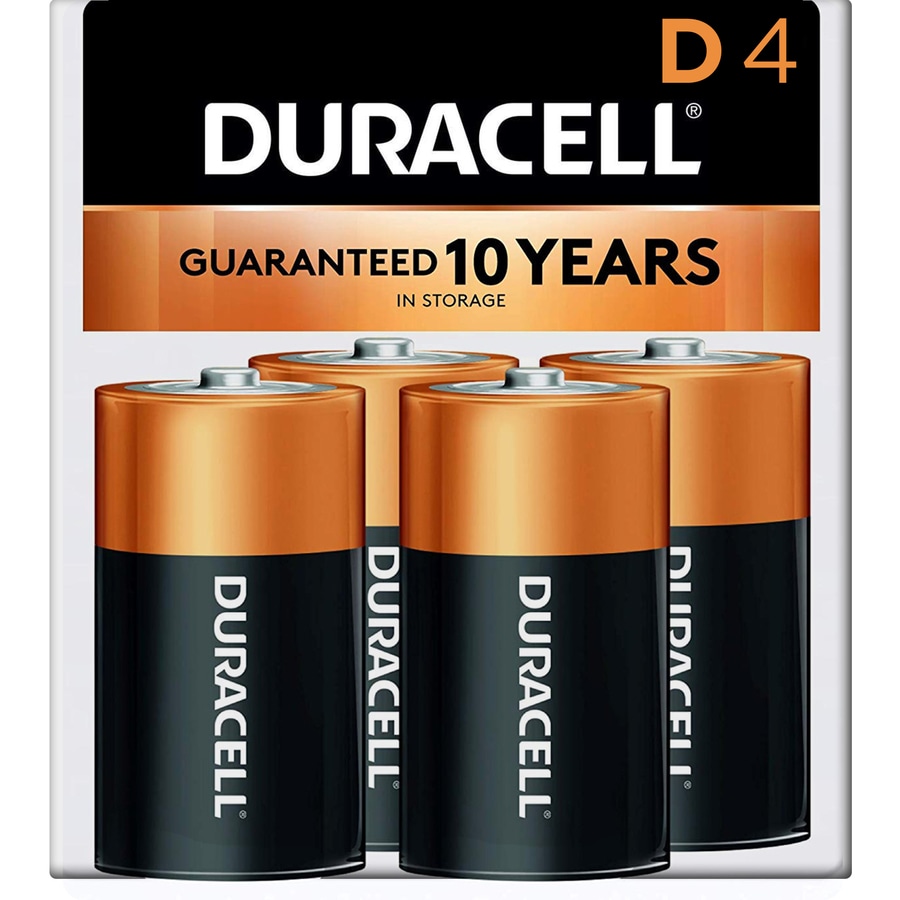
D batteries, also known as LR20 batteries, are commonly used in various devices that require high power output and long-lasting battery life. These batteries are cylindrical in shape and offer a voltage of 1.5 volts. They are widely used in both household and industrial applications. In this article, we will explore some of the common uses of D batteries.
Flashlights

One of the most common uses of D batteries is in flashlights. Flashlights require a lot of power to produce bright light, and D batteries provide the necessary power to do so. From household flashlights to heavy-duty industrial flashlights, D batteries are the go-to choice for powering these devices.
Toys
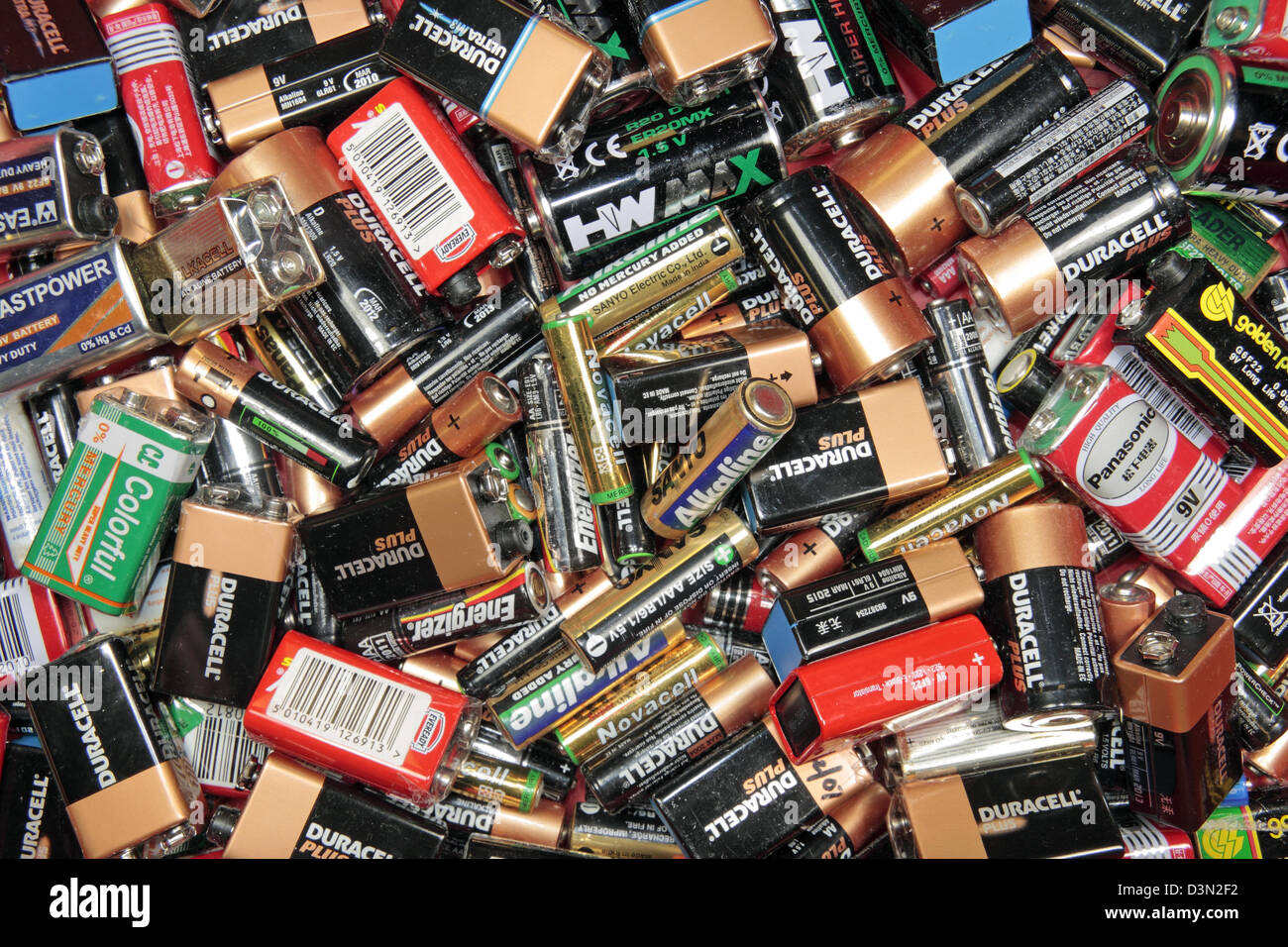
D batteries are also widely used in toys that require a lot of power to operate. Remote-controlled cars, robots, and other electronic toys often use D batteries because of their high power output and long-lasting battery life. This makes D batteries a popular choice among parents who want to keep their kids' toys running for longer periods of time.
Portable Radios

Portable radios are another common application for D batteries. These radios are often used in remote areas where there is no access to electricity. D batteries provide the necessary power to keep these radios running for long periods of time without the need for recharging or replacing the batteries frequently.
Clocks

Wall clocks and alarm clocks also use D batteries to keep the time ticking. These clocks require a constant source of power, and D batteries provide the necessary voltage to keep them running for months or even years without the need for replacement.
Smoke Detectors
Smoke detectors are a critical safety device that should be present in every home. These detectors often use D batteries as their power source. The batteries provide the necessary power to keep the detectors running and alert homeowners in case of a fire or smoke in the house.
Portable Speakers

Portable speakers are also a popular application for D batteries. These speakers are often used in outdoor settings where there is no access to electricity. D batteries provide the necessary power to keep the music playing for hours without the need for recharging or replacement.
Cameras
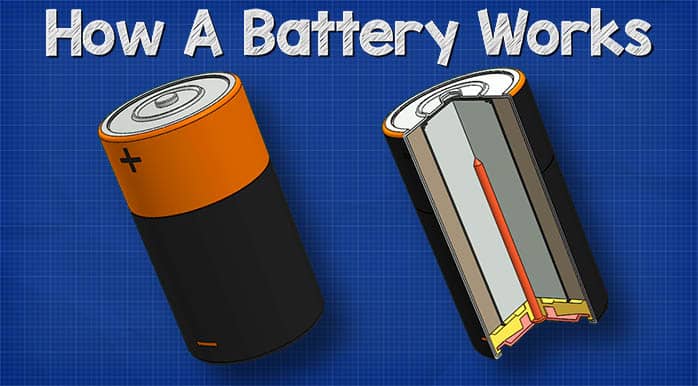
Some cameras, especially older models, use D batteries as their power source. This is because D batteries provide the necessary voltage to power the camera's flash and other high-power features. While most modern cameras use rechargeable lithium-ion batteries, some photographers still prefer using D batteries for their reliability and long-lasting power.
Radios
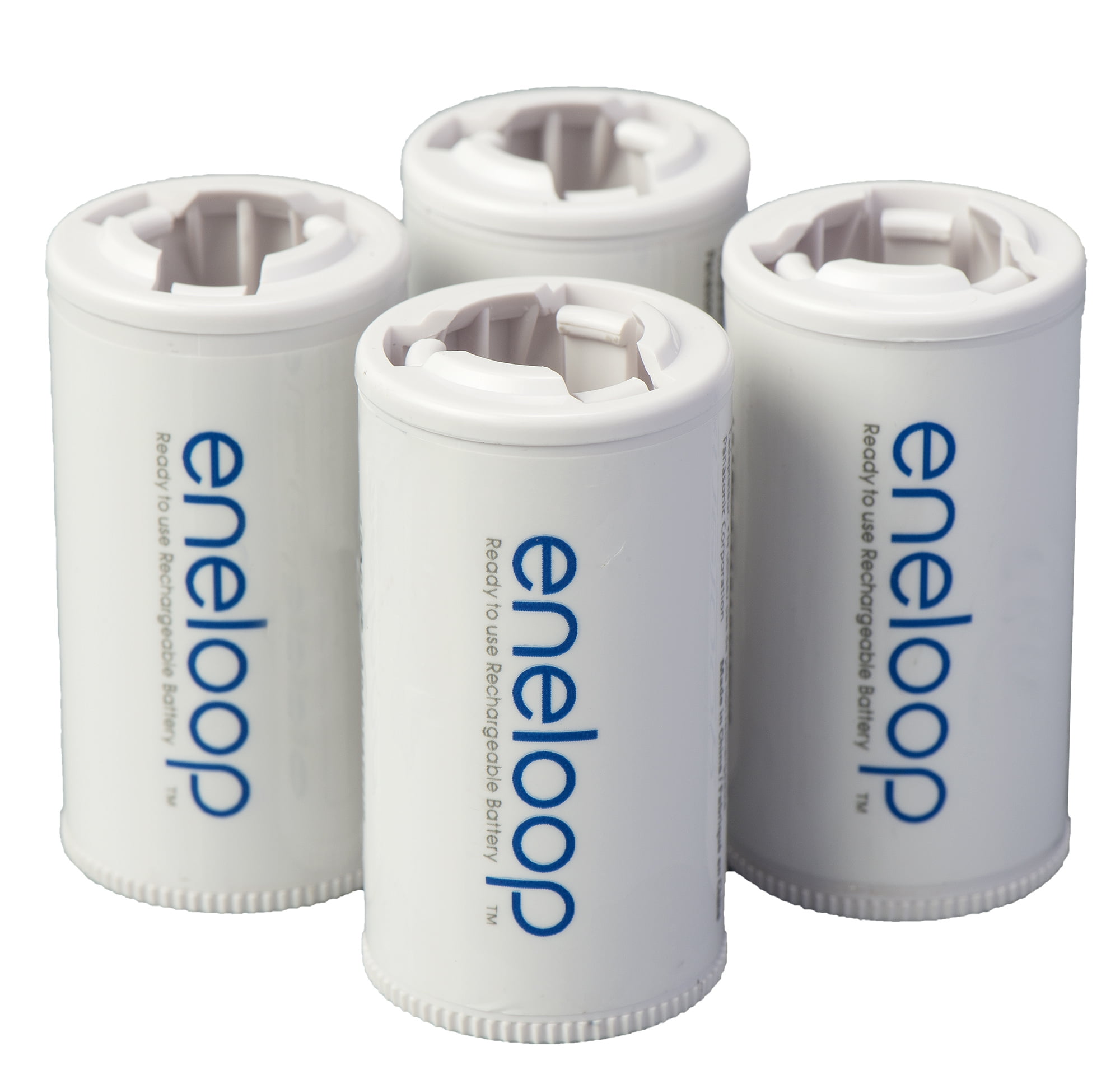
Portable radios, like boomboxes and transistor radios, are also commonly powered by D batteries. These radios are often used in outdoor settings where there is no access to electricity. D batteries provide the necessary power to keep these radios running for hours without the need for replacement or recharging.
Remote Controls
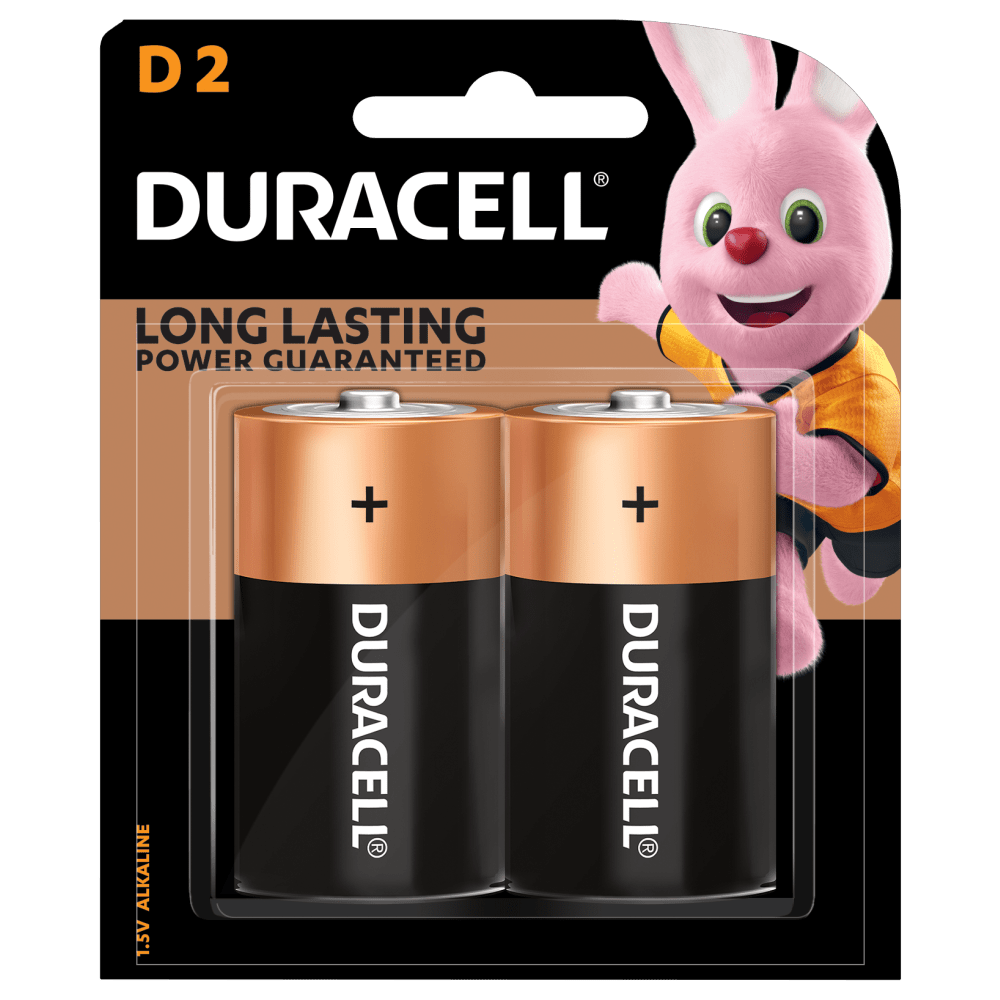
Most remote-controlled devices, like TVs and air conditioners, use AA or AAA batteries. However, some remote controls, especially those for older devices, use D batteries. These batteries provide the necessary power to operate the remote control's high-power features, like infrared signals and backlighting.
Conclusion
As we have seen, D batteries have a wide range of applications in both household and industrial settings. From flashlights to smoke detectors, these batteries provide the necessary power to keep our devices running for long periods of time. If you have any devices that require D batteries, it's important to choose high-quality batteries to ensure long-lasting performance and reliability.
Related video of What Uses D Batteries
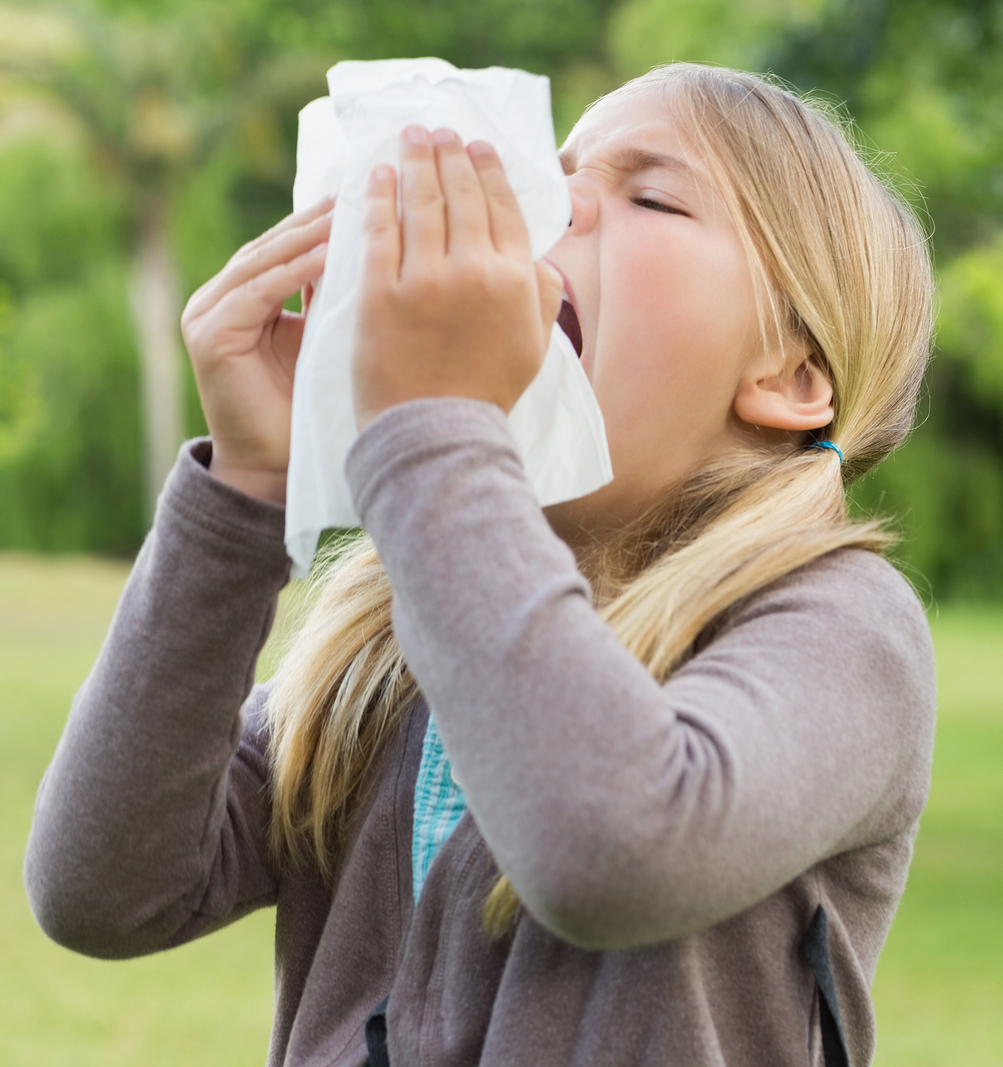
Do you know what to say when someone sneezes in French? It may seem like a small thing, but it's actually an important part of French culture and etiquette.
The Basics

The most common thing to say when someone sneezes in French is "à vos souhaits" or "à tes souhaits." These phrases mean "to your wishes" or "to your health."
If you want to be a bit more formal, you can say "à vos souhaits, madame/monsieur" or "à tes souhaits, madame/monsieur." This is a polite way to address someone, especially if you don't know them well.
Regional Variations

Like many things in France, there are regional variations in what to say when someone sneezes. In some parts of the country, people say "Dieu vous bénisse" or "God bless you." This is more common in rural areas.
In the south of France, people may say "tchin tchin" or "santé" when someone sneezes. These phrases mean "cheers" or "health," and are often used when people are drinking.
Other Options

If you don't want to use the traditional phrases, there are other options. Some people say "à tes souhaits, et que ça ne t'arrive pas souvent" or "to your health, and may it not happen to you often." This is a more lighthearted way to respond to a sneeze.
Another option is to say "à la vôtre" or "à la tienne," which means "to yours" or "to your health." This is a more informal way to respond, and is often used among friends or family.
Conclusion
Knowing what to say when someone sneezes in French is an important part of French culture and etiquette. Whether you use the traditional phrases or something more lighthearted, it's a small way to show respect and politeness to those around you.
Related video of What To Say When Someone Sneezes In French
Choosing a name for your baby is an exciting but daunting task. Your baby's name will be a part of their identity for the rest of their lives. It's important to choose a name that both you and your child will be proud of. Here are some tips to help you decide what to name your baby.
Consider the meaning

The meaning of a name can be important to some parents. Consider what you want your child's name to represent. For example, if you want your child to have a strong and courageous personality, you may want to choose a name that means "brave" or "warrior".
Think about family names

Family names can be a great source of inspiration for baby names. Consider using a family member's name as a first or middle name. This can be a great way to honor a loved one and carry on their legacy.
Consider the sound of the name
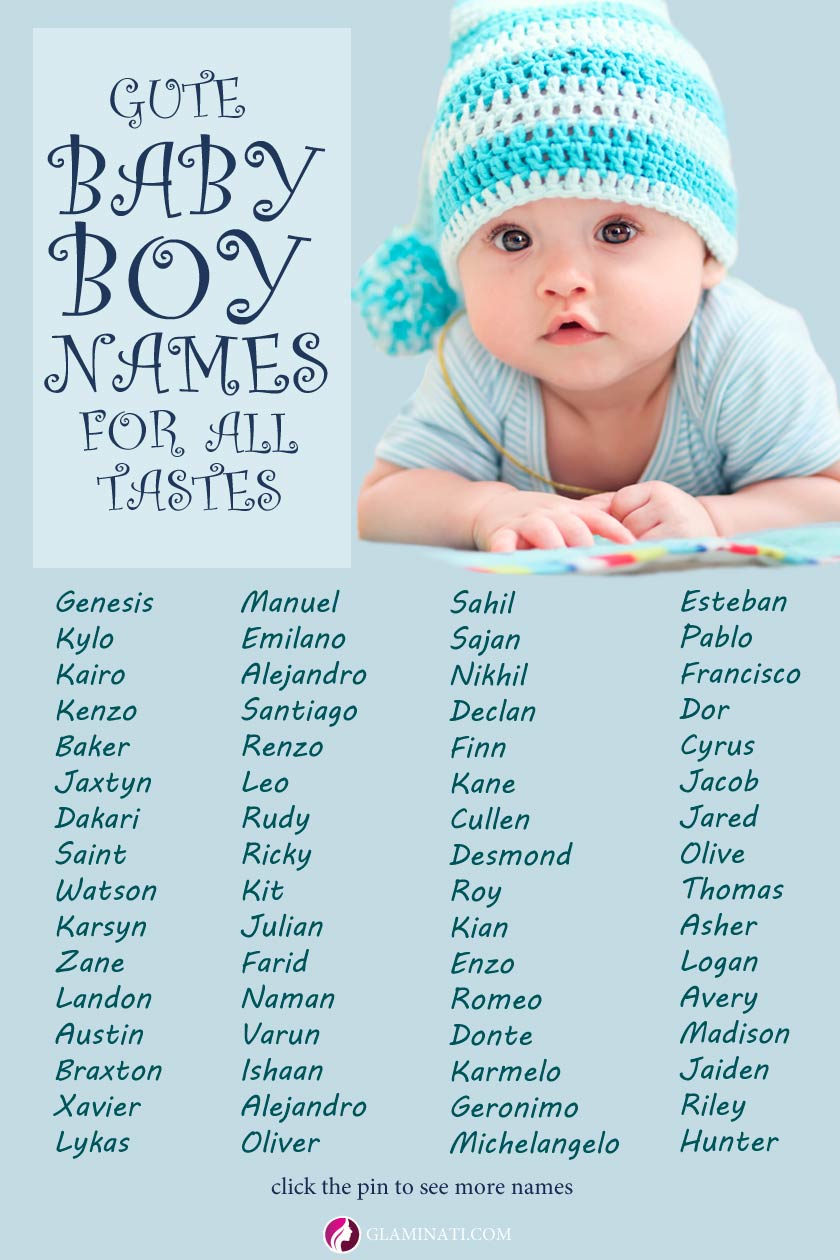
The sound of a name is important to some parents. Consider how the name sounds when spoken out loud. Does it flow well with your last name? Does it have a pleasant sound?
Look at popular names
Looking at popular names can give you an idea of what names are currently in style. However, be careful not to choose a name just because it's popular. Your child's name should be unique and special to them.
Consider cultural significance

Consider the cultural significance of a name. If you have a strong connection to your culture, you may want to choose a name that reflects that. This can be a great way to honor your heritage and pass on traditions to your child.
Think about nicknames
Consider the nicknames that may come with your child's name. While you may love a name, your child may end up being called something completely different. Make sure you're okay with the potential nicknames that may come with the name.
Consider the spelling

The spelling of a name can be important to some parents. Consider how the name is spelled and if it will be easy for others to spell and pronounce. You don't want your child to spend their whole life correcting people on the spelling of their name.
Look at the initials

Consider the initials that may come with your child's name. Make sure the initials don't spell out anything embarrassing or inappropriate. You don't want your child to be teased because of their initials.
Consider the future

Consider how the name will sound when your child is an adult. Will it still be appropriate and fitting? Make sure the name doesn't limit your child's future opportunities.
Get feedback

Get feedback from family and friends on potential names. They may have suggestions or insights that you haven't thought of. However, don't let their opinions override your own. Ultimately, it's your decision.
Consider the gender

Consider the gender of your baby when choosing a name. While some names can be used for both genders, others may be more suited for one or the other. Make sure the name you choose is appropriate for your baby's gender.
Think about the middle name

The middle name can be a great place to be more creative with the name. Consider using a family name or a name that you love but wouldn't want as a first name.
Consider the meaning in other languages

Consider the meaning of the name in other languages. You don't want to choose a name that has a negative meaning in another language.
Consider the current trends

Consider the current trends in baby names. You may want to choose a name that fits in with the current trends or go against the grain and choose something unique.
Think about the pronunciation

Consider how the name is pronounced. Make sure it's easy for others to pronounce and that you're pronouncing it correctly.
Consider the length of the name

The length of the name can be important to some parents. Consider how the name will look on official documents and if it will fit on forms and applications.
Think about the personality

Consider the personality of your child when choosing a name. You may want to choose a name that reflects their personality or choose a name that you hope will shape their personality.
Consider the spelling variations

Consider the different spelling variations of the name. Make sure you're okay with people spelling the name differently and that it won't be confusing for your child.
Think about the popularity

Consider the popularity of the name. You may want to choose a name that's not too popular to ensure your child stands out or choose a name that's popular to ensure they fit in with their peers.
Consider the timelessness

Consider the timelessness of the name. You may want to choose a name that won't go out of style or choose a name that's a classic and will never go out of style.
Conclusion
Choosing a name for your baby is a big decision. Consider all of the factors that are important to you and your family. Remember, your child's name will be a part of their identity for the rest of their life.
Related video of What To Name Your Baby
Stripped screws can be a nightmare to deal with, especially if you're in the middle of a project. Whether you're a DIY enthusiast or a professional, it's important to know how to handle a stripped screw. In this article, we'll discuss the different ways you can deal with a stripped screw to get your project back on track.
Identifying A Stripped Screw

The first step in dealing with a stripped screw is identifying it. A stripped screw is one that has lost its grip in the material it's screwed into. You can tell it's stripped if the screwdriver doesn't grip the screw head properly, and the screw keeps turning without coming out.
Using A Rubber Band

If the stripped screw head is visible, you can try using a rubber band to get a better grip. Place the rubber band over the screw head and press the screwdriver into it. The rubber band will fill the gaps in the screw head, providing more grip for the screwdriver.
Using Pliers
If the screw head is too damaged to use a screwdriver, you can try using pliers to turn the screw. Grip the screw head with a pair of pliers and turn it counterclockwise to remove it.
Using A Screw Extractor

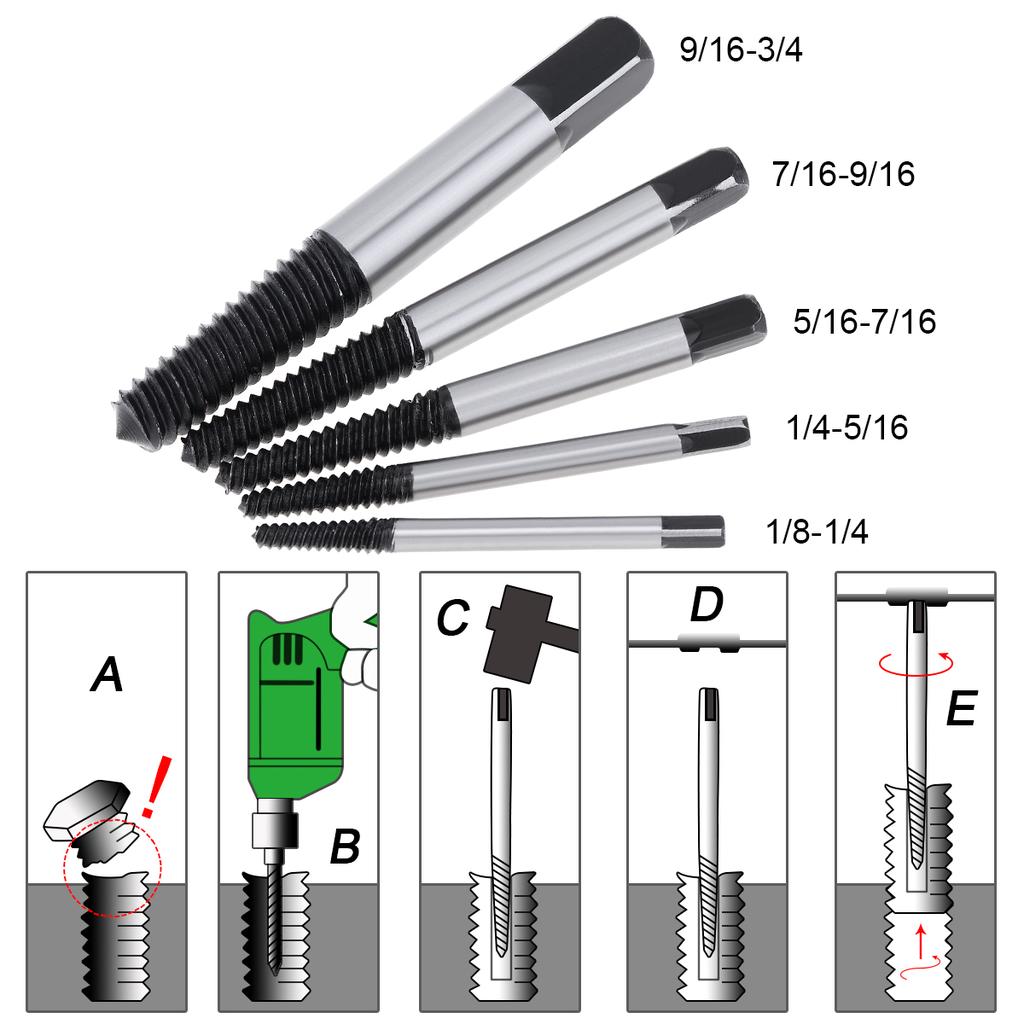
If the screw is completely stuck and won't come out, you can use a screw extractor to remove it. A screw extractor is a specialized tool that's designed to grip onto the stripped screw and turn it out. You'll need to drill a small hole into the center of the screw head and then insert the screw extractor into the hole. Turn the extractor counterclockwise to remove the screw.
Using A Dremel Tool

If none of the above methods work, you can try using a Dremel tool to cut a slot into the screw head. This will allow you to use a flathead screwdriver to remove the screw. Be careful not to cut too deep into the material surrounding the screw.
Preventing Stripped Screws
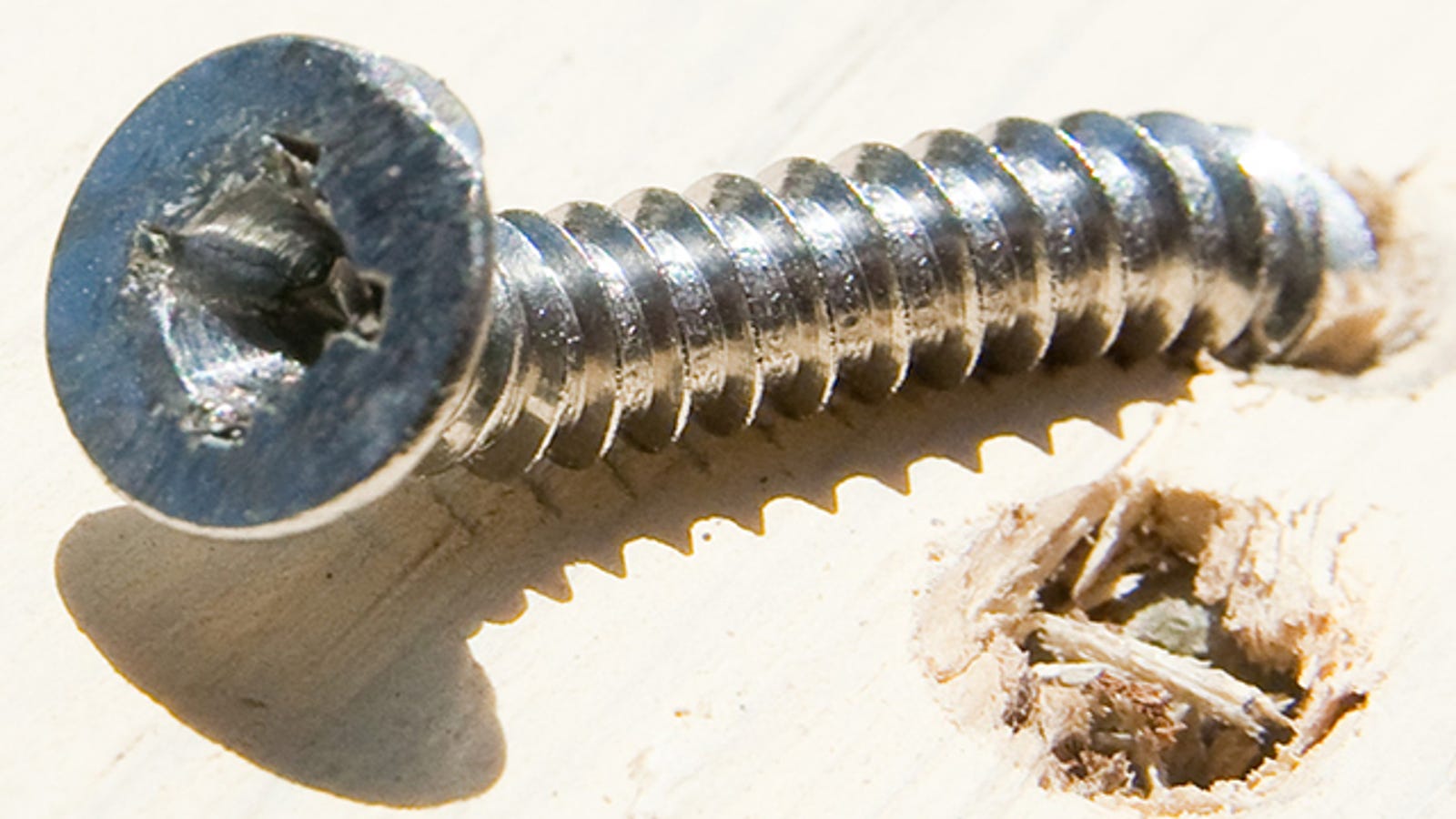
Prevention is always better than cure, and there are a few things you can do to prevent stripped screws. Firstly, make sure you're using the right size and type of screwdriver for the screw you're using. Secondly, apply pressure to the screw while turning it to prevent it from slipping. Finally, lubricate the screw with a little bit of oil or wax to make it easier to turn.
Conclusion
Dealing with a stripped screw can be frustrating, but with the right tools and techniques, it doesn't have to be. Whether you're using a rubber band, pliers, a screw extractor, or a Dremel tool, there's a solution to every problem. By taking steps to prevent stripped screws in the first place, you can save yourself time and hassle in the long run.
Related video of What To Do With A Stripped Screw

Snakes are fascinating creatures that are found in almost all parts of the world. While most of them are harmless, there are some that are venomous and can cause serious harm to humans. If you ever find yourself in a situation where you have been bitten by a venomous snake, it is important to know what to do.
Stay Calm

The first thing you need to do when you are bitten by a venomous snake is to stay calm. Although it can be quite scary to be bitten by a snake, panicking will only make things worse. When you panic, your heart rate increases, which can cause the venom to spread more quickly throughout your body.
Call for Help

The next thing you need to do is call for help. If you are in a remote area, try to get to a place where you can get help. If you have a cell phone, call emergency services or a local hospital. They will be able to tell you what to do next and may send someone to help you.
Identify the Snake
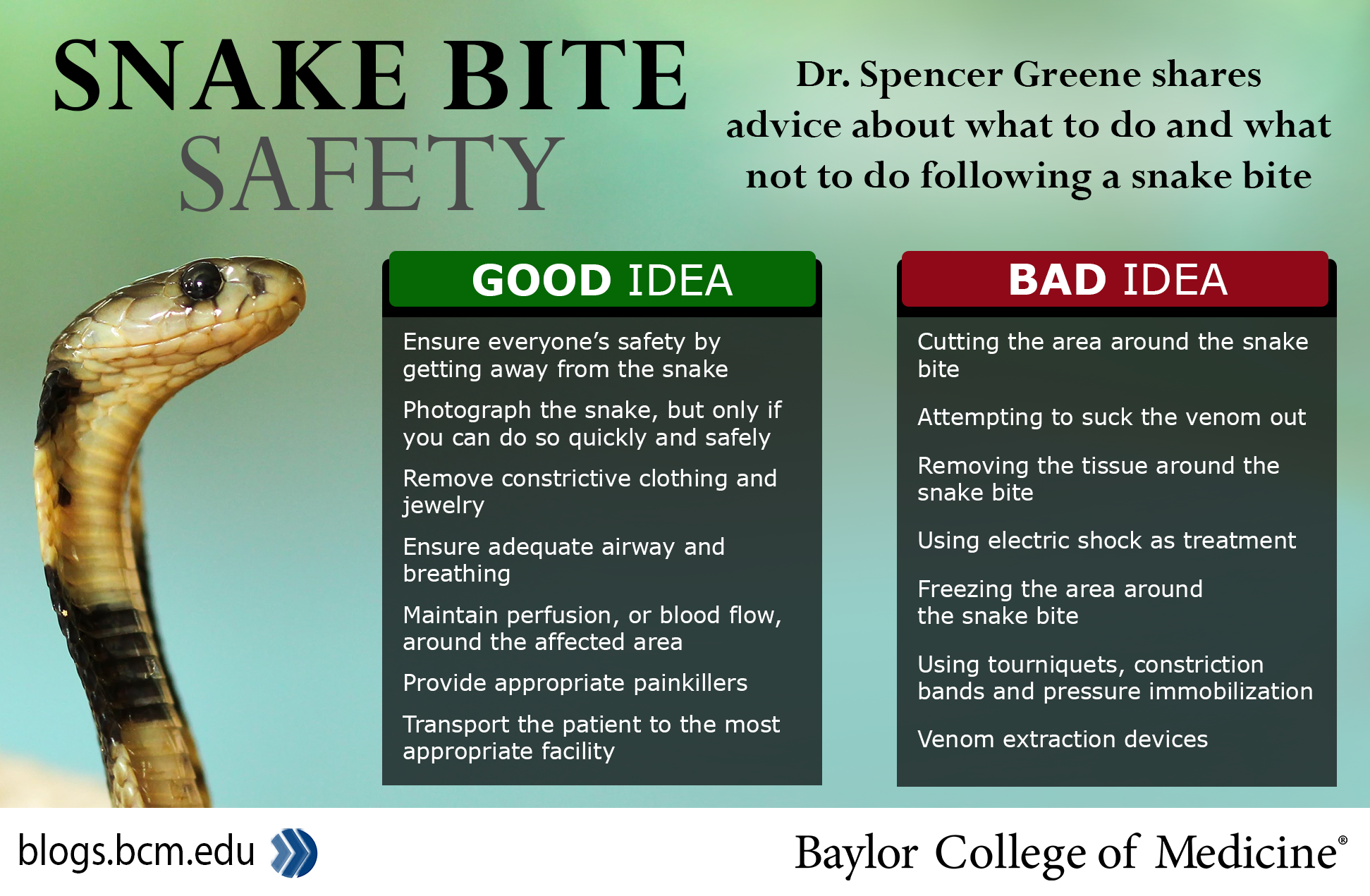
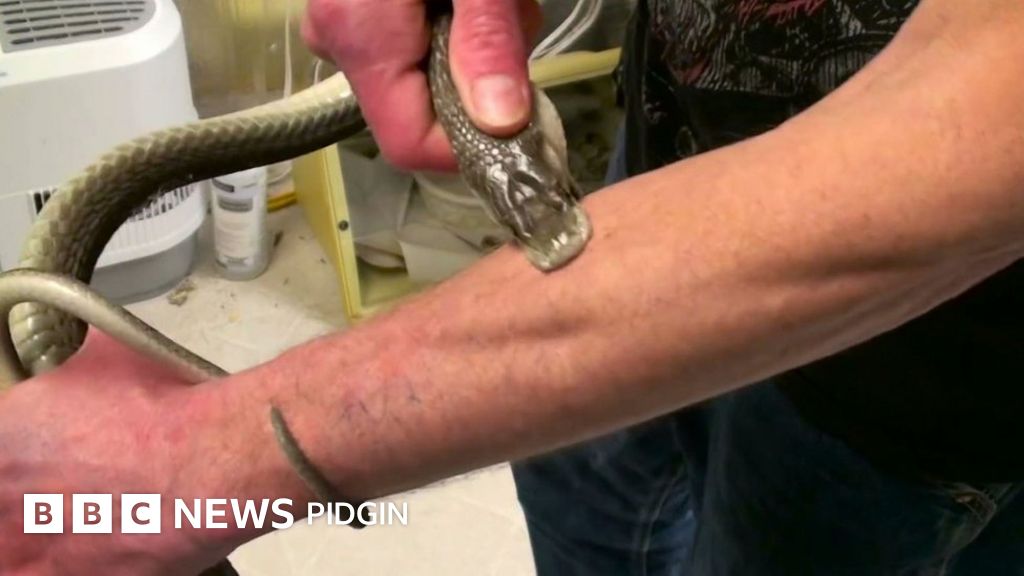
If possible, try to identify the snake that bit you. This will help medical professionals determine what type of antivenom you need. Do not try to catch or kill the snake, as this can put you in further danger.
Keep the Bite Area Immobilized

Keep the bite area immobilized. This can slow down the spread of venom throughout your body. Do not try to suck out the venom or cut the bite area, as this can worsen the situation.
Stay Hydrated
It is important to stay hydrated after you have been bitten by a venomous snake. Drink plenty of water, but do not consume alcohol or caffeine, as these can speed up the spread of venom.
Get Medical Treatment

Seek medical treatment as soon as possible. The sooner you receive antivenom, the better your chances of recovery. If possible, go to a hospital that specializes in snake bites.
Conclusion
Being bitten by a venomous snake can be a terrifying experience, but knowing what to do can save your life. Stay calm, call for help, identify the snake, immobilize the bite area, stay hydrated, and seek medical treatment as soon as possible. Remember, prevention is always better than cure, so try to avoid areas where venomous snakes are known to live, wear protective clothing, and be aware of your surroundings.