
Peter Cullen is a Canadian voice actor and actor who has been in the entertainment industry for over 50 years. He has lent his voice to many iconic characters, but he is perhaps best known for voicing Optimus Prime in the Transformers franchise.
Early Life

Peter Cullen was born on July 28, 1941, in Montreal, Quebec, Canada. He grew up in a French-speaking household and was bilingual from a young age. He developed an interest in acting and voice work at a young age and pursued it as a career.
Career

Peter Cullen started his career as a voice actor in the 1960s, voicing characters in animated TV shows such as The Jetsons and The Smurfs. He also did voice work for commercials and documentaries.
In the 1980s, Cullen landed the role of Optimus Prime in the original Transformers animated series. The show was a huge success and Cullen's portrayal of Optimus Prime became iconic. He continued to voice the character in various Transformers TV shows, movies, and video games over the years.
Aside from Optimus Prime, Cullen has also lent his voice to other memorable characters such as Eeyore from Winnie the Pooh, KARR from Knight Rider, and King Kong in the 1976 movie of the same name.
Awards and Accolades

Peter Cullen has been recognized for his contributions to the entertainment industry with several awards and accolades. In 2010, he was inducted into the Transformers Hall of Fame. He has also won multiple Emmy Awards for his voice work in various TV shows and commercials.
Personal Life

Peter Cullen is a private person and doesn't share much about his personal life. He is married to a woman named Norma and they have three children together. Cullen is also a devout Christian and has credited his faith with helping him through difficult times in his life.
Legacy

Peter Cullen's legacy in the entertainment industry is cemented by his iconic portrayal of Optimus Prime. The character has become a cultural phenomenon and Cullen's voice has become synonymous with the heroic Autobot leader.
Aside from his work as a voice actor, Cullen is also known for his charitable work. He has been involved with organizations such as the Make-A-Wish Foundation and the Starlight Children's Foundation, among others.
Conclusion
Peter Cullen is a legendary voice actor who has made a lasting impact on the entertainment industry. His portrayal of Optimus Prime has become a cultural touchstone and his voice has become instantly recognizable to fans around the world. Cullen's talent and dedication to his craft have earned him numerous awards and accolades, and his charitable work has made a difference in the lives of many. He is truly a one-of-a-kind talent who has left an indelible mark on the world of entertainment.
Related video of Who Is Peter Cullen?
/cdn.vox-cdn.com/uploads/chorus_image/image/45500770/general-tso-chicken.0.0.jpg)
The Origins of General Tso Chicken
General Tso chicken is a popular Chinese dish that is often found in Chinese restaurants around the world. It is a sweet and spicy deep-fried chicken dish that is usually served with steamed rice. Despite its popularity, many people are not familiar with the history of the dish, or who General Tso was.
General Tso chicken is said to have originated in the Hunan Province in China. The dish was named after General Tso, who was a famous military leader in the Qing Dynasty. However, there is no evidence to suggest that General Tso actually ate this dish or that it was named after him.

Who Was General Tso?
General Tso was born in 1812 in Xiangyin County, Hunan Province, China. He was a military leader who fought against the Taiping Rebellion and the Nian Rebellion. He was known for his bravery and tactical skills on the battlefield and was highly respected by his troops.
General Tso was also known for his political career. He held several important positions in the Qing Dynasty government, including governor of Zhejiang Province and governor-general of Fujian and Zhejiang provinces. He was a key figure in the suppression of the Taiping Rebellion and played a major role in the modernization of the Chinese military.

The Legacy of General Tso
General Tso died in 1885 at the age of 73. He is remembered as a hero in China for his military and political accomplishments. In recent years, there has been renewed interest in General Tso due to the popularity of the dish that bears his name.
Despite the fact that General Tso chicken is not an authentic Chinese dish, it has become a cultural icon in its own right. It is a symbol of the fusion of Chinese and American cultures and represents the growing popularity of Chinese cuisine around the world.

The Recipe for General Tso Chicken
While the origins of General Tso chicken may be shrouded in mystery, the recipe is well-known. Here is a simple recipe for General Tso chicken:
- 1 pound boneless, skinless chicken breast, cut into 1-inch pieces
- 1/4 cup cornstarch
- 1/4 cup soy sauce
- 1/4 cup hoisin sauce
- 2 tablespoons rice vinegar
- 2 tablespoons honey
- 1 tablespoon sesame oil
- 1 tablespoon grated fresh ginger
- 2 cloves garlic, minced
- 1/2 teaspoon red pepper flakes
- 2 green onions, sliced
- 1/4 cup chopped peanuts
1. In a large bowl, toss the chicken with cornstarch until evenly coated. Heat a large skillet over medium-high heat and add the chicken. Cook for 5-6 minutes, stirring occasionally, until golden brown and cooked through.
2. In a small bowl, whisk together the soy sauce, hoisin sauce, rice vinegar, honey, sesame oil, ginger, garlic, and red pepper flakes.
3. Pour the sauce over the chicken in the skillet and stir to coat. Cook for 2-3 minutes, until the sauce has thickened and the chicken is coated. Serve hot, garnished with green onions and chopped peanuts.

Conclusion
General Tso chicken may not be an authentic Chinese dish, but it has become a beloved part of Chinese-American culture. It is a testament to the power of food to bring people together and to create new traditions. Whether you enjoy General Tso chicken at your favorite Chinese restaurant or make it at home, it is sure to be a crowd-pleaser.
Related video of Who Is General Tso?

Introduction
Have you ever heard of the term "couch potato"? It's a term used to describe someone who spends most of their time sitting or lying down on a couch while watching TV or playing video games. In other words, a couch potato is a person who leads a sedentary lifestyle.
What Is a Sedentary Lifestyle?

A sedentary lifestyle is a way of living where an individual spends most of their time sitting or lying down with little to no physical activity. This type of lifestyle can lead to various health problems such as obesity, heart disease, diabetes, and even cancer.
What Causes Someone to Become a Couch Potato?

Several factors can cause someone to become a couch potato. One of the most common reasons is a lack of motivation to exercise or engage in physical activity. Others may have physical limitations that prevent them from being active, such as chronic pain or injury.
The Risks of Being a Couch Potato

Being a couch potato comes with various health risks, including:
- Obesity
- Heart disease
- High blood pressure
- Type 2 diabetes
- Depression and anxiety
- Poor sleep quality
How to Break the Habit of Being a Couch Potato

If you're a couch potato and want to break the habit, here are some tips:
- Set achievable fitness goals and work towards them gradually
- Incorporate physical activity into your daily routine, such as taking the stairs instead of the elevator
- Find an exercise buddy to keep you motivated
- Try new and fun activities to keep things interesting
- Join a gym or fitness class
The Benefits of Being Active

Being active has numerous benefits, including:
- Improved physical health and fitness
- Reduced risk of chronic diseases
- Better mental health and mood
- Improved sleep quality
- Increased energy levels
Conclusion
Becoming a couch potato can be easy, but breaking the habit can be challenging. However, the benefits of being active far outweigh the risks of being a couch potato. By incorporating physical activity into your daily routine and setting achievable fitness goals, you can lead a healthier and happier life.
Related video of Who Is a Couch Potato?

The Birth Of The Telephone
The word "hello" is one of the most commonly used greetings in the English language. It is often used to open a conversation or to answer a phone call. But have you ever wondered where the word "hello" came from?
The word "hello" first came into use in the late 19th century, around the same time as the invention of the telephone. In fact, it was Alexander Graham Bell, the inventor of the telephone, who is credited with popularizing the use of the word "hello."

The First Telephone Conversation
On March 10, 1876, Alexander Graham Bell made the first successful telephone call in history. Bell was in one room of his Boston laboratory, while his assistant, Thomas Watson, was in another room. Bell spoke the now-famous words, "Mr. Watson, come here, I want to see you."
Watson heard Bell's words clearly through the telephone, and the two men were amazed at the success of their invention. However, Bell did not use the word "hello" in this first telephone conversation.
The Popularity Of The Word Hello
Although Bell did not use the word "hello" in his first telephone conversation, he did use it in subsequent conversations. The word "hello" quickly caught on as a greeting for telephone conversations, and its use spread rapidly.

The Origin Of The Word Hello
Despite the fact that Alexander Graham Bell is credited with popularizing the use of the word "hello," he did not actually invent the word. The word "hello" has its roots in the Old English language, where it was used as an exclamation to attract attention or express surprise.
Over time, the word "hello" evolved to become a greeting, and its use spread beyond the English language. Today, "hello" is used as a greeting in many languages around the world, including French, Italian, and Spanish.
The Use Of Hello In Popular Culture
The word "hello" has become such a ubiquitous part of our language that it has been referenced countless times in popular culture. For example, the famous greeting "Hello, Clarice" from the movie "The Silence of the Lambs" has become a pop culture icon.

The Future Of The Word Hello
As technology continues to evolve, the way we use the word "hello" may continue to change. For example, the rise of text messaging and social media has led to the creation of new greetings, such as "hey" and "hi."
However, it is unlikely that the word "hello" will ever completely disappear from our language. Its simplicity and universality make it a timeless greeting that will likely endure for generations to come.
Conclusion
In conclusion, while Alexander Graham Bell did not invent the word "hello," he is credited with popularizing its use in telephone conversations. The word "hello" has its roots in Old English and has evolved over time to become a ubiquitous part of our language. Its use in popular culture and its enduring popularity make it a timeless greeting that will likely continue to be used for generations to come.
Related video of Who Invented The Word Hello

A sandwich is a popular food item that is enjoyed around the world. It consists of two slices of bread with a filling in between. It is a quick and easy meal that can be eaten on the go. But have you ever wondered who invented the sandwich?
The Earl of Sandwich

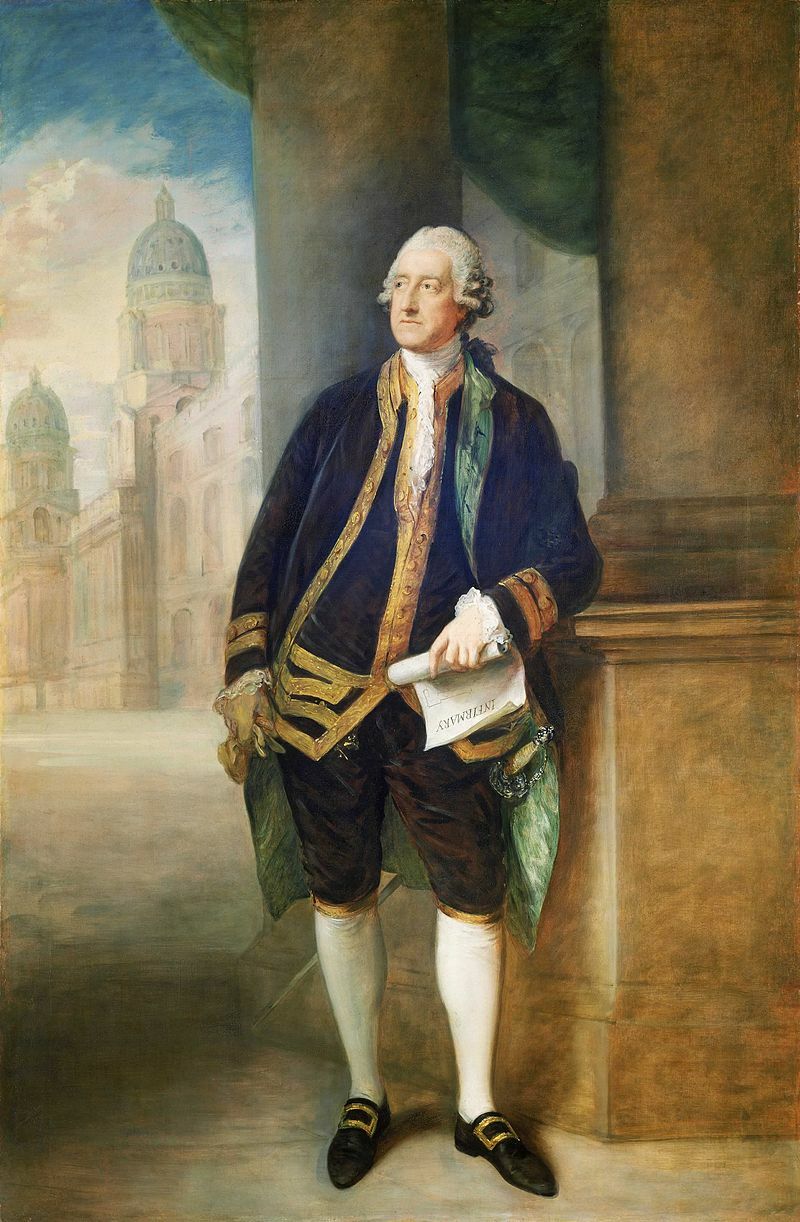
The sandwich is named after John Montagu, the 4th Earl of Sandwich. He was a prominent figure in the 18th century and was known for his love of gambling.
According to legend, the Earl of Sandwich would order his servants to bring him meat between two slices of bread so that he could continue playing cards without getting his hands dirty. This is believed to be the origin of the modern-day sandwich.
The History of Bread
Bread has been a staple food item for thousands of years. The ancient Egyptians were the first to develop bread as we know it today. They used a mixture of flour and water, which they allowed to rise before baking.
Over time, bread-making techniques improved, and different types of bread were developed. In the 16th century, the sandwich was made with slices of stale bread. It wasn't until the 18th century that the sandwich was made with fresh bread, which is what we use today.
The Evolution of the Sandwich

The sandwich has evolved over time and has become a popular food item around the world. There are now countless variations of the sandwich, with different fillings and bread types.
In the United States, the peanut butter and jelly sandwich is a classic favorite. In France, the croque-monsieur is a popular sandwich made with ham and cheese. In Vietnam, the banh mi is a sandwich made with pickled vegetables and meat.
Conclusion
The sandwich has come a long way since its invention by the Earl of Sandwich. It has become a staple food item around the world and is enjoyed by people of all ages. Whether you prefer a classic ham and cheese sandwich or something more exotic, there's a sandwich out there for everyone.
Related video ofWho Invented The Sandwich?
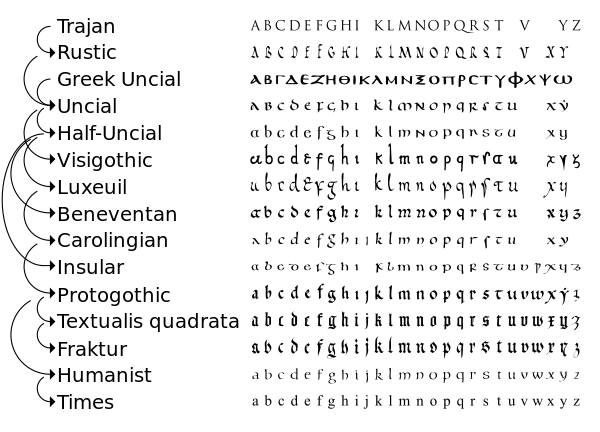
The modern alphabet that we use today has evolved over a long period of time. The alphabet is a system of writing that is used to represent a language. It consists of a set of letters or symbols that are used to represent the sounds of the language. The modern alphabet that we use today is known as the Latin alphabet. It is the most widely used alphabet in the world today. In this article, we will discuss who invented the modern alphabet and how it evolved over time.
The Origin of Writing

The history of writing can be traced back to ancient civilizations such as the Sumerians, Egyptians, and Chinese. These civilizations developed their own writing systems that consisted of pictographs and hieroglyphs. These systems were used to record important events and to keep records of trade and commerce.
The Phoenician Alphabet
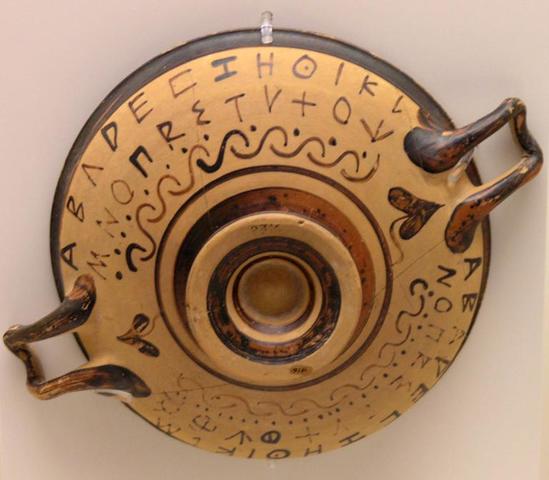
The modern alphabet that we use today is based on the Phoenician alphabet. The Phoenician alphabet was developed by the Phoenicians, who were a seafaring people from the eastern Mediterranean. The Phoenician alphabet consisted of 22 letters and was used for trade and commerce.
The Greek Alphabet

The Greek alphabet was developed from the Phoenician alphabet. The Greeks added vowels to the Phoenician alphabet and developed a new writing system that was used to record their language. The Greek alphabet consisted of 24 letters and was used to write important documents such as literature, philosophy, and science.
The Latin Alphabet
The Latin alphabet was developed from the Greek alphabet. The Romans adopted the Greek alphabet and made some modifications to it. They added new letters and changed the pronunciation of some of the existing letters. The Latin alphabet consisted of 23 letters and was used to write important documents such as law, religion, and literature.
The Evolution of the Modern Alphabet

The modern alphabet that we use today is based on the Latin alphabet. It consists of 26 letters and is used to represent the sounds of the English language. The modern alphabet has evolved over time and has been influenced by other writing systems such as the Cyrillic alphabet and the Arabic alphabet.
Conclusion
In conclusion, the modern alphabet that we use today is based on the Phoenician alphabet. It has evolved over time and has been influenced by other writing systems. The modern alphabet is the most widely used alphabet in the world today and is used to represent many different languages. It is a testament to the human ability to communicate and to record important information.
Related video of Who Invented The Modern Alphabet
Football is one of the most popular sports in the world, loved by millions of people. The football ball is the most important equipment used in this game. But do you know who invented the football ball?
The Origin of Football
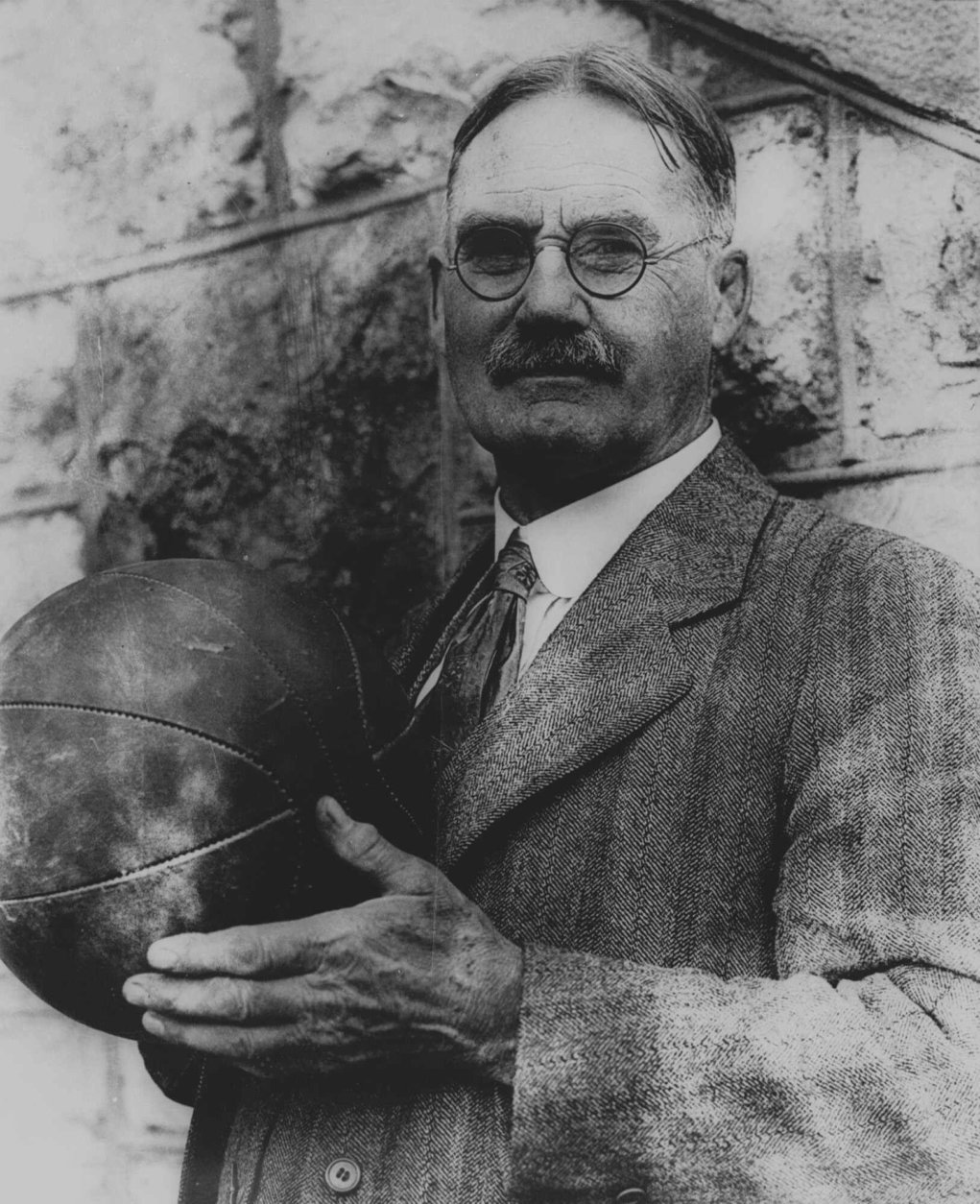
The game of football has a long history dating back to ancient civilizations. The Chinese played a game similar to football called Cuju more than 2,000 years ago. The Greeks and Romans also played a game similar to football called Harpastum.
In the Middle Ages, a game called “mob football” became popular in Europe. This game was played on streets and involved two teams trying to get a ball from one end of the town to the other. It was a violent game with very few rules.
The First Football Ball

The first football balls were made of animal bladders. The bladder was inflated and covered with leather or cloth. These balls were not very durable, and they often burst during games.
In the early 1800s, a leather-covered ball with an inflated rubber bladder was developed. The ball was more durable and easier to control, and it quickly became the standard ball used in football.
Who Invented The First Football Ball?
:max_bytes(150000):strip_icc()/who-invented-soccer-3556873_Final1a1-cc34699f9864406591844ef083f54b00.PNG)
It is not known who invented the first football ball. The development of the football ball was a gradual process, with many people contributing to its design and development over time.
One of the earliest recorded football matches was played between two schools in England in 1843. The ball used in this game was a leather-covered ball with an inflated rubber bladder.
The Evolution of the Football Ball

The football ball has undergone many changes over the years. In the early days, the ball was made of animal bladders and covered with leather or cloth. In the 1800s, a leather-covered ball with an inflated rubber bladder became popular.
In the 1900s, new materials and designs were introduced. The leather ball was replaced with synthetic materials like PVC and PU. The design of the ball also changed, with a more streamlined shape and fewer panels.
The Modern Football Ball

The modern football ball is made of synthetic materials like PVC and PU. It has a more streamlined shape and fewer panels, making it easier to control and more aerodynamic.
The modern football ball is also designed to be more durable and resistant to wear and tear. It undergoes rigorous testing to ensure that it meets the standards set by FIFA, the governing body of football.
In Conclusion
The football ball has come a long way since the days of animal bladders and leather covers. It is now a high-tech piece of equipment designed to meet the demands of modern football. Although we may never know who invented the first football ball, we can appreciate the many people who have contributed to its development over the years.
Related video of Who Invented The Football Ball

The computer mouse is an essential part of our daily lives, whether we use it for work or leisure. It has become so ubiquitous that it's hard to imagine a time when it didn't exist. But who invented the computer mouse, and what year did it come into existence?
The Early Days of Computing
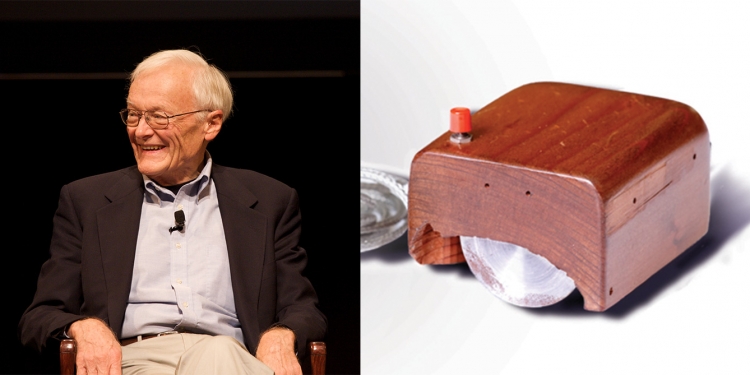
The history of the computer mouse goes back to the early days of computing. In the 1950s and 1960s, computers were large, room-sized machines that required programming through punched cards and paper tape. There were no screens, no keyboards, and certainly no mice.
The First Computer Mouse
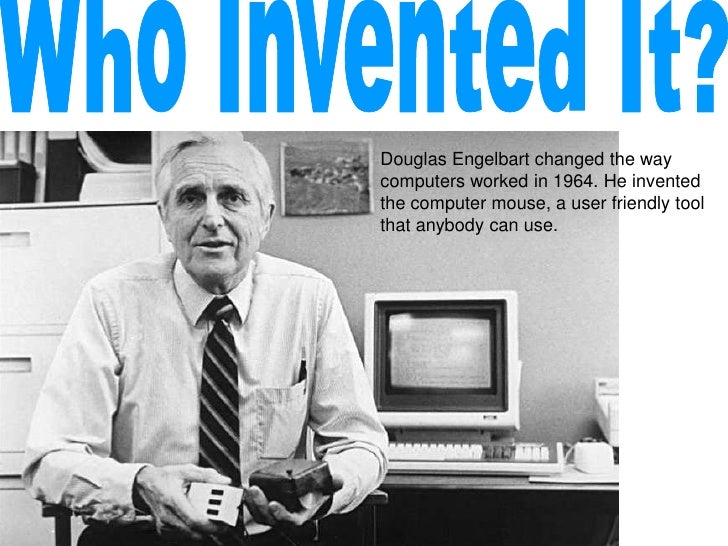
The first computer mouse was invented in 1963 by Douglas Engelbart at the Stanford Research Institute. Engelbart was a pioneering computer scientist who was working on the problem of how to make it easier for people to interact with computers.
The Invention of the Mouse
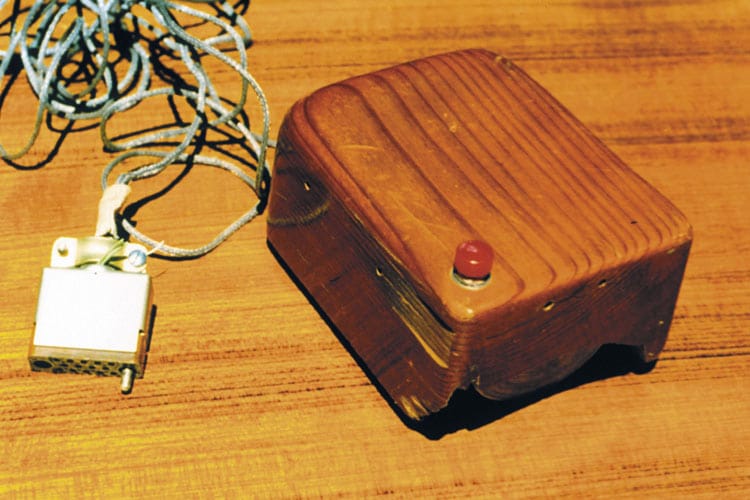
Engelbart's invention was a wooden block with two perpendicular wheels mounted on it. The wheels were connected to potentiometers that detected their rotation, and the block was attached to a cord that could be moved around on a desktop.
The First Public Demonstration
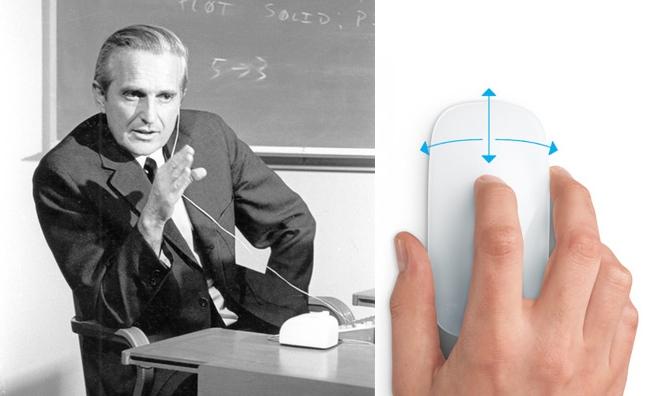
The first public demonstration of the computer mouse came in 1968 at the Fall Joint Computer Conference in San Francisco. Engelbart and his team demonstrated a range of new technologies, including the mouse, that would change the way we interact with computers.
The Impact of the Computer Mouse
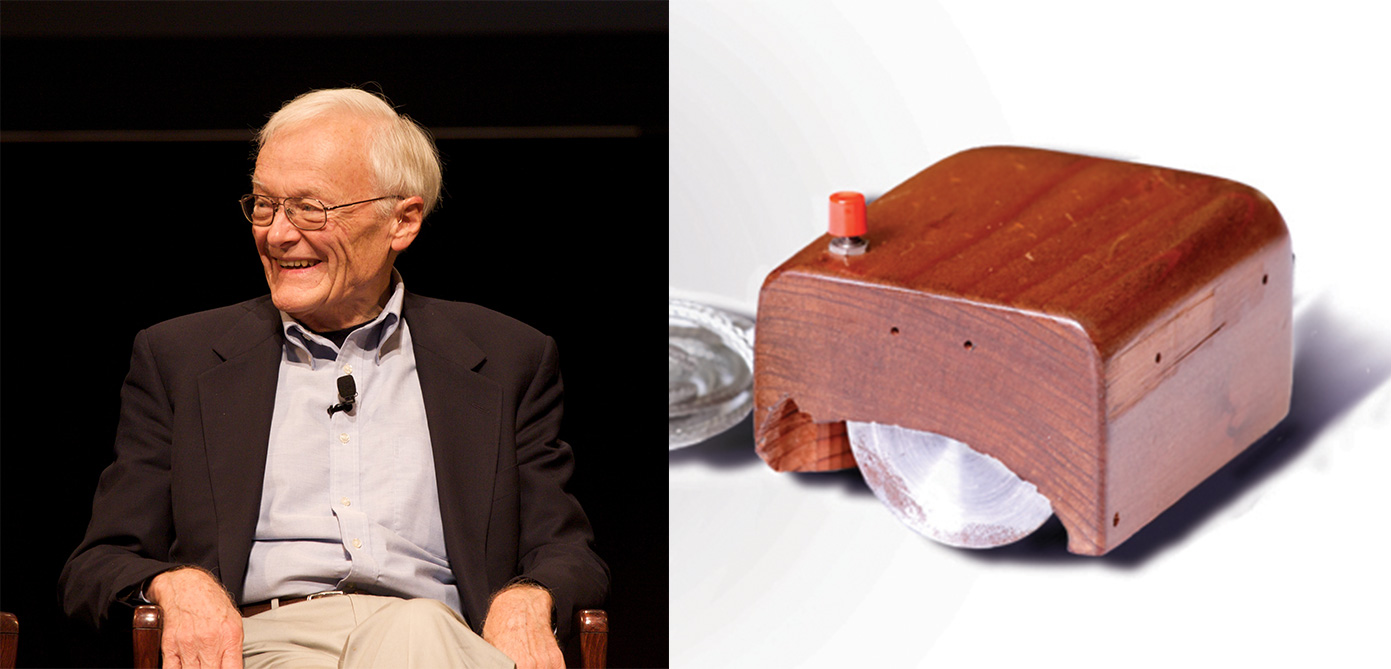
The computer mouse revolutionized the way we interact with computers. It made it much easier for people to navigate graphical user interfaces, and it paved the way for the development of the modern computer. Today, the mouse is still an essential part of our computing experience, even as touch screens and other technologies become more prevalent.
The Legacy of Douglas Engelbart

Douglas Engelbart's contributions to computing go far beyond the invention of the mouse. He also helped develop hypertext, networked computers, and video conferencing, among other technologies. His work laid the foundation for many of the technologies we use today.
In Conclusion
The computer mouse is an essential part of our computing experience, and it was invented by Douglas Engelbart in 1963. Engelbart's invention revolutionized the way we interact with computers and paved the way for the development of the modern computer. His legacy continues to influence the world of computing to this day.
Related video of Who Invented The Computer Mouse And What Year
The Early Years of Telecommunication
Telecommunication began in the early 1800s with the invention of the telegraph. This device allowed messages to be sent over long distances using a series of electrical pulses. Over the next century, other communication devices such as the telephone and radio were invented, but they were only useful for sending messages over short distances.
The Birth of the Cell Phone
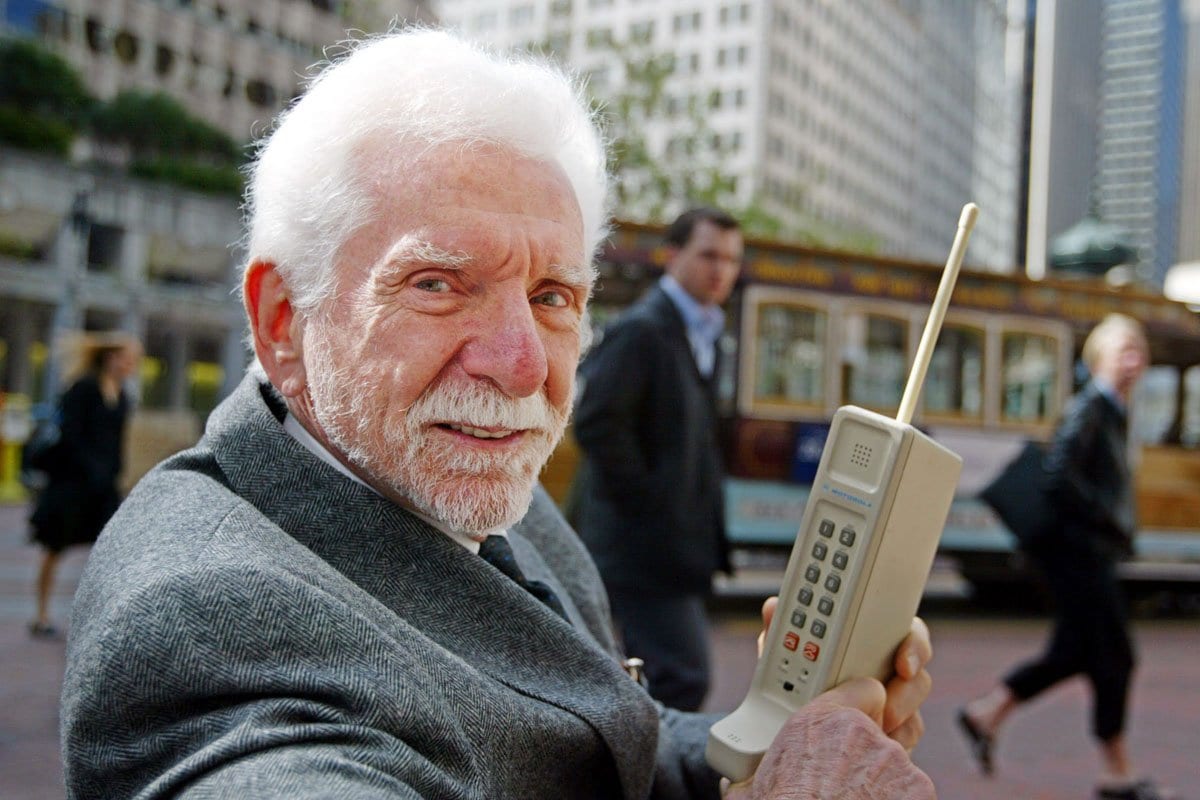
The first true cell phone was invented in 1973 by Dr. Martin Cooper, a researcher at Motorola. The device, known as the DynaTAC 8000X, was the size of a brick and weighed over two pounds. It had a talk time of only 35 minutes and cost $3,995.

The Evolution of the Cell Phone
Over the next few decades, cell phones became smaller and more affordable. They also became more advanced, with features such as text messaging, internet access, and GPS navigation. Today, cell phones are an essential part of modern life, and over 5 billion people around the world use them.
Other Contributors to Cell Phone Technology
While Dr. Martin Cooper is credited with inventing the first cell phone, he was not the only person involved in the development of this technology. Other notable contributors include:
- John F. Mitchell and Dr. Martin Cooper's team at Motorola
- Joel S. Engel and Richard H. Frenkiel at Bell Labs
- Amos Joel at Bell Labs
- Donald L. Bitzer, Gene A. Frantz, and Robert H. Willson at the University of Illinois at Urbana-Champaign
The Impact of Cell Phones on Society
Cell phones have had a profound impact on society. They have made it easier for people to stay connected with each other, and have revolutionized industries such as entertainment, transportation, and healthcare. However, they have also raised concerns about privacy, security, and the negative effects of constant connectivity.

The Future of Cell Phone Technology
The future of cell phone technology is exciting and unpredictable. Some experts predict that we will see the development of new features such as holographic displays and augmented reality. Others believe that cell phones will become obsolete as we shift to new forms of communication such as wearables and implantable devices.
Conclusion
While the invention of the cell phone can be attributed to Dr. Martin Cooper and his team at Motorola, it is important to recognize the contributions of other individuals and organizations in the development of this technology. Cell phones have had a profound impact on society, and their future is sure to be full of surprises.
Related video of Who Invented The Cell Phone
The Early Days of Balloons
Before we get to the question of who invented the balloon in 1783, let's take a look at the early history of balloons. The concept of a lighter-than-air craft has been around for centuries, with early ideas ranging from Chinese sky lanterns to Leonardo da Vinci's designs for flying machines. However, it wasn't until the late 18th century that the first successful hot air balloon flight took place.
The Montgolfier Brothers

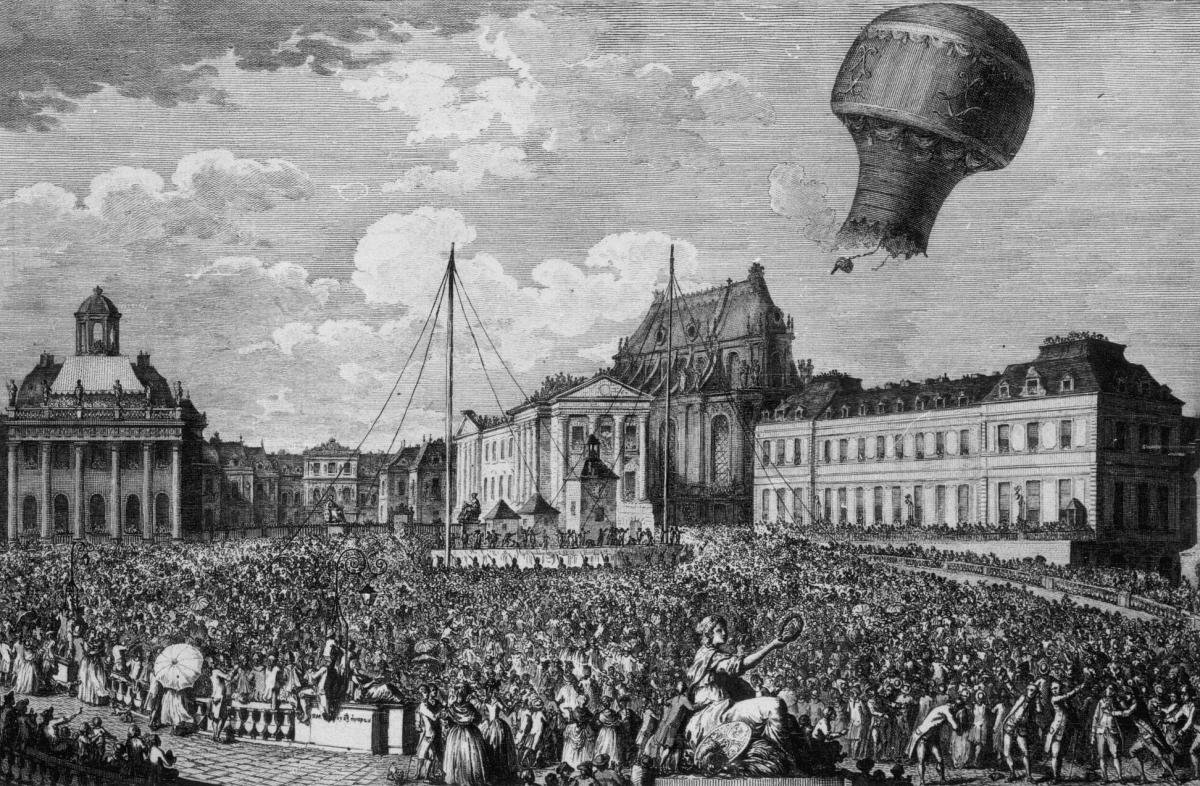
The first hot air balloon was invented by the Montgolfier brothers, Joseph and Etienne, in 1783. The brothers were paper manufacturers from France who became interested in the idea of flying after observing the rising of smoke from a fire. They believed that if they could trap the hot air from the smoke, they could use it to lift a balloon into the air.
The brothers began their experiments by sending small paper bags filled with hot air up into the sky. After several successful tests, they built a larger balloon made of linen and paper that was 35 feet in diameter. On November 21, 1783, the Montgolfier brothers launched their balloon in front of a crowd of thousands in the French town of Annonay. The balloon traveled almost two miles before landing safely.
The First Manned Balloon Flight

After the success of their unmanned flight, the Montgolfier brothers were eager to attempt a manned flight. They built a new balloon that was even larger than the first, and on November 21, 1783, they launched it with a sheep, a duck, and a rooster as passengers. The animals survived the flight, and the experiment was deemed a success.
Just a few days later, on November 26, 1783, the first manned hot air balloon flight took place. The balloon was piloted by Jean-Francois Pilatre de Rozier and Francois Laurent d'Arlandes, and it traveled five miles in just over 20 minutes.
The Legacy of Ballooning

Since the first successful hot air balloon flight in 1783, balloons have been used for a variety of purposes, including scientific research, military reconnaissance, and entertainment. Today, hot air balloons are a popular recreational activity, with thousands of people around the world taking to the skies each year to enjoy the thrill of ballooning.
So, while the question of who invented the balloon in 1783 may have a simple answer (the Montgolfier brothers), the legacy of ballooning is much more complex and fascinating.