
Getting engaged is one of the most exciting moments in a couple's life. It's a symbol of love and commitment, and the engagement ring is an important part of the process. But with so many traditions and customs, it can be hard to know which finger to put the engagement ring on. In this article, we'll explore the different options and help you make the right choice for you.
The Left Hand

The most common tradition is to wear the engagement ring on the left hand. This tradition dates back to ancient Egypt, where it was believed that the "vein of love" ran from the ring finger on the left hand straight to the heart. This tradition has continued in many cultures and is still the most popular choice today.
If you decide to go with the left hand, you'll want to put the engagement ring on the fourth finger, also known as the ring finger. This is the finger between the middle finger and the pinky. It's important to note that in some countries, such as Germany and Russia, the engagement ring is worn on the right hand.
The Right Hand

While the left hand is the most popular choice, some couples choose to wear the engagement ring on the right hand. This tradition is more common in Eastern European countries, where the right hand is seen as more dominant and powerful. It's also becoming more popular in Western countries as people look for new ways to break with tradition.
If you decide to go with the right hand, you'll want to put the engagement ring on the fourth finger, just like the left hand. It's important to note that in some cultures, such as India and Spain, the engagement ring is worn on the right hand as well.
The Middle Finger

Another option is to wear the engagement ring on the middle finger. This is less common than the left or right hand, but some people prefer it as it can make the ring stand out more. However, it's important to note that in some cultures, such as Greece and Colombia, the middle finger is reserved for mourning and wearing a ring on this finger is seen as bad luck.
The Index Finger

The index finger, also known as the pointer finger, is another option for wearing the engagement ring. This is less common than the other fingers, but some people prefer it as it can make the ring stand out and be more visible. It's important to note that in some cultures, such as Russia and Bulgaria, wearing a ring on the index finger is reserved for family crests or signet rings.
The Thumb

While it's not common, some people choose to wear the engagement ring on their thumb. This is a bold choice and not for everyone, but it can make a statement and be a unique way to wear the ring. However, it's important to note that in some cultures, such as Islamic countries, wearing a ring on the thumb is reserved for men only.
Conclusion
Choosing which finger to put the engagement ring on is a personal choice and there is no right or wrong answer. The most common tradition is to wear the ring on the left hand, but you can choose any finger that feels right for you. It's important to consider cultural traditions and customs when making your decision, but ultimately, the choice is yours.

Related video of Which Finger Do I Put Engagement Ring?

Introduction
When the sun appears to be above the horizon for a full 24 hours in a day, it is called the midnight sun. It is a natural phenomenon that occurs in the polar regions during summer solstice. One country that is known for experiencing the midnight sun is Norway.
Geography of Norway
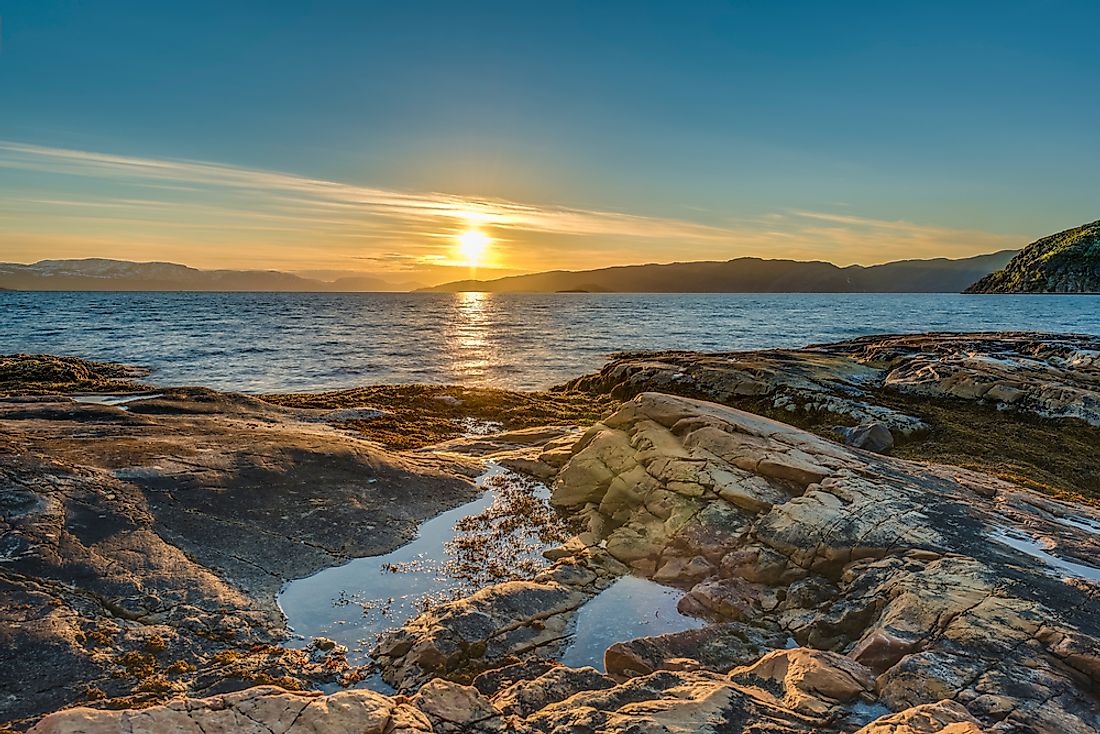
Norway is a Nordic country located in Northern Europe. It is known for its rugged coastline, fjords, mountains, and glaciers. The country shares its border with Sweden, Finland, and Russia. Norway is also known for its oil and gas production, and it has one of the highest standards of living in the world.
Location of Norway
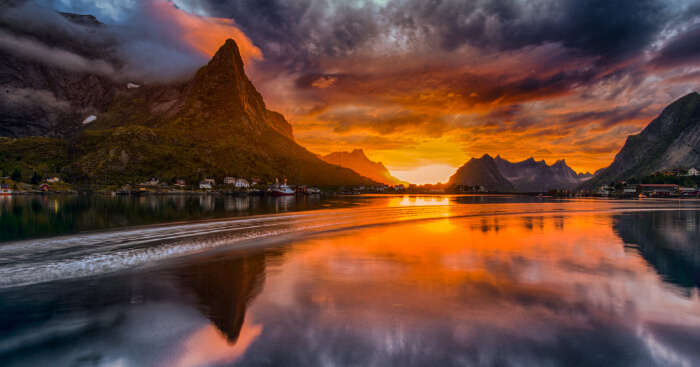
Norway is located in the northern part of Europe. It is situated in the western part of the Scandinavian Peninsula, and it extends from the North Sea to the Arctic Ocean. Norway also includes the Svalbard archipelago and Jan Mayen island, which are located in the Arctic Ocean.
The Midnight Sun in Norway
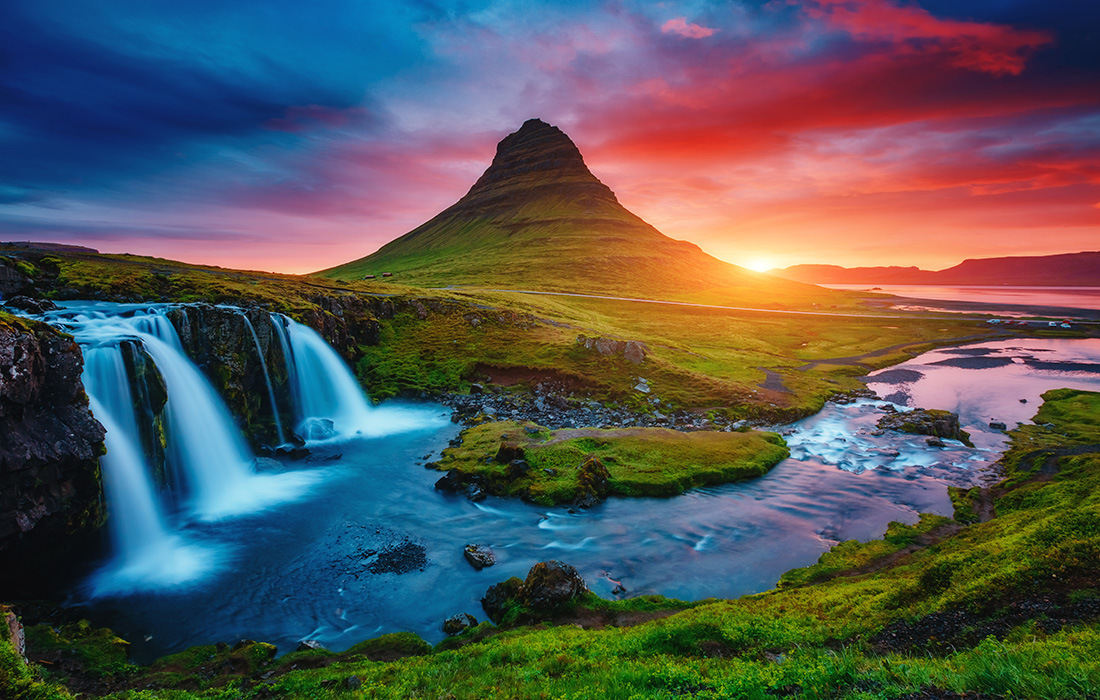
During the summer solstice, which is around June 21st, the sun never sets in Norway. This is because of the country's location in the Arctic Circle. The further north you go in Norway, the longer the period of the midnight sun. In the northernmost part of Norway, the sun remains above the horizon for over two months.
Places to Experience the Midnight Sun in Norway
There are many places in Norway where you can experience the midnight sun. Some of the popular places include the Lofoten Islands, Tromsø, North Cape, and the island of Spitsbergen. These places offer breathtaking views of the sun at midnight, and they are also popular tourist destinations.
Activities to Do During the Midnight Sun in Norway
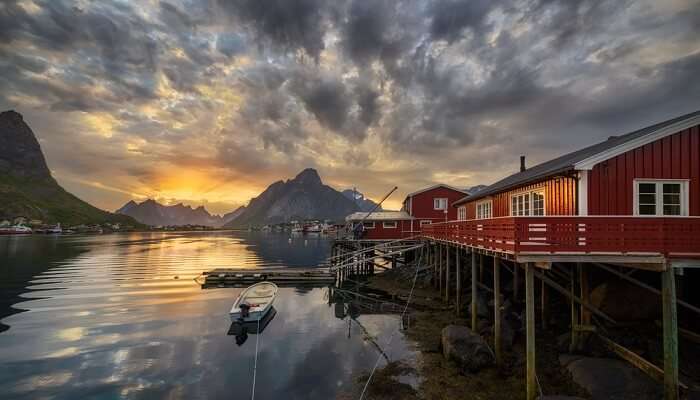
There are many activities that you can do during the midnight sun in Norway. One of the popular activities is hiking. Norway has many hiking trails that offer stunning views of the midnight sun. You can also go fishing, kayaking, or take a boat tour to experience the midnight sun.
The Importance of the Midnight Sun in Norway
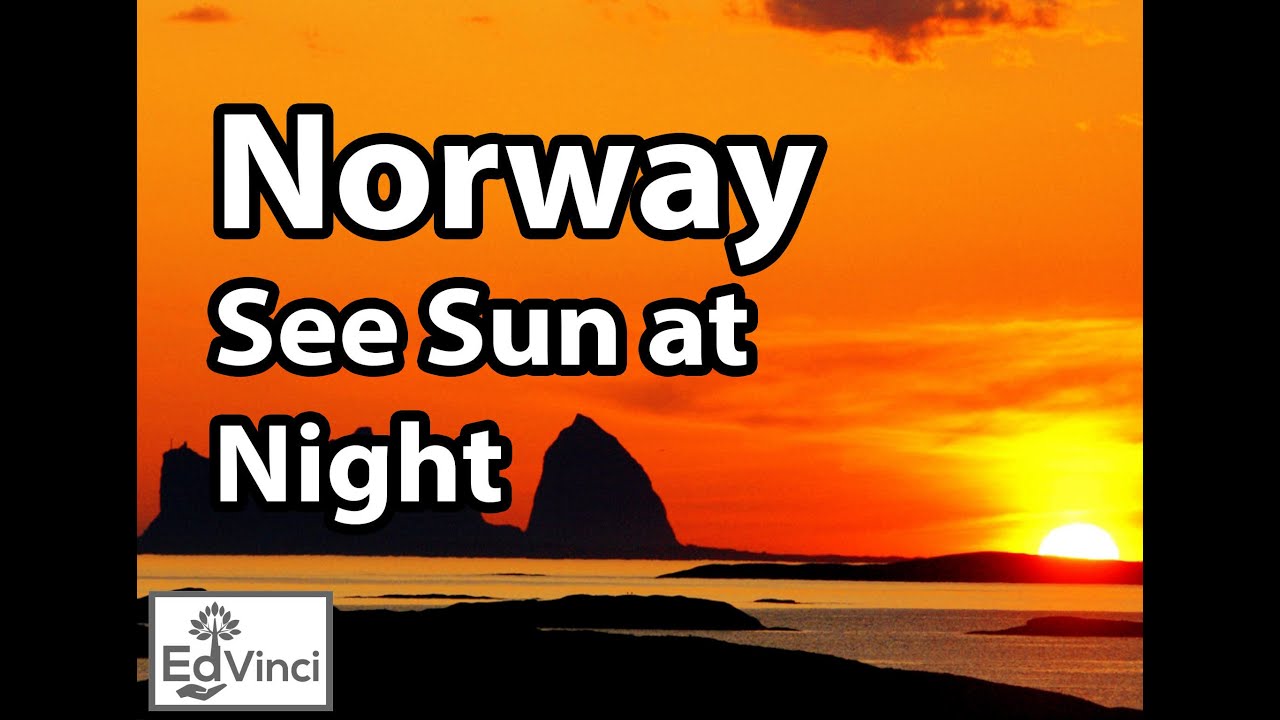
The midnight sun is an important part of Norwegian culture and history. It has been celebrated for centuries, and it is seen as a symbol of summer and life. The midnight sun also plays an important role in the country's economy, as it attracts many tourists to Norway every year.
Conclusion
Norway is known as the land of the midnight sun because of its location in the Arctic Circle. During the summer solstice, the sun never sets in Norway, and it remains above the horizon for over two months in the northernmost part of the country. The midnight sun is an important part of Norwegian culture and history, and it is also a popular tourist attraction.
Related video of Which Country Is Called The Land Of Midnight Sun
Introduction
Balloons are one of the oldest and most popular forms of transportation in the world. They are loved for their beauty, grace, and ability to soar through the skies. But have you ever wondered where balloons come from? Which country invented balloons?In this article, we will explore the history of balloons and discover which country can be credited with their invention.
The Early Days of Ballooning
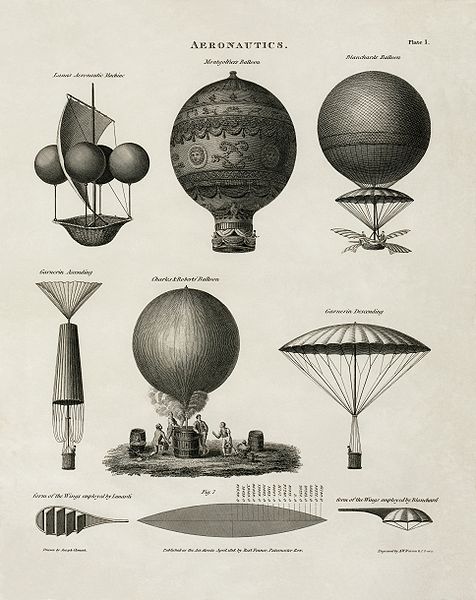
The origins of the balloon can be traced back to the early days of aviation. The first recorded balloon flight took place in France in 1783. The balloon was called the Montgolfier and it was the work of two French brothers, Joseph and Etienne Montgolfier.

The Montgolfier brothers were not scientists or engineers, but they were fascinated by the idea of flight. They experimented with different materials and designs until they finally came up with a hot air balloon that could carry a person.
The First Manned Balloon Flight
The first manned balloon flight took place on November 21, 1783. The balloon was piloted by Jean-Francois Pilatre de Rozier and Francois Laurent d'Arlandes. They flew for about 5 miles over Paris, reaching an altitude of about 500 feet.

The Balloon Craze
The success of the first manned balloon flight sparked a craze for balloons that swept across Europe. People were amazed by the idea of being able to fly and they flocked to see the balloons in action.

Ballooning became a popular form of entertainment and many people began to experiment with different designs and materials. Some even attempted to cross the English Channel in balloons, although these attempts were not always successful.
Ballooning Today
Today, balloons are still a popular form of transportation and entertainment. They are used for everything from sightseeing to scientific research, and they continue to capture the imagination of people all over the world.

Conclusion
So, which country invented the balloon? The answer is France, thanks to the pioneering work of the Montgolfier brothers. Their hot air balloon design paved the way for the development of modern balloons and the growth of the ballooning industry.
Today, balloons continue to inspire awe and wonder, and they remain an important part of our history and culture.
Related video of Which Country Invented Balloon?
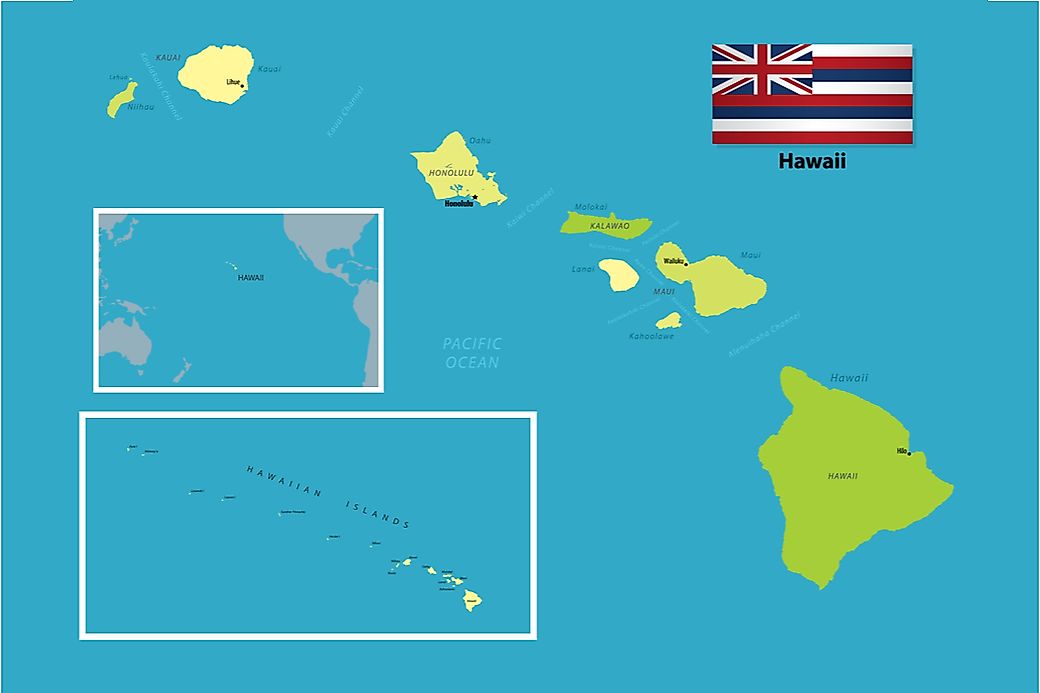
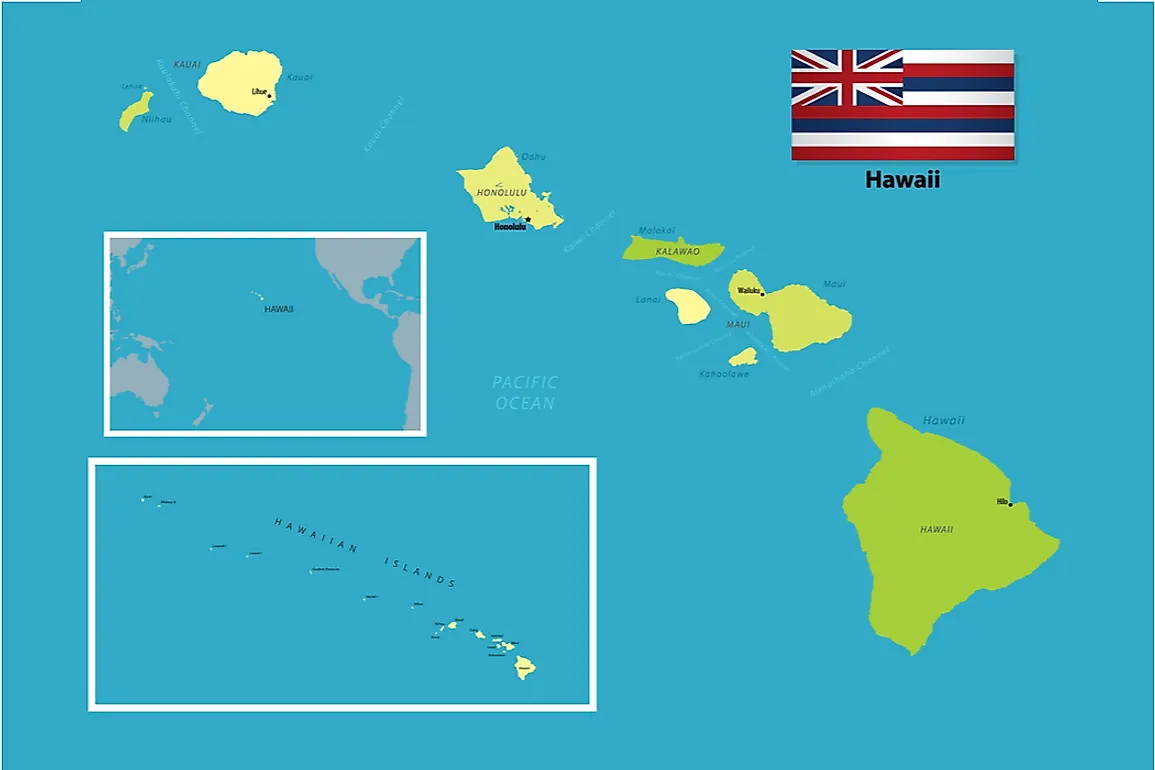
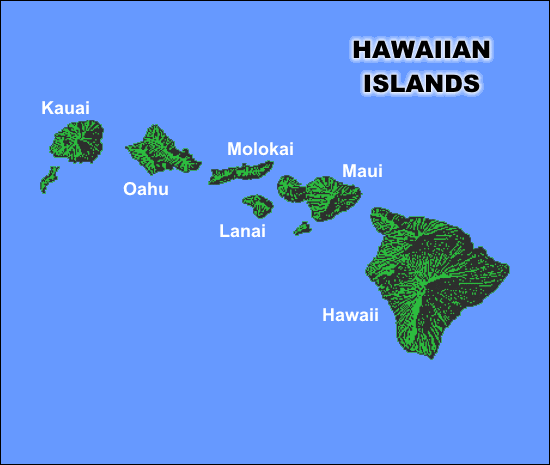
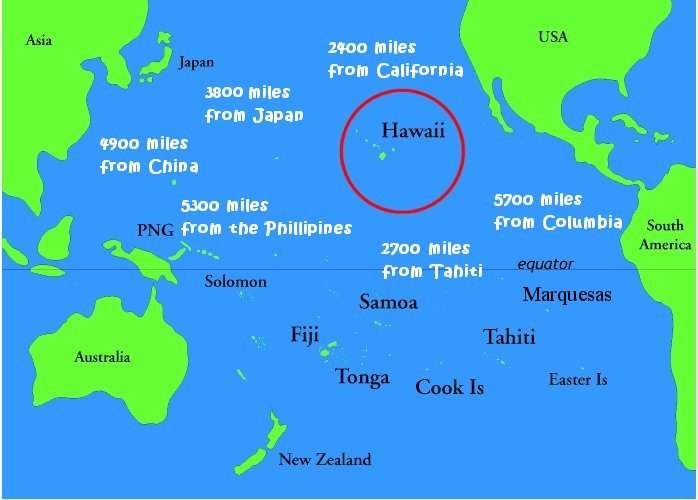
Hawaii is a state of the United States located in the Pacific Ocean. It is an archipelago made up of eight main islands, including Hawaii, Maui, Oahu, Kauai, Molokai, Lanai, Niihau, and Kahoolawe. Many people wonder which continent Hawaii is in, and the answer is that it is not part of any continent.
The Location of Hawaii
Hawaii is located in the central Pacific Ocean, about 2,400 miles from the mainland of the United States. It is closer to Asia than it is to North America. The state of Hawaii is made up of 137 islands, reefs, and shoals, but only eight of them are considered major islands.
Why Hawaii is Not Part of Any Continent
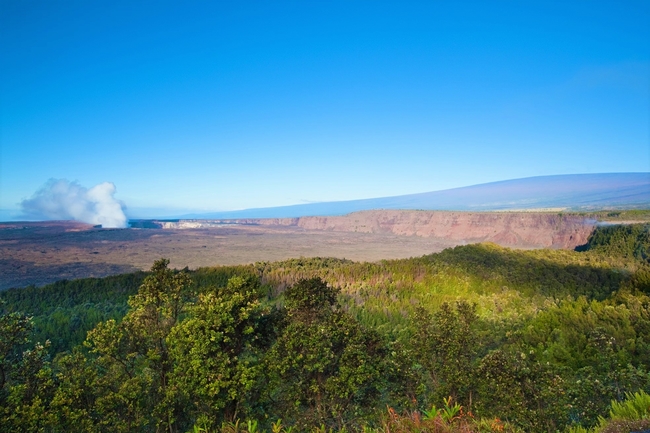
Hawaii was formed by volcanic activity millions of years ago, and continues to be shaped by this activity today. The islands were not created by any tectonic plate movement or continental drift, which is why Hawaii is not part of any continent. Instead, the islands were formed by a hotspot, which is a plume of molten rock that rises up from deep within the Earth's mantle.
The Culture of Hawaii
Hawaii has a unique culture that is a blend of its Polynesian roots and the influences of the many immigrants who have come to the islands over the years. The Hawaiian language is still spoken by many people, and hula dancing, ukulele playing, and lei making are all important parts of Hawaiian culture.
The Economy of Hawaii
Hawaii's economy is heavily dependent on tourism, which is the state's largest industry. Many people come to Hawaii to enjoy the beautiful beaches, warm weather, and unique culture. Agriculture is also an important industry in Hawaii, with sugar, pineapple, and macadamia nuts being some of the state's major crops.
The Climate of Hawaii

Hawaii has a tropical climate, which means that it is warm and humid throughout the year. The temperature rarely drops below 70 degrees Fahrenheit, and there is a lot of rainfall, especially on the windward sides of the islands. The trade winds, which blow from the northeast, help to keep the islands cool and comfortable.
The Wildlife of Hawaii

Hawaii is home to a wide variety of wildlife, much of which is found nowhere else in the world. The islands have many unique bird species, including the Hawaiian goose, the Hawaiian hawk, and the Hawaiian honeycreeper. The waters around the islands are also home to many species of fish, sea turtles, and dolphins.
The History of Hawaii
Hawaii has a rich history that dates back thousands of years. The first Polynesians arrived on the islands around 1,500 years ago, and developed a unique culture that was based on fishing, farming, and trade. In 1778, Captain James Cook became the first European to visit the islands, and Hawaii eventually became a territory of the United States in 1898.
The People of Hawaii

Hawaii has a diverse population that includes people of many different ethnicities. The native Hawaiians make up only a small percentage of the population, with most people being of Asian or European descent. The people of Hawaii are known for their friendly and welcoming nature, and for their love of the outdoors and the ocean.
The Attractions of Hawaii

Hawaii is home to many attractions that draw visitors from all over the world. Some of the most popular include the beaches, the volcanoes, the national parks, and the historic sites. Visitors can also enjoy many outdoor activities, such as surfing, hiking, and snorkeling.
The Food of Hawaii

Hawaiian cuisine is a blend of many different influences, including Polynesian, Asian, and European. Some of the most popular dishes include poke, spam musubi, and loco moco. The food in Hawaii is known for being fresh, flavorful, and unique.
The Language of Hawaii

The Hawaiian language is still spoken by many people in Hawaii, and is an important part of the state's culture. The language has only 13 letters, and is known for its musical quality. Visitors to Hawaii can learn some basic Hawaiian phrases, such as aloha (hello), mahalo (thank you), and ohana (family).
The Music of Hawaii

The music of Hawaii is known for its unique sound, which is created using instruments such as the ukulele, the steel guitar, and the slack-key guitar. Hawaiian music often tells stories about the islands, and is an important part of the state's culture.
The Sports of Hawaii

Hawaii is known for its love of sports, especially those that are played in the ocean. Surfing, paddleboarding, and outrigger canoeing are all popular water sports, while hiking and biking are popular on land. Hawaii is also home to the Ironman World Championship, which is one of the most challenging triathlons in the world.
The Festivals of Hawaii

Hawaii is home to many festivals and celebrations throughout the year. Some of the most popular include the Merrie Monarch Festival, which celebrates Hawaiian culture and hula dancing, and the Honolulu Festival, which features music, dance, and food from around the Pacific Rim.
The Religion of Hawaii

The traditional religion of Hawaii is known as Hawaiian mythology, which is based on a system of gods and goddesses. The arrival of Christian missionaries in the 19th century led to the spread of Christianity, and today many people in Hawaii are Christian or Buddhist.
The Education System of Hawaii

Hawaii has a public education system that includes elementary, middle, and high schools, as well as colleges and universities. The University of Hawaii is the state's largest institution of higher learning, and offers many different programs of study.
The Healthcare System of Hawaii

Hawaii has a healthcare system that is similar to that of the rest of the United States. The state has many hospitals, clinics, and healthcare providers, and residents are required to have health insurance. Hawaii is known for its high quality of healthcare, and for its emphasis on preventive care.
The Transportation System of Hawaii
Hawaii has a transportation system that includes highways, airports, and public transit. The state has many scenic drives, such as the Road to Hana on Maui, and visitors can also take inter-island flights to explore the different islands. Public transit is available in Honolulu, and includes buses and a light rail system that is currently under construction.
The Future of Hawaii
Hawaii faces many challenges in the future, including climate change, overdevelopment, and economic inequality. However, the state is also known for its spirit of aloha, which emphasizes love, peace, and harmony. With this spirit, Hawaii is sure to continue to thrive and prosper in the years to come.
Related video of Which Continent Is Hawaii In

Introduction
Many people believe that bears eat only meat or fish, but that is not entirely true. Some species of bears are known to eat plants, including eucalyptus leaves. In this article, we will discuss which bear eats eucalyptus leaves and why.
Koala Bears

The most famous bear that eats eucalyptus leaves is the koala bear. Koalas are native to Australia and are known for their love of eucalyptus leaves. In fact, they eat almost exclusively eucalyptus leaves, which make up about 90% of their diet.
Why Do Koalas Eat Eucalyptus Leaves?
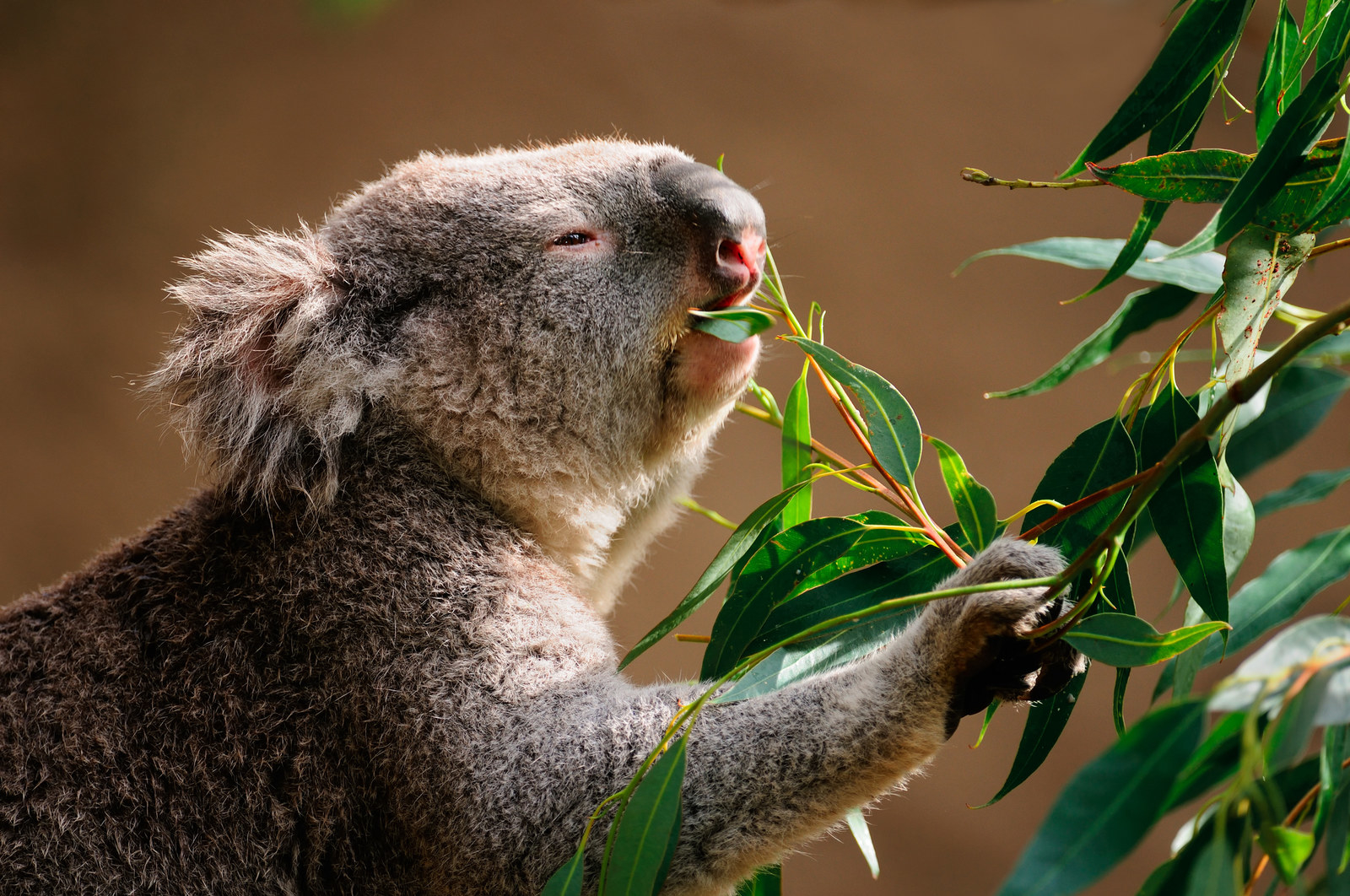
Koalas eat eucalyptus leaves because they provide all the nutrients and water they need. Eucalyptus leaves are high in fiber and low in protein, which is ideal for a herbivorous animal like the koala. Eucalyptus leaves also contain a lot of water, which is important for koalas as they live in a dry climate.
Other Bears That Eat Eucalyptus Leaves
:max_bytes(150000):strip_icc()/koala-eating-leaves-02-53888811526544f4b0246c790e69edc6.jpg)
While koalas are the most well-known bears that eat eucalyptus leaves, they are not the only ones. Sloth bears, which are native to India and Sri Lanka, are also known to eat eucalyptus leaves. However, they do not eat them exclusively like koalas do.
Why Do Sloth Bears Eat Eucalyptus Leaves?

Sloth bears eat eucalyptus leaves because they are a good source of nutrition during the dry season when other food sources are scarce. Eucalyptus leaves are also known to have medicinal properties and can help sloth bears with digestion.
Conclusion
In conclusion, koalas and sloth bears are the two bear species that are known to eat eucalyptus leaves. Koalas eat them almost exclusively, while sloth bears use them as a supplement to their diet during the dry season. Eucalyptus leaves provide these bears with the nutrients and water they need to survive in their respective habitats.
Related video of Which Bear Eats Eucalyptus Leaves
When we talk about the ozone layer, we refer to a layer of gas high up in the Earth's atmosphere that protects us from the sun's harmful ultraviolet (UV) radiation. Ozone depletion is a serious environmental issue that is caused by the release of certain chemicals into the air. Aerosols are one of the major culprits behind the depletion of the ozone layer.

What are Aerosols?
Aerosols are tiny particles or droplets that float in the air. They can be naturally occurring or human-made. Natural aerosols include dust, pollen, and sea salt. Human-made aerosols are created by various industrial activities, such as burning fossil fuels, manufacturing processes, and transportation.
How do Aerosols Deplete Ozone?
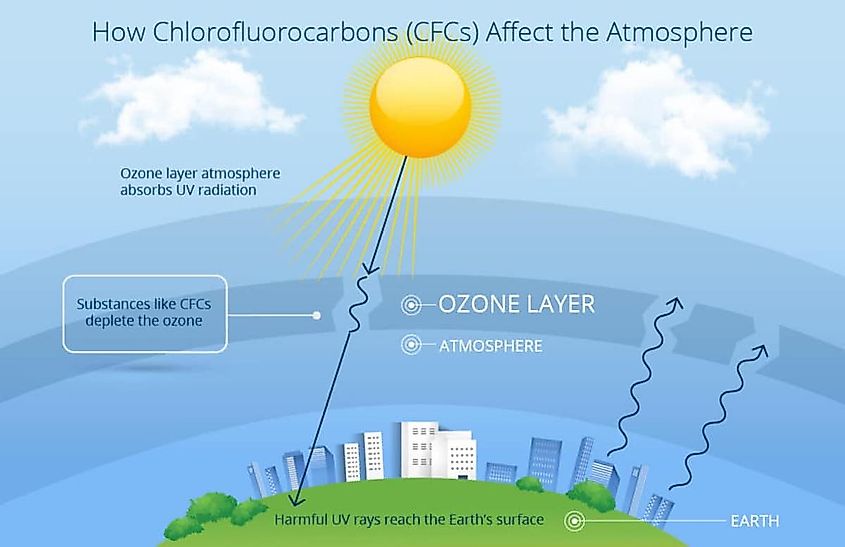
Aerosols contain certain chemicals that can react with the ozone layer, causing it to break down. The most common chemicals found in aerosols that deplete ozone are chlorofluorocarbons (CFCs) and hydrochlorofluorocarbons (HCFCs). These chemicals are used in various products, such as refrigerants, air conditioners, and aerosol sprays.

When CFCs and HCFCs are released into the atmosphere, they rise up to the ozone layer. There, they react with the ozone molecules and break them apart. This process creates a hole in the ozone layer, which allows more UV radiation to reach the Earth's surface.
What are the Effects of Ozone Depletion?
Ozone depletion has serious consequences for human health and the environment. Increased exposure to UV radiation can lead to skin cancer, cataracts, and immune system suppression. It can also harm crops and marine life, disrupt ecosystems, and contribute to climate change.
Which Aerosols are the Biggest Contributors to Ozone Depletion?
The biggest contributors to ozone depletion are aerosols that contain CFCs and HCFCs. These chemicals are no longer used in most developed countries due to international agreements such as the Montreal Protocol, but they are still used in some developing countries.
Other aerosols that can contribute to ozone depletion include methyl bromide, halons, and carbon tetrachloride. These chemicals are also controlled by international agreements, but they are still used in some industrial applications.
What Can We Do to Reduce Ozone Depletion?
The best way to reduce ozone depletion is to reduce our use of products that contain CFCs, HCFCs, and other ozone-depleting chemicals. This includes avoiding aerosol sprays, using energy-efficient appliances, and recycling old refrigerators and air conditioners. We can also support international agreements that regulate the use of ozone-depleting chemicals and encourage developing countries to phase out their use.

Conclusion
Aerosols are a major contributor to the depletion of the ozone layer. Chemicals found in aerosols such as CFCs and HCFCs react with the ozone layer, causing it to break down and create a hole. This hole allows more UV radiation to reach the Earth's surface, which has serious consequences for human health and the environment. We can reduce ozone depletion by reducing our use of ozone-depleting chemicals and supporting international agreements that regulate their use.
Related video of Which Aerosols Deplete Ozone

Introduction
If you're a fan of the Where's Waldo books, you know how frustrating it can be to search for the elusive character on each page. Sometimes it feels like he's impossible to find! Luckily, the answers to the first book in the series are readily available for those who just can't seem to spot Waldo.Where's Waldo?
The premise of the Where's Waldo books is simple: Waldo is hidden somewhere on each page, and it's up to the reader to find him. But with so much going on in each illustration, it can be a real challenge. In the first book, readers are introduced to Waldo and his cast of quirky friends and foes.
The Answers
For those who just can't seem to spot Waldo, the answers to the first book are readily available online or in the back of the book itself. Each page is accompanied by a list of items to find, including Waldo himself. The answers provide a helpful guide for those who might be struggling to locate the elusive character.
Other Tips
While the answers can be helpful, some readers prefer to hunt for Waldo on their own. If you're struggling to find him, there are a few tips that might make it a bit easier. First, focus on one section of the page at a time. Waldo is often cleverly hidden in plain sight, so it's important to really scrutinize each part of the illustration.