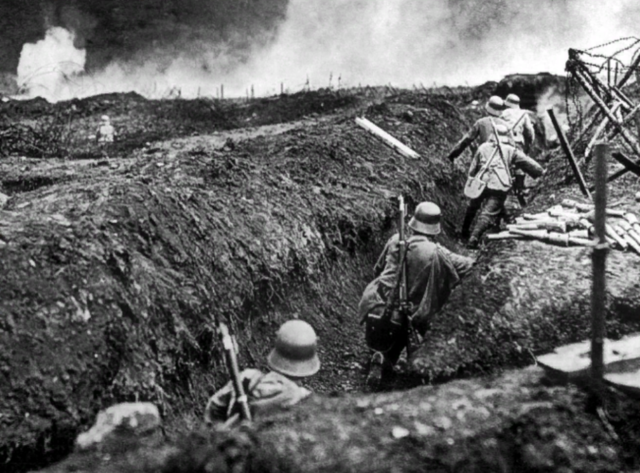
World War 1, also known as the Great War, was a global conflict that lasted from 1914 to 1918. It involved more than 70 million military personnel, including soldiers from many different countries. But what was the spark that started this devastating war?
The Assassination of Archduke Franz Ferdinand

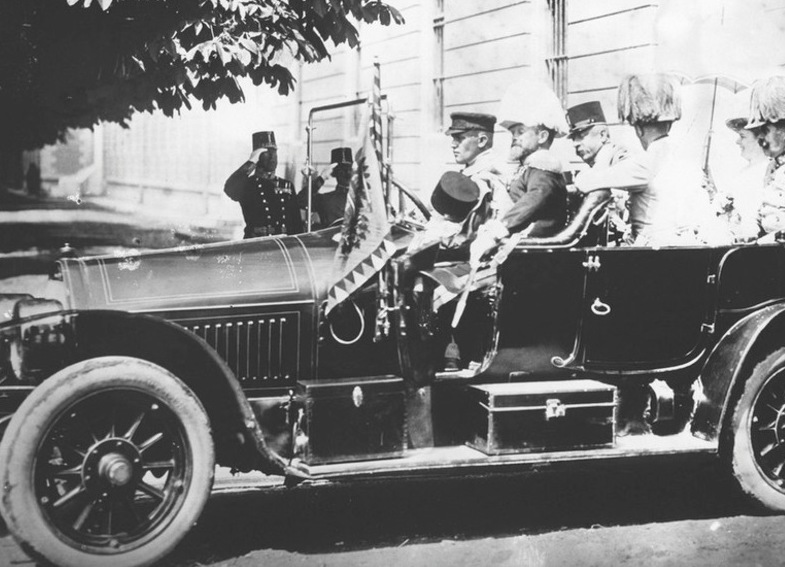
The spark that ignited World War 1 was the assassination of Archduke Franz Ferdinand of Austria-Hungary. On June 28, 1914, the Archduke and his wife were assassinated in Sarajevo, Bosnia, by a Serbian nationalist named Gavrilo Princip.
The assassination was a major event that led to a series of events that ultimately resulted in the outbreak of war. Austria-Hungary blamed Serbia for the assassination and declared war on Serbia. This triggered a chain reaction of alliances and declarations of war between various European powers.
The Alliance System

The alliance system was another major factor that contributed to the outbreak of World War 1. In the years leading up to the war, many European powers had formed alliances with each other for protection and security.
When Austria-Hungary declared war on Serbia, Russia mobilized its forces to defend Serbia. This led to Germany declaring war on Russia and France, which had an alliance with Russia. Britain, which had an alliance with France, also declared war on Germany.
Militarism and Arms Race

Militarism and the arms race were also major factors that contributed to the outbreak of World War 1. Many European powers had been building up their military forces and weapons in the years leading up to the war.
These military buildups created tension and suspicion between the various powers. The arms race also created a sense of competition and rivalry between the powers, which only added to the tensions.
Imperialism and Nationalism
Imperialism and nationalism were two other factors that contributed to the outbreak of World War 1. Many European powers had been competing for colonies and territories around the world, which created tension and rivalries between them.
Nationalism also played a role, as many people in Europe had strong feelings of loyalty to their own countries and were willing to fight for them. This sense of nationalism and patriotism only fueled the tensions and rivalries between the various powers.
The Schlieffen Plan
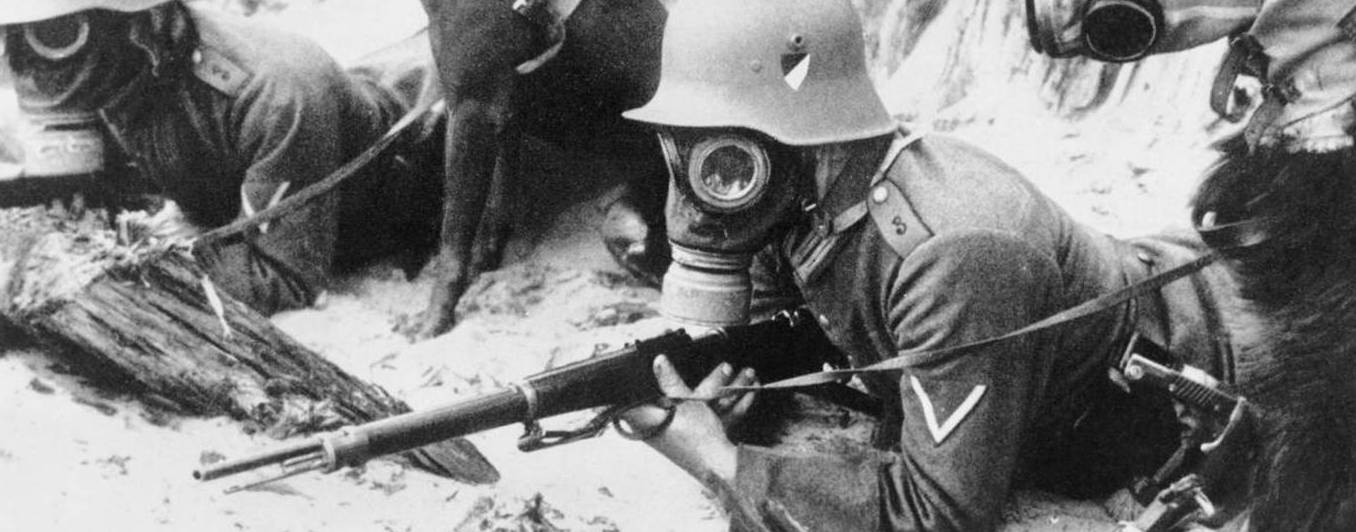
The Schlieffen Plan was a military strategy developed by Germany in the years leading up to World War 1. It was designed to allow Germany to quickly defeat France and then turn its attention to Russia.
The plan involved a massive invasion of France through Belgium, which ultimately led to Britain declaring war on Germany. The Schlieffen Plan was a major factor that contributed to the outbreak of World War 1, as it created tension and suspicion between Germany and the other European powers.
Conclusion
The spark that started World War 1 was the assassination of Archduke Franz Ferdinand of Austria-Hungary. However, there were many other factors that contributed to the outbreak of war, including the alliance system, militarism and the arms race, imperialism and nationalism, and the Schlieffen Plan.
The war had a devastating impact on the world, with millions of lives lost and many countries left in ruins. It serves as a reminder of the dangers of nationalism, militarism, and the pursuit of power and territory at the expense of peace and cooperation.