
Introduction
Matches are a common household item that we use almost every day. From lighting candles to starting a fire, matches have become an essential part of our daily lives. But have you ever wondered when matches were invented? Who invented them? And how did they become so popular? In this article, we’ll explore the fascinating history of matches.
Early Methods of Creating Fire

Long before matches were invented, people had to rely on other methods to create fire. The earliest methods of creating fire involved using friction between two pieces of wood or stone. This process was time-consuming and required a lot of effort.
Later, people discovered that they could create fire by striking a piece of flint against steel. This method was faster and more efficient than rubbing two pieces of wood together, but it still required skill and practice.
The Invention of Matches
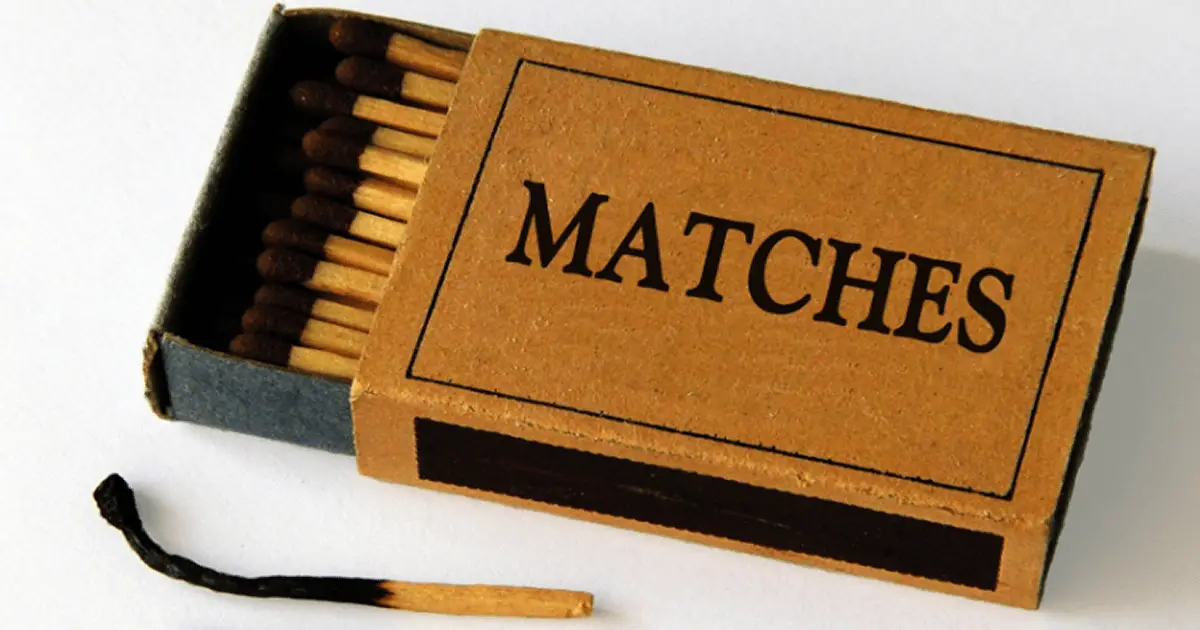
The modern match as we know it today was invented in 1826 by a British chemist named John Walker. Walker was attempting to create a new way to start fires for his chemistry experiments when he accidentally discovered the match.
Walker had coated a stick with a mixture of potassium chlorate, antimony sulfide, and gum, and when he accidentally scraped the stick across the floor, it ignited into flame.
The Popularity of Matches

After Walker’s discovery, matches quickly became popular. They were easier to use than flint and steel, and they could be produced in large quantities. By the 1830s, match factories had sprung up all over Europe and North America, producing millions of matches every day.
However, the early matches were not without their problems. They were made with toxic chemicals that could be dangerous to the people who made them and the people who used them. In addition, they were prone to spontaneous combustion and could cause fires if not handled carefully.
Improvements in Match Technology

Over time, improvements were made to the design of matches to make them safer and more reliable. In 1844, Swedish chemist Gustaf Erik Pasch invented the safety match, which could only be lit by striking it against a special surface.
In the late 19th century, matchboxes were invented, which made it easier to carry matches around and keep them dry. And in the 20th century, the use of more environmentally friendly materials in match production became widespread.
The Legacy of Matches

Today, matches are still widely used, although they have been largely replaced by lighters and other devices. They have become an important part of our cultural history and have even been used as an artistic medium in matchstick art.
So the next time you light a match, take a moment to appreciate the fascinating history behind this humble household item.
Conclusion
In conclusion, matches were invented in 1826 by a British chemist named John Walker. They quickly became popular and were produced in large quantities by factories all over the world. Over time, improvements were made to make matches safer and more reliable. Today, matches are still widely used and have become an important part of our cultural history.
Related video of When Were Matches Invented

Chocolate chip cookies are one of the most popular cookies in the world. They are loved by many, and it is hard to resist their delicious taste. But have you ever wondered when these cookies were invented? Well, in this article, we will take a closer look at the history of chocolate chip cookies.
The Invention of Chocolate Chip Cookies

Chocolate chip cookies were invented by Ruth Graves Wakefield in 1938. Ruth was the owner of the Toll House Inn, located in Whitman, Massachusetts. She was experimenting with a new recipe for butter drop do cookies when she ran out of baker's chocolate.
Instead of using baker's chocolate, Ruth broke up a Nestle chocolate bar and added it to her cookie dough. She expected the chocolate to melt and spread throughout the dough, but it didn't. The chocolate only softened, creating a new and delicious cookie.

Ruth called her new creation "Toll House Crunch Cookies" and they quickly became popular among her customers. Nestle even noticed the popularity of Ruth's cookies and included her recipe on the back of their chocolate bars.
The Rise in Popularity

Chocolate chip cookies gained popularity during WWII. Soldiers would receive care packages filled with homemade chocolate chip cookies from loved ones back home. The cookies became a symbol of home and comfort for the soldiers.
After the war, the popularity of chocolate chip cookies continued to rise. They became a staple in American households and were often enjoyed with a glass of milk.
Chocolate Chip Cookies Today

Today, chocolate chip cookies are still a beloved treat. They are available in many varieties, including vegan and gluten-free options. Chocolate chip cookies are also used in other desserts, such as ice cream sandwiches and cookie cakes.
The invention of chocolate chip cookies by Ruth Graves Wakefield has left a lasting impact on the world of baking. Her accidental creation has become a classic cookie that is enjoyed by many.
Conclusion
In conclusion, chocolate chip cookies were invented by Ruth Graves Wakefield in 1938. Her accidental creation has become a classic cookie that is loved by many. Chocolate chip cookies gained popularity during WWII and have remained a beloved treat to this day.
Related video of When Were Chocolate Chip Cookies Invented

Introduction
Toothpaste is an essential item that we use in our daily lives to keep our teeth and gums clean and healthy. It is a combination of various ingredients that help in removing plaque, fighting bad breath, and preventing tooth decay. But have you ever wondered when toothpaste was invented and how it has evolved over the years?Ancient Toothpaste
The use of toothpaste dates back to ancient times when people used various substances to clean their teeth. The Egyptians, for example, used a mixture of crushed eggshells, myrrh, and pumice to clean their teeth. The Greeks and Romans used crushed bones and oyster shells mixed with charcoal to make toothpaste. In China, a mixture of salt, ginseng, and herbal mints was used for dental hygiene.
The First Modern Toothpaste
The first modern toothpaste was invented by Dr. Washington Wentworth Sheffield in 1850. He was a dentist from New London, Connecticut, who created a toothpaste that was made from soap and chalk. He named his toothpaste "Creme Dentifrice" and marketed it in a jar.
Evolution of Toothpaste
Over the years, toothpaste has evolved to become more effective and better-tasting. In the early 1900s, fluoride was added to toothpaste to help prevent tooth decay. In the 1950s, toothpaste was made more appealing by adding flavors such as mint and cinnamon. In the 1970s, toothpaste became more specialized with formulas for sensitive teeth, tartar control, and whitening.
Toothpaste Today
Today, toothpaste is available in a variety of flavors and formulas that cater to specific dental needs. It contains various ingredients such as fluoride, baking soda, and hydrogen peroxide that help in fighting tooth decay, removing stains, and freshening breath. Toothpaste also comes in different forms such as gels, pastes, and powders.
Conclusion
In conclusion, toothpaste has come a long way since its ancient origins. From a mixture of crushed bones and oyster shells to the modern toothpaste we use today, it has gone through various changes and improvements. With the advancement of technology and research, toothpaste will continue to evolve and become even more effective in maintaining our dental hygiene.Related video of When Was Toothpaste Invented?
You may have heard of the term “robot” before, but do you know when it was first used? The word has become so ubiquitous in modern society that it’s hard to imagine a time when it didn’t exist. In this article, we’ll explore the origins of the term “robot” and its evolution over time.
Origins of the Word Robot
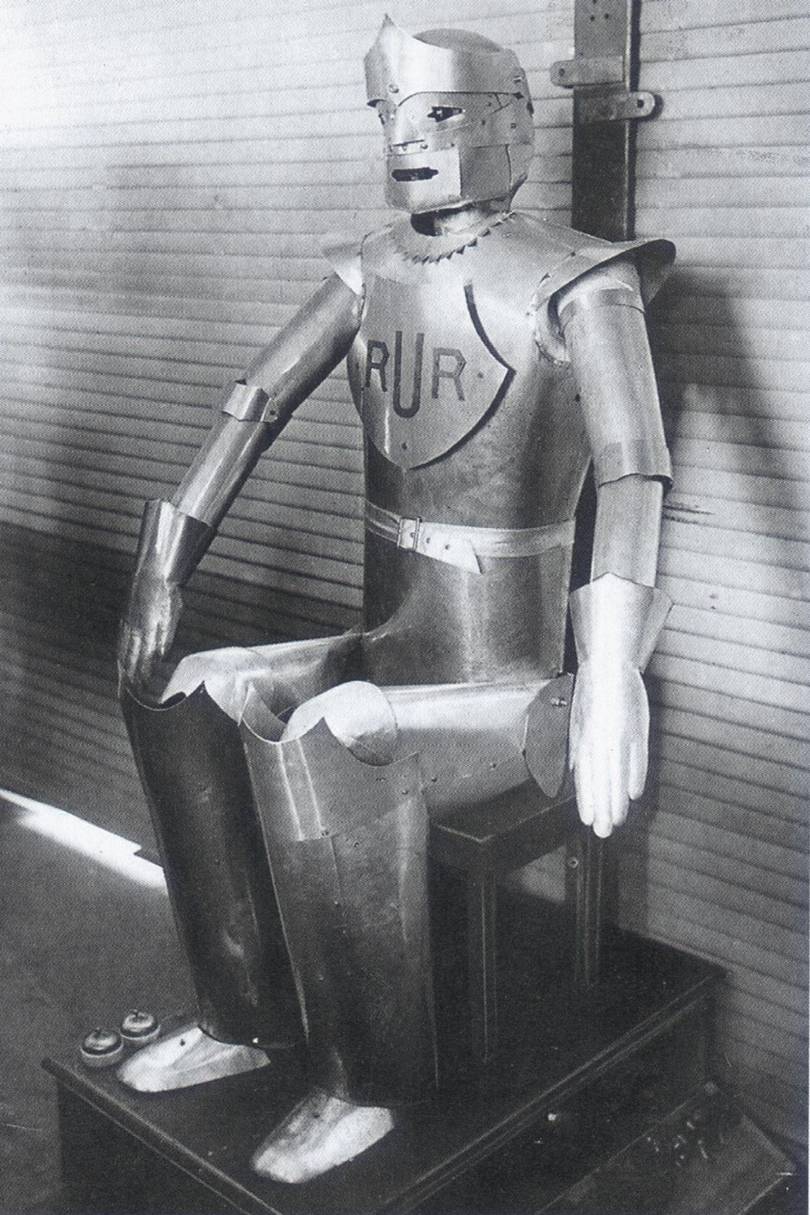
The word “robot” comes from the Czech word “robota,” which means “forced labor” or “toil.” The term was first introduced in Karel Čapek’s 1920 play, “R.U.R.,” which stands for “Rossum's Universal Robots.” The play depicts a society where robots are created to perform menial tasks, but ultimately turn on their human creators.
The play was a critical success and introduced the term “robot” to the world. It’s worth noting, however, that the robots in Čapek’s play were not mechanical creatures as we might imagine today. Instead, they were made of biological material and resembled human beings.
Evolution of the Robot
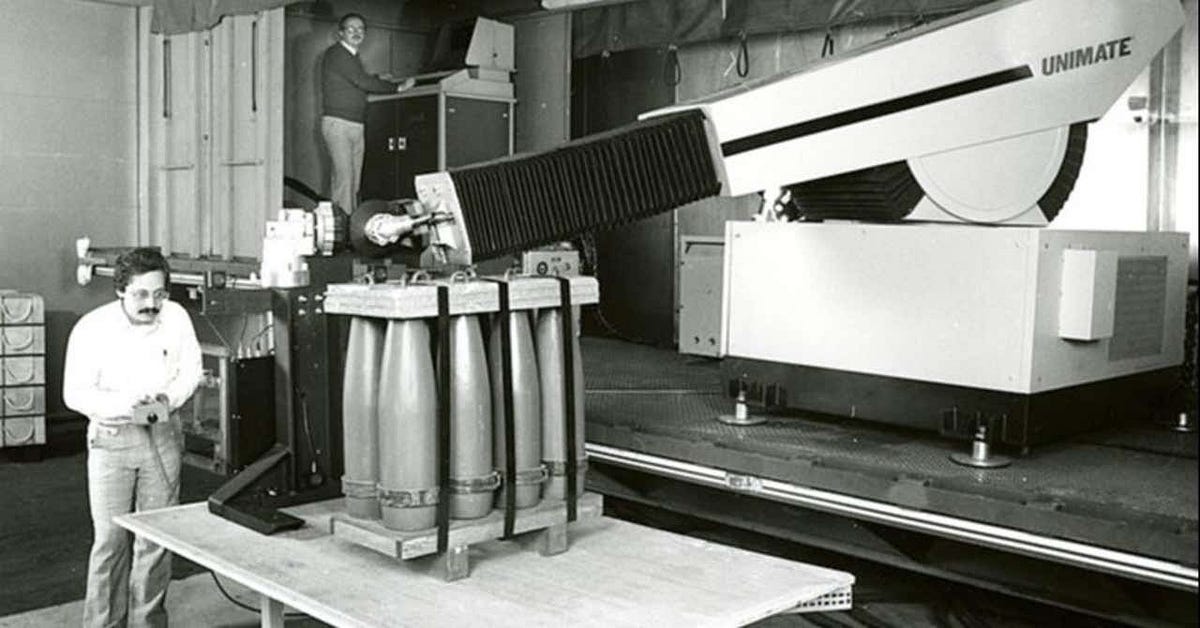
Over time, the term “robot” evolved to refer to mechanical devices that could perform tasks automatically. The first true robot was created in 1954 by George Devol, who patented the Unimate, a robotic arm designed for use in manufacturing. The Unimate was the first robotic device to be used in an industrial setting and paved the way for the development of modern robotics.
Since then, robots have become an increasingly common sight in everyday life. They’re used in manufacturing to assemble products, in healthcare to perform surgeries, and even in space exploration to conduct research on other planets.
The Impact of Robotics on Society

Robotics has had a significant impact on society in a variety of ways. On the one hand, robots have made it possible to perform tasks that were once impossible or impractical. They’ve also made many tasks safer for humans, as they can perform dangerous tasks without putting people at risk.
On the other hand, there are concerns that robotics could lead to job loss or the dehumanization of society. As robots become increasingly capable, there’s a risk that they could replace humans in many jobs, leading to widespread unemployment. Additionally, some people worry that reliance on robots could lead to a loss of empathy and human connection.
The Future of Robotics

The future of robotics is uncertain, but it’s clear that robots will continue to play an increasingly important role in society. As technology advances, robots will become more capable and more human-like, with the potential to revolutionize many industries.
Some experts predict that robots could eventually become so advanced that they surpass humans in intelligence and ability. This raises questions about the implications of such a development, and what it would mean for the future of humanity.
Conclusion
The term “robot” may have originated in a play nearly 100 years ago, but its impact on society has been profound. From the first mechanical robot arm to the advanced robots of today, robotics has changed the way we live and work in countless ways. As we look to the future, it’s clear that robotics will continue to be an important area of development and innovation.
Related video of When Was The Term Robot First Used

One of the most common hand gestures used to express anger, frustration, or disrespect is the middle finger. But have you ever wondered when the middle finger was invented? Let's take a closer look at the origins of this infamous gesture.
The Early Days
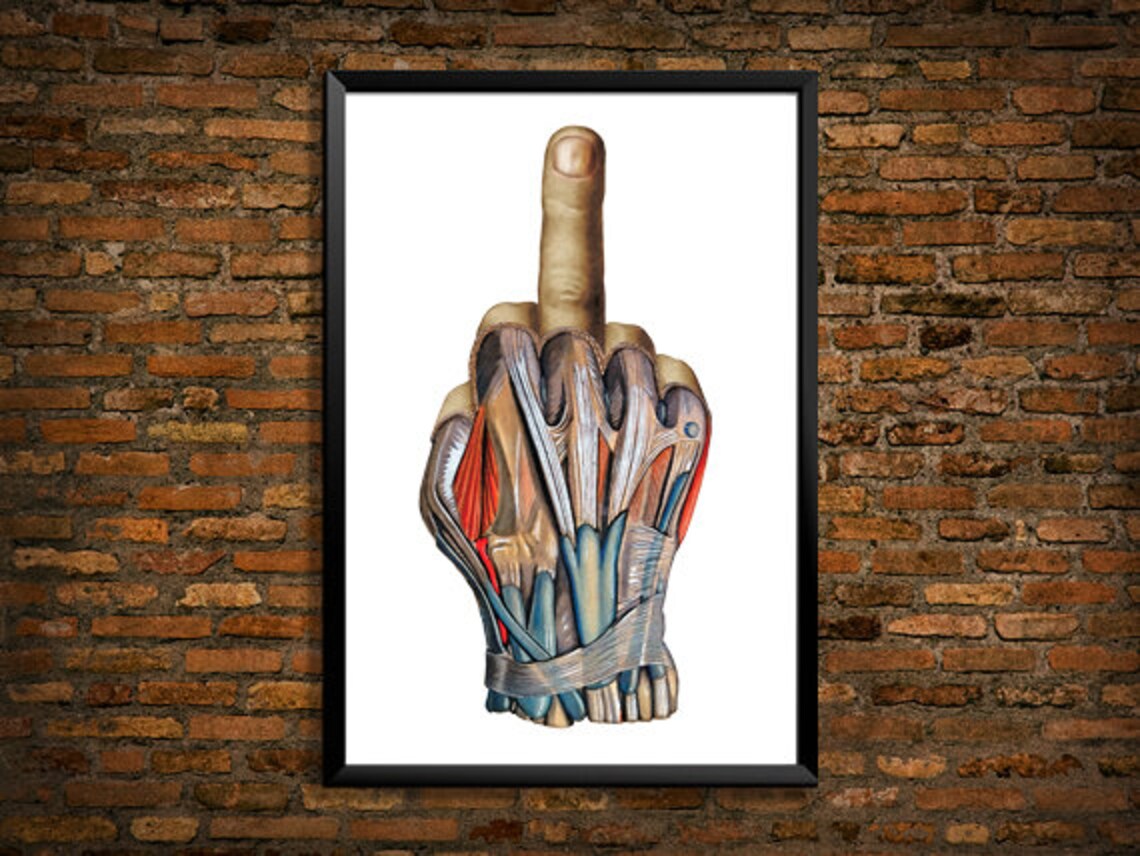
Hand gestures have been used for communication since ancient times. In fact, some of the earliest known hand gestures date back to prehistoric cave paintings. However, there is no evidence to suggest that the middle finger gesture was used during this time period.
The Greeks and Romans

It wasn't until the ancient Greeks and Romans that the middle finger gesture began to make an appearance. In Greek and Roman art, the gesture was often used to represent an erect phallus. It was considered a symbol of fertility and good luck.
The Middle Ages

During the Middle Ages, the middle finger gesture took on a more negative connotation. It was used by commoners to insult and mock members of the aristocracy. The gesture was seen as a symbol of rebellion and disrespect.
The Renaissance

In the Renaissance era, the middle finger gesture became more widespread. It was used by soldiers to taunt their enemies and by commoners to express their dissatisfaction with the ruling class. However, the gesture still had a mostly negative connotation.
The Modern Era

It wasn't until the 20th century that the middle finger gesture became more accepted in mainstream culture. In the United States, the gesture was popularized by Hollywood and the music industry. Today, it is often used in a more lighthearted manner to express humor or sarcasm.
The Bottom Line

So, when was the middle finger invented? While we can't pinpoint an exact date or time period, it's clear that the gesture has been around for centuries. Whether it's used to express anger, frustration, or humor, the middle finger remains a symbol of defiance and rebellion.
Related video of When Was The Middle Finger Invented?

The internet has become an essential part of our daily lives. We use it for everything from socializing to shopping to working. But have you ever wondered when the internet was created? In this article, we will explore the history of the internet and how it came to be.
The Beginning of the Internet

The internet began in the 1960s as a project of the United States Department of Defense. The project, called ARPANET (Advanced Research Projects Agency Network), was designed to create a decentralized communication network that could withstand a nuclear attack. It connected computers at universities and research centers across the country.
The Birth of the World Wide Web

The World Wide Web, or simply the web, is the part of the internet that most people are familiar with. It allows users to access a vast array of information and services through web pages and links. The web was invented in 1989 by Tim Berners-Lee, a British computer scientist, while he was working at CERN, the European Organization for Nuclear Research. He created the first web browser and web server, and he developed the first web page, which explained how to use the web.
The Commercialization of the Internet

In the 1990s, the internet began to be commercialized. Companies started to build websites and offer services over the web. This led to the dot-com boom, a period of rapid growth in the technology industry. Many new companies were created, and many existing companies expanded their operations to include online services.
The Internet Today

Today, the internet is an essential part of modern life. It has revolutionized communication, commerce, and entertainment. People all over the world use the internet to connect with each other, share information, and access services. The internet has also created new industries and jobs, and it has changed the way we work and live.
Conclusion
The internet has come a long way since its creation in the 1960s. It has evolved from a decentralized communication network to a global network of information and services. The internet has changed the way we live, work, and communicate, and it will continue to shape our lives in the future.
Related video of When Was The Internet Created?

Grandfather clocks are a type of longcase clock that have been around for centuries. These clocks are known for their intricate design and large pendulum that swings inside a tall case. But when exactly was the grandfather clock invented?
The Origins of Longcase Clocks

The grandfather clock, also known as the longcase clock, evolved from earlier clock designs. The first mechanical clocks were invented in Europe in the 14th century, but they were large and expensive, making them accessible only to the wealthy.
Over time, clockmakers began to develop smaller, more affordable clocks that could be used in homes. These clocks were often placed on shelves or hung on walls.
In the early 17th century, clockmakers began to experiment with placing the clock movement in a long case. This allowed for a longer pendulum, which improved accuracy, and also gave the clock a more elegant appearance.
The Rise of the Grandfather Clock

The first longcase clocks were made in the late 1600s, but they were not yet known as grandfather clocks. It wasn't until the 19th century that the term "grandfather clock" became popular.
The name "grandfather clock" is said to have originated from a song called "My Grandfather's Clock," which was written in 1876. The song tells the story of an old clock that belonged to the singer's grandfather and how it continued to tick even after his grandfather passed away.
By the 18th century, the longcase clock had become a popular status symbol among the wealthy. Clockmakers began to create more elaborate designs, incorporating intricate carvings and detailed decorations.
Innovations in Clockmaking

As clockmaking technology continued to evolve, so did the design of the grandfather clock. In the 19th century, clockmakers began to experiment with new materials and techniques.
One of the most significant innovations was the development of the Westminster chime. This chime, which plays a melody on the quarter hour, was first introduced in the early 20th century and is now a common feature in many grandfather clocks.
Other innovations included the use of electric power to keep the clock running, as well as the development of quartz movement, which allowed for even greater accuracy.
The Legacy of the Grandfather Clock

Today, the grandfather clock remains a popular and iconic timepiece. While many modern homes opt for digital clocks, there is still something special about the elegant design and soothing ticking sound of a grandfather clock.
Whether you're an antique collector or simply appreciate the beauty of a well-crafted timepiece, the grandfather clock is sure to continue to captivate and inspire for generations to come.
Related video of When Was The Grandfather Clock Invented

Circumcision is the removal of the foreskin that covers the head of the penis. It is a practice that has been in existence for thousands of years and is performed for various reasons, including religious, cultural, and medical. But when was the first circumcision performed? Let's delve into the history of circumcision to find out.
The Origins of Circumcision

The practice of circumcision has been traced back to ancient Egypt, where it was performed as a rite of passage for young men. It was also practiced by other cultures, such as the Greeks and Romans, who adopted it from the Egyptians. In some cultures, it was even performed on women.
In ancient Egypt, circumcision was performed on males as a symbol of their transition into adulthood. It was also believed to have a hygienic purpose and was associated with purity and cleanliness. The ancient Egyptians believed that circumcision would prevent infections and diseases, and it was also believed to enhance sexual pleasure.
Religious Circumcision

In Judaism, circumcision is a religious ritual that is performed on male infants on the eighth day after birth. It is considered a covenant between God and the Jewish people and is a symbol of their commitment to God. The practice of circumcision is also found in Islam, where it is performed on male infants and is considered a sign of submission to God.
The practice of circumcision is also found in some Christian communities, such as the Coptic Orthodox Church of Egypt and the Ethiopian Orthodox Church. In these communities, circumcision is performed as a religious ritual and is believed to have spiritual significance.
Medical Circumcision
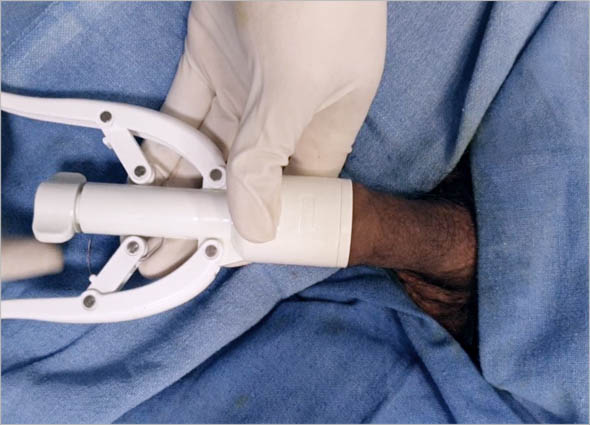
Medical circumcision is performed for various reasons, such as to treat medical conditions or to prevent certain diseases. It is also performed as a preventive measure against sexually transmitted infections (STIs) and HIV/AIDS.
The first medical circumcision was performed in the late 19th century by a German physician named Dr. Abraham L. Wolbarst. He advocated for the practice of circumcision as a way to prevent diseases such as syphilis and gonorrhea. Since then, circumcision has become a common practice in many parts of the world and is performed for various medical reasons.
The Evolution of Circumcision

The practice of circumcision has evolved over time, and today, it is performed for various reasons, including religious, cultural, and medical. In some communities, circumcision is still performed as a rite of passage for young men, while in others, it is performed as a religious ritual. Medical circumcision is also common in many parts of the world, and it is performed for various medical reasons.
Despite the controversy surrounding circumcision, it remains a common practice in many parts of the world. Some argue that circumcision is a violation of human rights, while others argue that it has health benefits. Regardless of one's opinion on the matter, it is clear that circumcision has a long and complex history that is intertwined with religion, culture, and medicine.
Conclusion
In conclusion, the practice of circumcision has been in existence for thousands of years and has a long and complex history. It has been performed for various reasons, including religious, cultural, and medical, and has evolved over time. While there is controversy surrounding the practice, it remains a common practice in many parts of the world.
Related video of When Was The First Circumcision

Introduction
Breakfast is incomplete without a crispy, golden-brown toast. Toasting bread on an open flame was an old and tedious process. The invention of the electric toaster has made our lives easier. But have you ever wondered when was the electric toaster invented? Let's delve into the history of the electric toaster.
The Early Days Of Toasting
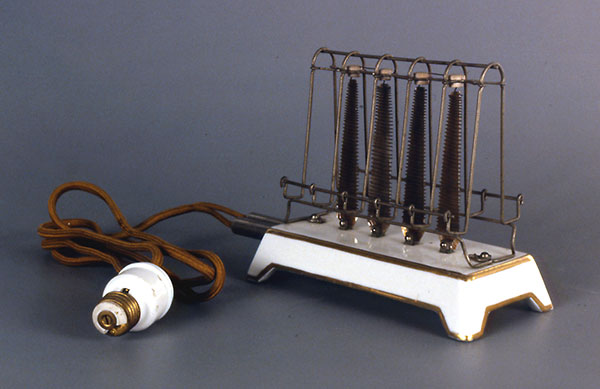
Before the electric toaster, people used toasting forks to toast bread over an open flame. The first toasting fork was invented in the early 16th century. In the 19th century, people started using gas stoves to toast bread. But it was still a cumbersome process.
The First Electric Toaster

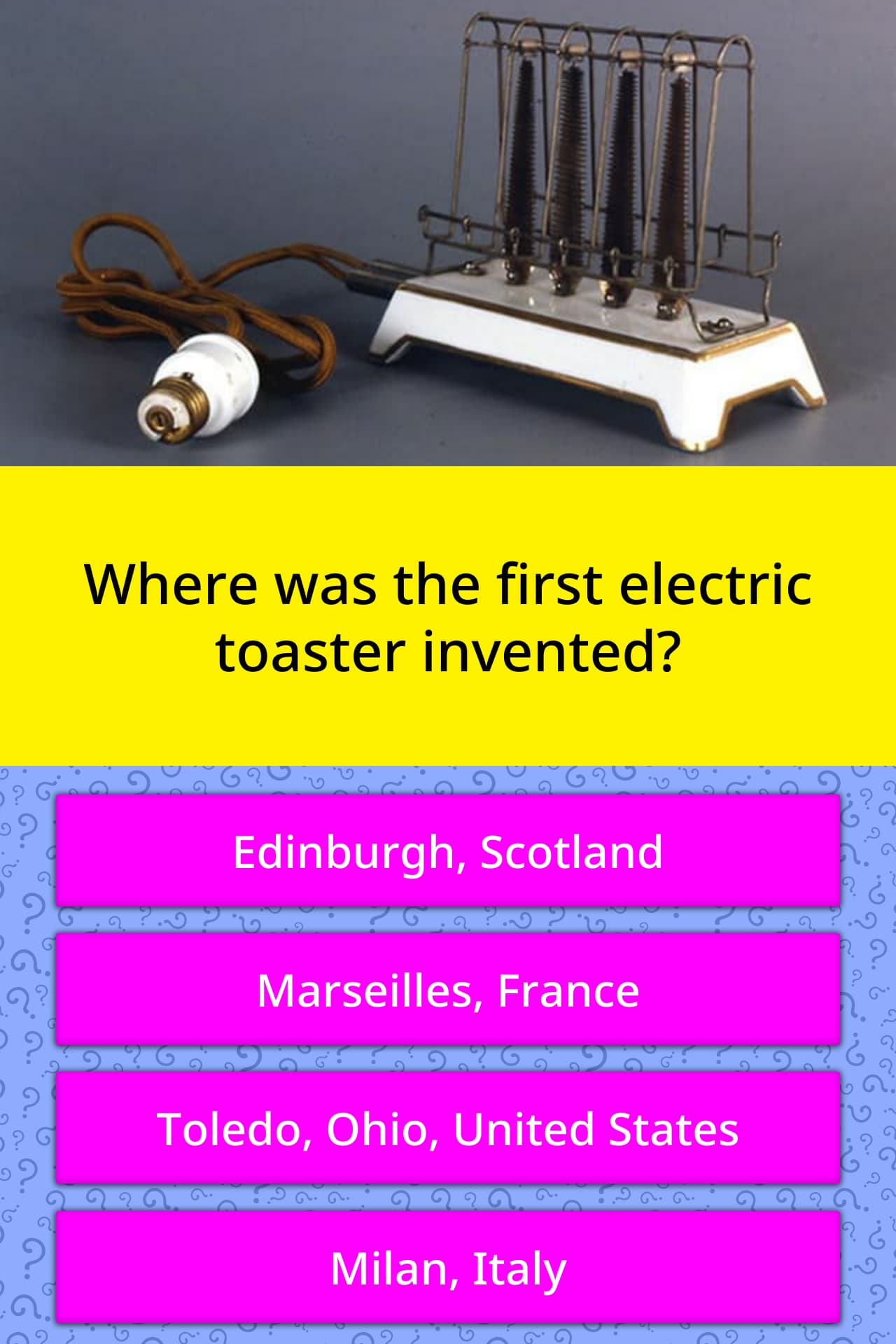
The first electric toaster was invented by a Scottish scientist named Alan MacMasters in 1893. It was called the "Eclipse" and used a wire element made of iron to toast bread. However, it was not very successful as it was difficult to use and was not very safe.
The Pop-Up Toaster
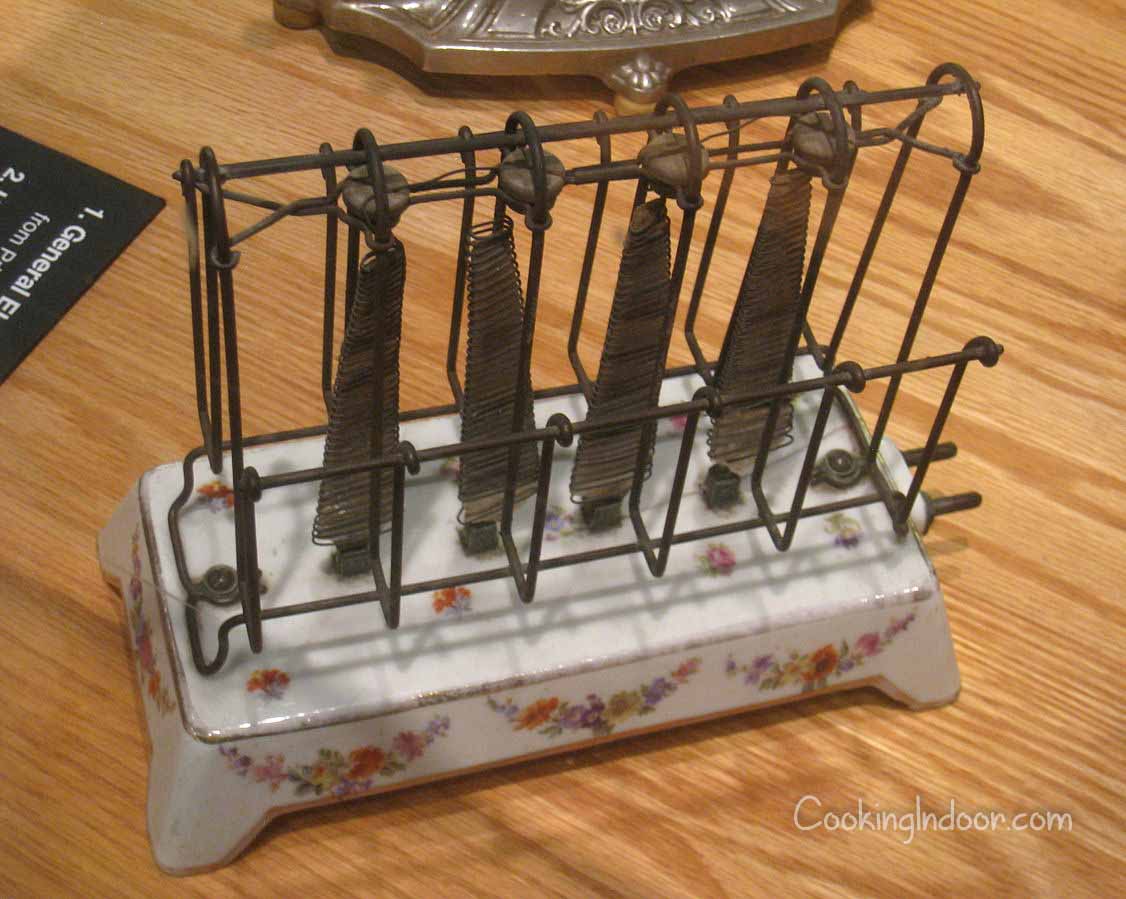
In 1919, Charles Strite invented the first pop-up toaster. It used a timer and a spring mechanism that would automatically pop the toast up when it was done. This was a game-changer as it made toasting bread much easier and safer. The first pop-up toaster was called the Toastmaster and was sold in 1926.
Improvements In Toaster Technology

Over the years, there have been many improvements in toaster technology. In 1937, the first toaster with an automatic pop-up rack was invented. In 1946, the first toaster with a thermostatic control was introduced. This allowed the user to set the desired level of toasting. In the 1950s, the toaster with a slide-out crumb tray was invented, making it easier to clean.
The Toaster Oven

In the 1960s, the toaster oven was invented. It was a combination of a toaster and an oven and could be used to cook small meals. The toaster oven became very popular as it was a versatile kitchen appliance.
Toasters Today
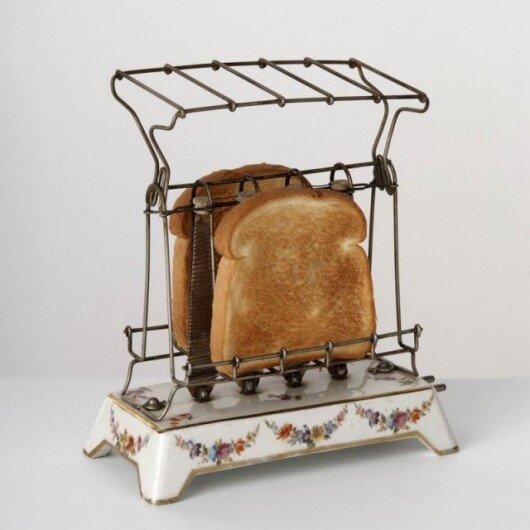
Today, there are many types of toasters available in the market. There are toasters with slots that can accommodate different sizes of bread. There are also toasters with multiple slots, allowing you to toast more bread at once. Some toasters even come with a bagel setting, which toasts only one side of the bagel.
The Future Of Toasting
As technology advances, there are bound to be more improvements in toaster technology. Who knows, we may soon have toasters that can toast bread to our exact specifications, with just a touch of a button!
Conclusion
The electric toaster has come a long way since its inception. From the cumbersome toasting forks to the modern-day toasters, it has made our lives easier. We can now enjoy a delicious, crispy toast in just a few minutes. So, the next time you pop some bread into the toaster, remember the long journey it took to get there.