Yellowing and falling off toenails can be a concerning experience for anyone. In most cases, it is an indication of an underlying health issue or an injury. If you are experiencing this problem, you should not ignore it as it can lead to severe complications. In this article, we will discuss the common reasons why toenails turn yellow and fall off and what you can do to prevent it from happening.
What Causes Toenails To Turn Yellow?
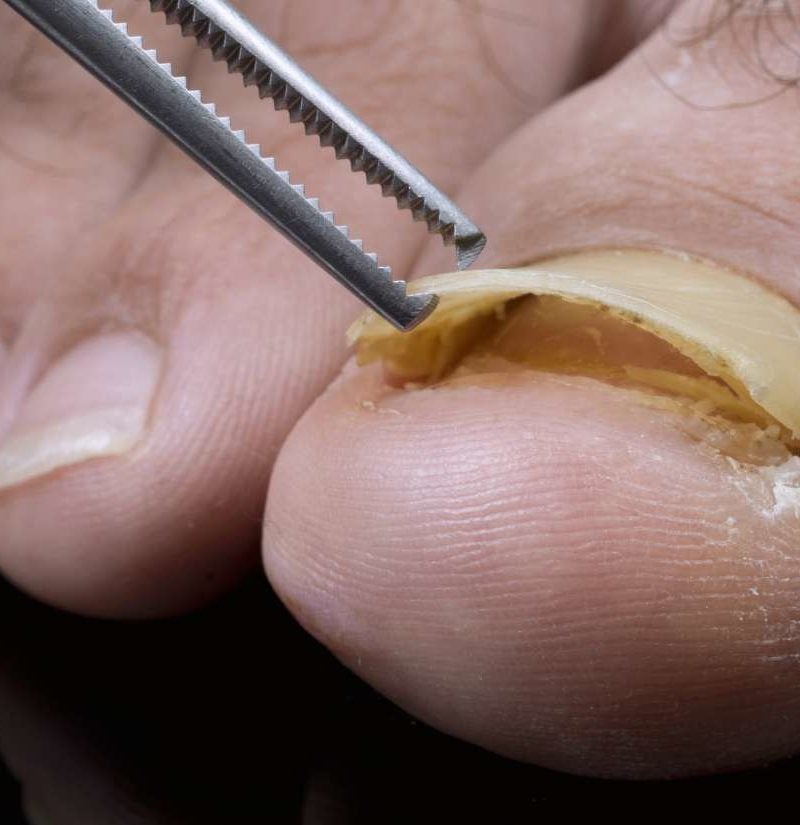
Yellow toenails can be caused by several factors, including fungal infection, psoriasis, and other health issues. Fungal infection is the most common reason why toenails turn yellow. Fungi thrive in warm and moist environments, making your feet an ideal place for them to grow. Fungal infection can cause the toenail to become thick, brittle, and discolored.
Psoriasis is a skin condition that can affect any part of the body, including the toenails. It can cause the toenail to become thick, yellow, and crumbly. Other health issues that can cause toenails to turn yellow include diabetes, thyroid problems, and poor circulation.
Why Do Toenails Fall Off?

Toenails can fall off due to several reasons, including injury, fungal infection, and other health issues. Injury is the most common reason why toenails fall off. If you stub your toe or drop a heavy object on it, it can cause the toenail to become loose and eventually fall off. Fungal infection can also cause the toenail to become weak and fall off.
Other health issues that can cause toenails to fall off include psoriasis, diabetes, and poor circulation. If you are experiencing this problem, you should consult a healthcare provider to determine the underlying cause and receive the appropriate treatment.
How To Prevent Toenails From Turning Yellow And Falling Off?

Preventing toenails from turning yellow and falling off requires proper foot hygiene and care. Here are some tips:
- Wash your feet daily with soap and water
- Dry your feet thoroughly, especially between the toes
- Wear breathable shoes and socks
- Avoid walking barefoot in public areas
- Trim your toenails regularly
- Avoid sharing nail clippers and other personal grooming items
If you have an injury or a health issue that may affect your toenails, it is essential to seek medical attention promptly. Early intervention can prevent further damage and complications.
Conclusion
In conclusion, yellowing and falling off toenails can be a sign of an underlying health issue or an injury. The most common cause of yellow toenails is a fungal infection, while injury is the most common reason why toenails fall off. Proper foot hygiene and care can help prevent toenails from turning yellow and falling off. If you are experiencing this problem, you should consult a healthcare provider to determine the underlying cause and receive the appropriate treatment.
Related video of Why Did My Toenail Turn Yellow And Fall Off?

Have you ever wondered why cops are called "pigs"? This slang term for police officers has been around for decades, but where did it come from? In this article, we'll explore the origins of this term and its evolution over time.
The Origin of the Term

The term "pig" as a derogatory term for police officers has been around since the late 1960s. The exact origin of the term is not known, but there are a few theories.
One theory is that the term comes from the use of pigs in the 19th century to catch runaway slaves. The pigs were trained to sniff out the slaves and bring them back to their owners. This association between pigs and law enforcement may have carried over to modern times.
Another theory is that the term comes from the way police officers are often depicted in cartoons and comic books. Police officers are often drawn with snouts and pig-like features, which may have contributed to the use of the term "pig."
The Evolution of the Term

The term "pig" has evolved over time and has been used in different ways. In the 1960s and 1970s, the term was used by anti-establishment groups to refer to police officers as a way of expressing their opposition to authority.
Today, the term is still used by some as a way of expressing their distrust of law enforcement. However, the term is also used by some police officers themselves as a way of reclaiming the term and using it as a badge of honor.
Controversy Surrounding the Term

The use of the term "pig" is controversial, and many people find it offensive. Some argue that the term is dehumanizing and disrespectful to police officers who risk their lives to protect others.
Others argue that the term is a legitimate form of protest against police brutality and corruption. They argue that the term is not meant to insult all police officers but rather to criticize those who abuse their power.
Conclusion
The term "pig" has a long and complex history. Its origins are not clear, but it has been used for decades as a derogatory term for police officers. The term has evolved over time and is still used today, although it is controversial and offensive to some. Whether one chooses to use the term or not, it is important to remember that police officers are people who risk their lives to protect others, and they deserve our respect.
Related video of Why Cops Are Called Pigs

Deafness is a condition that affects millions of people worldwide. It can be caused by a variety of factors, including genetics, illness, injury, and age. However, regardless of the cause, the result is the same - deaf people cannot hear. But why is this the case? In this article, we will explore the science behind deafness and why some people are unable to hear.
The Ear and Hearing

To understand why deaf people can't hear, we first need to understand how the ear works. The ear is made up of three parts - the outer ear, the middle ear, and the inner ear. Sound waves enter the outer ear and travel through the ear canal to the eardrum, causing it to vibrate. These vibrations are then transmitted to the middle ear, where they are amplified by the three tiny bones - the hammer, anvil, and stirrup. Finally, the vibrations reach the inner ear, where tiny hair cells in the cochlea convert them into electrical signals that are sent to the brain.
Causes of Deafness

Deafness can be caused by a variety of factors, including genetics, illness, injury, and age. In some cases, deafness is present from birth due to genetic mutations. In other cases, it can be caused by illness or injury, such as infections, noise exposure, or head trauma. Additionally, as we age, our hearing naturally declines, which can lead to deafness in some people.
Types of Deafness

There are two main types of deafness - conductive and sensorineural. Conductive deafness occurs when there is a problem with the outer or middle ear that prevents sound from reaching the inner ear. This type of deafness can often be treated with hearing aids or surgery. Sensorineural deafness, on the other hand, occurs when there is damage to the hair cells in the inner ear or the auditory nerve that connects the inner ear to the brain. This type of deafness is usually permanent and cannot be treated with hearing aids or surgery.
Cochlear Implants

While many people with sensorineural deafness cannot be treated with hearing aids or surgery, some may benefit from cochlear implants. These are devices that are surgically implanted in the inner ear and provide electrical stimulation to the auditory nerve, bypassing the damaged hair cells. While cochlear implants do not restore normal hearing, they can allow people with deafness to hear some sounds and communicate more effectively.
Sign Language

For many deaf people, sign language is their primary means of communication. Sign language uses a combination of hand gestures, facial expressions, and body language to convey meaning. There are many different types of sign language used around the world, including American Sign Language (ASL) and British Sign Language (BSL).
Conclusion
Deafness is a complex condition that can be caused by a variety of factors. While some cases of deafness can be treated with hearing aids or surgery, others are permanent and cannot be cured. However, with the help of cochlear implants and sign language, many deaf people are able to communicate effectively and live full, happy lives.
Related video of Why Can't Deaf People Hear

Introduction
Traffic lights are a common sight on roads and highways all over the world. They are designed to control traffic flow and reduce the risk of accidents. However, have you ever wondered why traffic lights are arranged vertically? In this article, we will explore the reason behind the vertical configuration of traffic lights.
The Early Days of Traffic Lights

The first traffic lights were installed in London in 1868, and they were manually operated. They were placed horizontally, and each of the two colors was displayed on a separate side of the pole. This meant that drivers had to look to the side to see which light was illuminated.
In 1912, a police officer in Detroit designed the first electric traffic light. The design was vertical, with the red light at the top, followed by the amber light in the middle, and the green light at the bottom.
Advantages of Vertical Configuration

The vertical configuration of traffic lights has several advantages. Firstly, it is easier for drivers to see the lights when they are arranged vertically. This is because the lights are more visible when they are placed in a straight line. Secondly, the vertical configuration allows for more lights to be displayed in a smaller area. This is particularly useful in busy intersections where space is limited.
International Standards

The vertical configuration of traffic lights has become an international standard. This means that traffic lights are arranged vertically in almost every country in the world. This standardization makes it easier for drivers to understand the signals and reduces the risk of confusion.
Color Meanings

The colors of traffic lights have specific meanings. The red light means stop, the amber light means prepare to stop, and the green light means go. These colors are arranged in a vertical configuration to make it easier for drivers to understand the signals.
Conclusion
The vertical configuration of traffic lights has become a standard around the world. It is easier for drivers to see the lights when they are arranged vertically, and it allows for more lights to be displayed in a smaller area. The colors of traffic lights have specific meanings, and they are arranged in a vertical configuration to make it easier for drivers to understand the signals. Overall, the vertical configuration of traffic lights is an important aspect of road safety and traffic control.
Related video of Why Are Traffic Lights In A Vertical Configuration
Introduction
Buffalo wings are a popular food item in the United States, enjoyed by millions of people each year. These crispy and spicy chicken wings are typically served with a side of blue cheese dressing and celery sticks. But have you ever wondered why they are called "Buffalo" wings?

The Origin of Buffalo Wings
The story behind the name "Buffalo" wings dates back to the 1960s in Buffalo, New York. The original recipe was created by a man named Teressa Bellissimo, who owned a restaurant with her husband. One day, they received a shipment of chicken wings instead of the usual chicken parts they had ordered.

The Birth of a Legend
Teressa came up with the idea to deep-fry the wings and toss them in a spicy sauce made from hot sauce and butter. She then served them with a side of blue cheese dressing and celery sticks. They became an instant hit with her customers, and the rest is history.

The Popularity of Buffalo Wings
Buffalo wings quickly gained popularity in Buffalo, and soon spread to other parts of the country. Today, they are a staple at sports bars, restaurants, and parties across the United States. They are also enjoyed by people all over the world.

Why Are They Called "Buffalo" Wings?
So, why are they called "Buffalo" wings? The answer is simple. They were invented in Buffalo, New York. However, some people mistakenly believe that the name comes from the fact that they are made from buffalo meat. This is not true. Buffalo wings are made from chicken wings.

The Different Variations of Buffalo Wings
Over the years, many different variations of Buffalo wings have been created. Some are made with different types of hot sauce, while others are coated in different types of breading. Some even have different dipping sauces, like ranch dressing or honey mustard.

The Health Benefits of Buffalo Wings
While Buffalo wings are delicious, they are not exactly the healthiest food option. They are high in calories, fat, and sodium. However, there are some health benefits to eating them. Chicken wings are a good source of protein, and the spicy sauce can help boost your metabolism.

Conclusion
So, there you have it. Buffalo wings are called "Buffalo" wings because they were invented in Buffalo, New York. They are a delicious and popular food item enjoyed by millions of people around the world. Whether you like them spicy or mild, with blue cheese or ranch dressing, there is a Buffalo wing out there for everyone.
Related video of Why Are They Called Buffalo Wings

Introduction
Have you ever looked in the mirror and noticed the veins in your eyes are more noticeable than usual? You may be wondering why this is happening. In this article, we will explore the reasons why the veins in your eyes are so visible.Anatomy of the Eye
In order to understand why the veins in your eyes are visible, it's important to know a little bit about the anatomy of the eye. The eye is made up of many different parts, including the sclera, the cornea, and the iris. The sclera is the white part of your eye that surrounds the iris and the pupil. It is made up of a tough, fibrous material that protects the eye. The cornea is the clear, dome-shaped surface that covers the front of the eye. The iris is the colored part of the eye that controls the size of the pupil.Reasons for Visible Veins
There are several reasons why the veins in your eyes may be more visible than usual. One of the most common reasons is fatigue. When you are tired, the blood vessels in your eyes can become dilated, making them more visible. This can also happen when you are sick or have allergies.Another reason why the veins in your eyes may be visible is because of aging. As you get older, your skin becomes thinner and the veins in your body become more visible. This is especially true for the delicate skin around your eyes.Eye Strain
If you spend a lot of time staring at a computer or phone screen, you may be experiencing eye strain. This can cause the veins in your eyes to become more visible. To reduce eye strain, take frequent breaks and make sure your workstation is properly lit.High Blood Pressure
High blood pressure can also cause the veins in your eyes to become more visible. This is because high blood pressure can cause the blood vessels in your body to become dilated. If you have high blood pressure, it's important to get treatment to reduce your risk of complications.Dehydration
Dehydration can also cause the veins in your eyes to become more visible. When you are dehydrated, your body tries to conserve water by narrowing the blood vessels. This can make the veins in your eyes more visible.Sun Damage
Exposure to the sun can also cause the veins in your eyes to become more visible. This is because the sun can damage the delicate skin around your eyes, causing the veins to become more prominent.Conclusion
In conclusion, there are many reasons why the veins in your eyes may be more visible than usual. If you are concerned about the appearance of your eyes, it's important to talk to your doctor. They can help you determine the underlying cause and recommend the best course of treatment. In the meantime, make sure you are getting enough rest, staying hydrated, and protecting your eyes from the sun.Related video of Why Are The Veins In My Eyes So Visible?

Introduction
Soft drinks are a popular beverage that is consumed by millions of people worldwide. They are refreshing and have a sweet taste that makes them a favorite among people of all ages. However, have you ever wondered why they are called soft drinks? In this article, we will explore the history and origin of the name soft drinks.
The Origin of Soft Drinks
The term soft drink dates back to the 17th century when carbonated beverages were first introduced. Before that, non-alcoholic beverages were referred to as 'small beer' or 'beverages.' The first carbonated drink was created by Joseph Priestley in 1767, who discovered a method of infusing water with carbon dioxide to produce a fizzy drink.

Why Are They Called Soft Drinks?
The term 'soft drink' was coined in the late 19th century to differentiate between alcoholic and non-alcoholic beverages. The word 'soft' was used because these drinks did not contain alcohol, which was considered a 'hard' drink. Soft drinks are often served as an alternative to alcoholic beverages at social gatherings.
Another theory suggests that the term 'soft drink' was used because of the soft, or mild, flavor of these beverages. Unlike other drinks like coffee or tea, soft drinks have a sweet taste that is easy on the palate. The term 'soft' was used to describe this mild flavor.

Types of Soft Drinks
Soft drinks come in a variety of flavors and types. Some of the most popular soft drinks include carbonated beverages like Coca-Cola, Pepsi, and Sprite. Non-carbonated soft drinks include fruit juices, sports drinks, and energy drinks. There are also diet and sugar-free versions of soft drinks for people who are conscious of their health.

Soft Drinks and Health
Soft drinks have come under scrutiny in recent years due to their high sugar content. Excessive consumption of soft drinks has been linked to obesity, type 2 diabetes, and heart disease. Many health organizations recommend limiting the intake of soft drinks and opting for healthier alternatives like water, tea, or fruit juice.

The Future of Soft Drinks
As people become more health-conscious, the demand for healthier soft drink options is increasing. Many companies are now offering low-sugar or sugar-free versions of their soft drinks. Some companies are also experimenting with natural sweeteners like stevia or monk fruit to reduce the sugar content of their drinks.
Another trend in the soft drinks industry is the rise of functional beverages. These are drinks that offer health benefits beyond hydration. Examples include energy drinks, sports drinks, and probiotic beverages. As more people become interested in functional beverages, we can expect to see more innovation in this area.

Conclusion
In conclusion, soft drinks are called 'soft' because they do not contain alcohol and have a mild flavor. They are a popular beverage that comes in a variety of flavors and types. However, excessive consumption of soft drinks can have negative health consequences, and many people are now opting for healthier alternatives. Soft drinks have a long history, and we can expect to see more innovation in this industry in the future.
Related video of Why Are Sodas Called Soft Drinks?
Passing gas is a natural bodily function that everyone experiences. However, some people may notice that their farts have a particularly strong odor. In this article, we will explore the reasons why farts can be so stinky.
The Science Behind Farts

Before we dive into why farts can be smelly, it is important to understand the science behind them. Farts are made up of various gases, including nitrogen, oxygen, carbon dioxide, and methane. The odor of a fart comes from the sulfur-containing compounds, such as hydrogen sulfide and methyl mercaptan.
Dietary Factors

One of the main reasons why farts can be so stinky is due to dietary factors. Certain foods contain more sulfur than others, which can lead to a stronger odor. Foods such as beans, broccoli, cabbage, and onions are notorious for causing smelly farts.
In addition, foods that are high in fat and difficult to digest can also cause smelly farts. These foods include fried foods, processed meats, and dairy products.
Medical Conditions

In some cases, smelly farts can be a sign of an underlying medical condition. Irritable bowel syndrome (IBS), inflammatory bowel disease (IBD), and celiac disease can all cause excessive flatulence with a strong odor.
In addition, if you are lactose intolerant or have a food allergy, consuming these foods can lead to smelly farts as your body struggles to digest them.
Bacterial Overgrowth

Another reason why farts can be so stinky is due to bacterial overgrowth in the gut. This can occur when there is an imbalance of good and bad bacteria in the digestive tract. When there is an overgrowth of bad bacteria, it can lead to excess gas production and a foul odor.
Dehydration

Dehydration can also contribute to smelly farts. When your body is dehydrated, it can lead to constipation and slower digestion. This can cause food to sit in your digestive tract for longer periods of time, leading to excess gas production and a stronger odor.
Conclusion
In conclusion, there are several reasons why farts can be so stinky. Dietary factors, medical conditions, bacterial overgrowth, and dehydration can all contribute to a strong odor. If you are concerned about your flatulence, it is always a good idea to talk to your doctor to rule out any underlying medical conditions.
Related video of Why Are My Farts So Stinky?

Hot dogs, also known as frankfurters, are one of the most popular foods in America. They are often served grilled or boiled and placed in a bun with various condiments. But have you ever wondered why they are called hot dogs? In this article, we will explore the history and origin of the name hot dogs.
The Origin of Hot Dogs
/Hotdogs-GettyImages-645386655-5a04421913f1290037d8ad04.jpg)
The origin of hot dogs can be traced back to the 19th century in Germany. The city of Frankfurt-am-Main was known for its sausages, which were made with pork and beef. These sausages were known as frankfurters.
These frankfurters were brought to America by German immigrants in the mid-1800s. They were initially sold by street vendors in New York City, who called them dachshund sausages because of their long, thin shape, which resembled the popular dog breed.
The Birth of the Name "Hot Dog"

The name "hot dog" was first coined in the late 1800s by a sports cartoonist named T.A. Dorgan. Dorgan attended a baseball game at the Polo Grounds in New York City, where he saw vendors selling the dachshund sausages.
As the story goes, Dorgan heard the vendors yelling, "Get your dachshund sausages here! They're red hot!" But Dorgan, who was known for his witty sayings, thought that the term "dachshund sausage" was too long and awkward. So, he began calling them "hot dogs" instead.
Controversy and Alternative Theories

While the story about T.A. Dorgan is the most widely accepted explanation for the origin of the name hot dog, there are other theories and controversies surrounding the name.
One theory suggests that the name hot dog comes from the use of the word "dog" to describe a sausage in the late 1800s. This theory is supported by the fact that the word "dog" was commonly used to describe sausages in other parts of the world, such as the UK.
Another theory suggests that the name hot dog comes from a popular belief that sausages were made from dog meat. This theory is often dismissed as a myth, as there is no evidence to support the idea that sausages were ever made from dog meat.
The Evolution of Hot Dogs
Since their introduction in America, hot dogs have evolved and become a staple food at sporting events, carnivals, and backyard barbecues. They are now available in a variety of styles, including kosher, all-beef, and veggie dogs.
Hot dogs have also become a symbol of American culture, with famous hot dog stands and restaurants popping up all over the country. Some of the most famous include Nathan's Famous in New York City and Pink's Hot Dogs in Los Angeles.
Conclusion
So, why are hot dogs called hot dogs? While the origin of the name is somewhat of a mystery, it is widely believed that the term was first coined by a sports cartoonist named T.A. Dorgan in the late 1800s. Today, hot dogs are a popular food and a symbol of American culture, enjoyed by millions of people every year.
Related video of Why Are Hot Dogs Called Hot Dogs?

Giraffes are one of the most fascinating creatures in the animal kingdom. They are known for their long necks and legs, and their unique spots. But did you know that giraffes can go without water for long periods of time? In this article, we will explore the reasons behind this remarkable ability.
The Habitat of Giraffes

Giraffes are native to the African continent and can be found in a variety of habitats, including savannas, grasslands, and open woodlands. These habitats are characterized by hot and dry conditions for most of the year, which means that water is often scarce.
Adaptations for Water Conservation

To survive in such conditions, giraffes have developed a number of adaptations that allow them to conserve water. For example, they have a highly efficient digestive system that extracts as much water as possible from the food they eat. They also have a unique kidney system that allows them to reabsorb water from their urine, preventing them from losing too much water.
Behavioral Adaptations

Giraffes have also developed a number of behavioral adaptations that help them survive in dry conditions. For example, they tend to feed during the early morning and late afternoon when temperatures are cooler and humidity is higher. They also avoid unnecessary movement during the hottest parts of the day to conserve energy and water.
Water Sources

Despite their ability to go without water for long periods of time, giraffes still need to drink water occasionally. They get most of their water from the plants they eat, but they also drink from waterholes and rivers when they are available.
Conservation Efforts

Giraffes are facing a number of threats, including habitat loss and poaching. As a result, many conservation efforts are being made to protect these magnificent creatures. By learning more about their unique adaptations and behaviors, we can better understand how to protect them and their habitat.
Conclusion
In conclusion, giraffes are able to go without water for long periods of time due to their unique adaptations and behaviors. These adaptations allow them to survive in the hot and dry conditions of their native habitat. However, it is important to remember that they still need water to survive, and we must work to protect their habitat and ensure their survival for generations to come.
Related video of Why Are Giraffes Able To Go Without Water
Deaf people are often assumed to be mute or unable to speak, but this is not necessarily the case. In fact, many deaf people have the ability to speak and communicate verbally. However, there are several reasons why some deaf individuals may be perceived as mute.
Congenital Deafness
Congenital deafness refers to deafness that is present at birth or acquired during early childhood. In some cases, congenital deafness can be associated with other developmental disabilities that may impact a person's ability to speak. For example, a child with congenital deafness may also have a cognitive or motor impairment that makes it difficult to learn language and speak clearly.
Acquired Deafness

Acquired deafness refers to deafness that occurs later in life, often as a result of illness, injury, or exposure to loud noise. In some cases, acquired deafness can be sudden and profound, leaving an individual without the ability to communicate verbally. Without proper support and training, a person with acquired deafness may struggle to develop speech and language skills.
Communication Methods

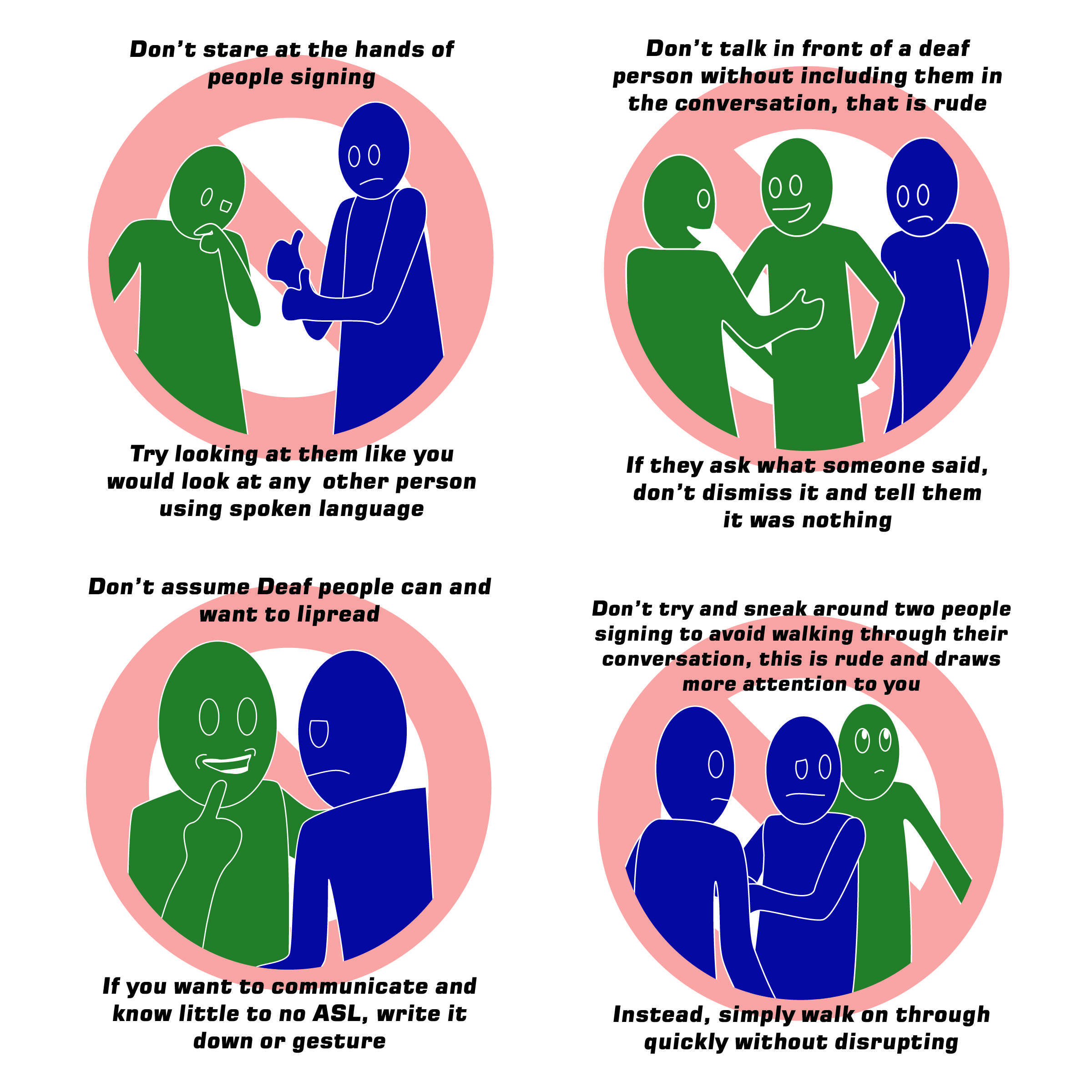
For many deaf individuals, sign language is their primary mode of communication. Sign language is a visual language that uses hand gestures, facial expressions, and body language to convey meaning. While some deaf people may also speak and lipread, others may rely solely on sign language to communicate. This can lead to the assumption that they are mute or unable to speak.
Social Isolation

Deaf individuals may also experience social isolation and communication barriers that can make it difficult to develop verbal communication skills. Without access to appropriate support and resources, a deaf person may struggle to interact with hearing individuals and develop their speaking abilities. This can lead to the assumption that they are mute or choose not to speak.
Cultural Beliefs

Finally, some deaf individuals may choose not to speak as a form of cultural identity. In the deaf community, there is a strong sense of pride in deaf culture and sign language. Some deaf individuals may choose to communicate exclusively in sign language as a way of affirming their cultural identity and rejecting the notion that deafness is a disability that needs to be fixed.
Conclusion
In conclusion, deafness does not necessarily equate to muteness. While some deaf individuals may struggle with verbal communication due to a variety of factors, many are able to speak and communicate in a variety of ways. It is important to recognize and respect the diverse communication needs and preferences of deaf individuals, and to provide appropriate support and resources to help them thrive.