
The Sweet Smell of Honey
Honey is known for its sweet smell and taste. It is a natural sweetener that has been used for centuries. It is made by bees from the nectar of flowers. The process of making honey involves the bees collecting the nectar, digesting it, and regurgitating it into the honeycomb. The bees then fan their wings to evaporate the moisture from the honey, which thickens it and gives it its sweet taste.
What Causes the Bad Smell?
While honey is supposed to have a sweet smell, there are times when it can smell bad. The bad smell is usually caused by fermentation. Fermentation is a process by which sugars are converted into alcohol and carbon dioxide by yeast or bacteria. When honey is exposed to moisture or air, it can ferment, which causes it to smell bad.
:max_bytes(150000):strip_icc()/does-honey-go-bad-1388300-FINAL-0930d61fdee84207a1825a55907652db.jpg)
How to Tell If Honey is Bad
If honey smells bad, it may not necessarily be bad. However, there are some signs that you need to look out for to determine if the honey is bad. If the honey has a sour or vinegar-like smell, it is a sign that it has started to ferment. If the honey has turned cloudy or has crystals in it, it may have started to crystallize. Crystallization is a natural process that occurs in honey over time. It does not mean that the honey is bad.
How to Store Honey
To prevent honey from smelling bad, it is essential to store it properly. Honey should be stored in a cool, dry place, away from direct sunlight. It should be stored in a tightly sealed container to prevent moisture from getting in. If honey has already started to crystallize, it can be gently heated to liquefy it. However, it should not be heated above 40°C as this can destroy the enzymes and nutrients in the honey.

The Benefits of Honey
Despite the possibility of honey smelling bad, it is still a nutritious and beneficial food. Honey is rich in antioxidants, which help to protect the body from damage caused by free radicals. It also has antibacterial and anti-inflammatory properties, which makes it beneficial for treating wounds and sore throats. Honey is also a natural cough suppressant and can help to soothe a sore throat.
Conclusion
In summary, honey is a sweet and nutritious food that can sometimes smell bad due to fermentation. However, this does not necessarily mean that the honey is bad. If the honey has a sour or vinegar-like smell, it may have started to ferment. Proper storage of honey can prevent it from smelling bad. Despite the possibility of honey smelling bad, it is still a beneficial food that has many health benefits.
Related video of Why Does Honey Smell Bad?

As we age, it's common to notice gray or white hair. But have you ever wondered why this happens? In this article, we'll explore the science behind why hair turns white and what factors can contribute to this process.
What Causes Hair Color?

In order to understand why hair turns white, it's important to understand what causes hair color in the first place. Hair color is determined by the amount and type of pigment called melanin. Melanin is produced by cells called melanocytes, which are located at the base of hair follicles.
There are two types of melanin: eumelanin and pheomelanin. Eumelanin is responsible for brown and black hair, while pheomelanin is responsible for red and blonde hair. The amount and type of melanin produced varies from person to person and can change over time.
Why Does Hair Turn White?

As we age, the production of melanin decreases. This causes hair to lose its color and turn gray, silver, or white. The exact reason why melanin production decreases with age is not fully understood, but it is thought to be related to a combination of genetics, stress, and exposure to environmental factors like pollution and UV radiation.
Can Stress Cause Gray Hair?

While stress is often blamed for causing gray hair, the truth is more complicated. Stress can contribute to hair loss and damage, but it is unlikely to be the sole cause of gray hair. However, some research suggests that chronic stress can accelerate the aging process and lead to premature graying.
Can You Reverse Gray Hair?
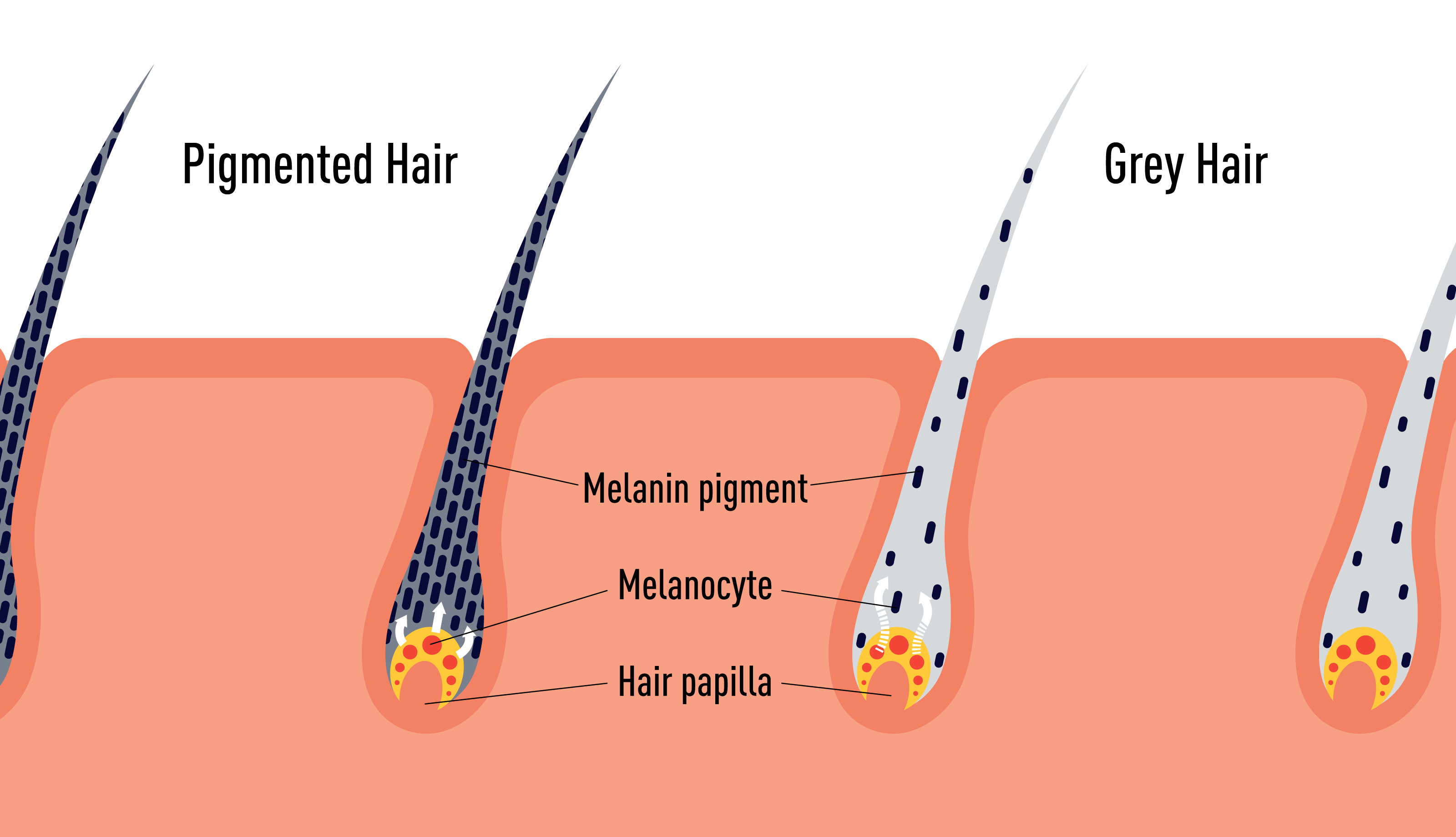
Currently, there is no way to reverse gray hair. However, there are products on the market that claim to be able to restore hair color. These products usually contain melanin or other pigments that can temporarily color the hair. However, they are not a permanent solution and will need to be reapplied regularly.
Conclusion
Gray and white hair is a natural part of the aging process. While the exact mechanisms behind why hair turns white are not fully understood, it is thought to be related to a decrease in melanin production. While there is no way to reverse or prevent gray hair, there are many products on the market that can help you embrace your new look.
Related video of Why Does Hair Turn White?
Cranberry juice is a popular drink that is known for its many health benefits. One of these benefits is its ability to help the kidneys. But why is cranberry juice good for the kidneys? In this article, we will explore the reasons behind this.
The Basics of Kidney Function
The kidneys are two bean-shaped organs that are located on either side of the spine. They are responsible for filtering waste products from the blood and removing them from the body through urine. The kidneys also regulate the body's fluid and electrolyte balance, which is important for maintaining normal blood pressure and overall health.
The Role of Cranberry Juice in Kidney Health

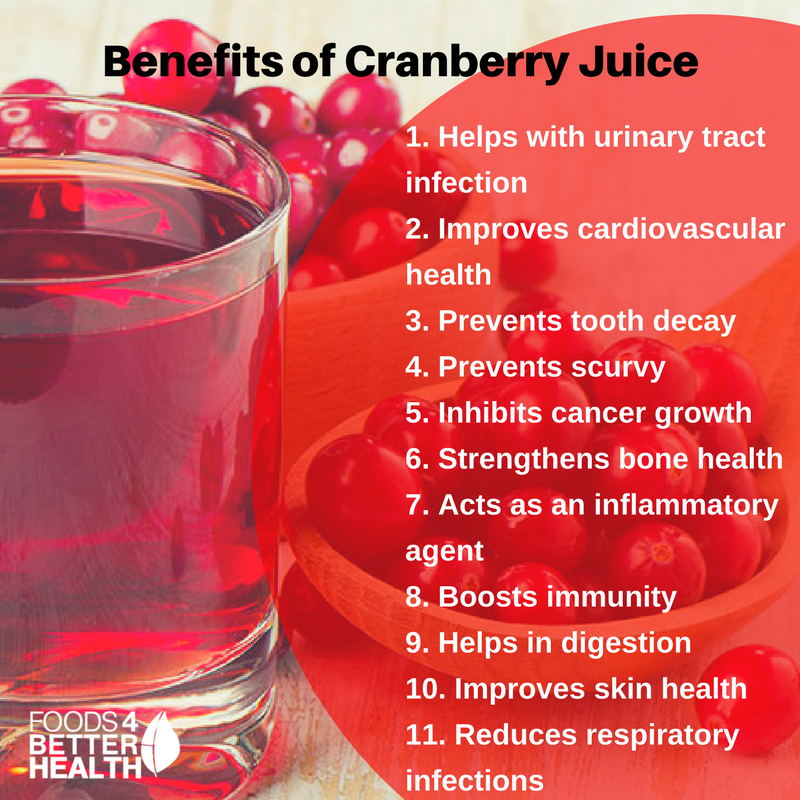
Cranberry juice is rich in antioxidants and other compounds that have been shown to have anti-inflammatory and antibacterial properties. These properties may help to protect the kidneys from damage caused by free radicals and other harmful substances.
Preventing Urinary Tract Infections

One of the main ways that cranberry juice helps the kidneys is by preventing urinary tract infections (UTIs). UTIs are a common problem that can lead to kidney damage if left untreated. Cranberry juice contains compounds called proanthocyanidins, which can prevent bacteria from sticking to the walls of the urinary tract and causing infection.
Reducing the Risk of Kidney Stones
Kidney stones are another common problem that can affect the kidneys. They are formed when minerals and other substances in the urine crystallize and form solid masses. Cranberry juice may help to reduce the risk of kidney stones by increasing urine volume and reducing the amount of calcium and oxalate in the urine.
Lowering Blood Pressure

High blood pressure is a major risk factor for kidney disease. Cranberry juice may help to lower blood pressure by increasing the production of nitric oxide, which helps to relax the blood vessels and improve blood flow.
Conclusion
In conclusion, cranberry juice is a healthy drink that can provide many benefits for the kidneys. Its anti-inflammatory and antibacterial properties can help to protect the kidneys from damage, while its ability to prevent UTIs and reduce the risk of kidney stones can help to maintain their health. Drinking cranberry juice regularly may also help to lower blood pressure, which is important for preventing kidney disease.
Related video of Why Does Cranberry Juice Help Kidneys
Have you ever wondered why the sky is blue? The answer lies in the way that light waves interact with the atmosphere. In this article, we will explore the science behind why blue light scatters more than other colors and how it affects our daily lives.
What is Blue Light?

Blue light is a type of visible light that has a shorter wavelength and higher energy than other colors in the visible spectrum. It is found in natural sunlight, as well as in artificial sources such as electronic devices and LED lights. While blue light is essential for regulating our sleep-wake cycle and mood, overexposure to blue light can have negative effects on our health.
Why Does Blue Light Scatter More?
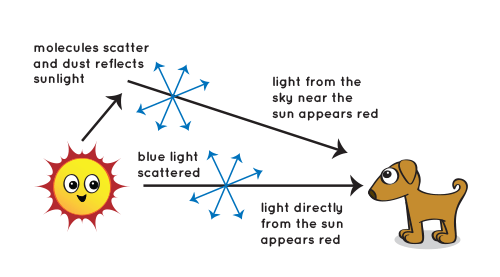
The reason why the sky appears blue is due to a phenomenon called Rayleigh scattering. When sunlight enters the Earth's atmosphere, it is scattered by gas molecules and tiny particles in the air. Blue light has a shorter wavelength than other colors in the visible spectrum, which means it is more easily scattered by these gas molecules and particles. As a result, the blue light is scattered in all directions and dominates the color of the sky.
It is important to note that this scattering effect is not limited to the sky. Blue light can also be scattered by water droplets in the ocean and air pollution, which can lead to hazy or blue-tinted landscapes.
How Does Blue Light Affect Our Health?
While blue light is essential for regulating our sleep-wake cycle and mood, overexposure to blue light can have negative effects on our health. Blue light can suppress the production of melatonin, a hormone that regulates sleep, and disrupt our circadian rhythm. This can lead to difficulty falling asleep, daytime fatigue, and other sleep-related problems.
Overexposure to blue light can also cause digital eye strain, which is characterized by symptoms such as dry eyes, headaches, and blurred vision. Blue light can penetrate deep into the eye and damage the retina, which can lead to age-related macular degeneration and other eye diseases.
How Can We Protect Ourselves from Blue Light?

There are several ways to protect ourselves from the negative effects of blue light. One way is to reduce our exposure to blue light by limiting our use of electronic devices, particularly at night. Another way is to wear blue light-blocking glasses, which can filter out harmful blue light and reduce digital eye strain.
Some electronic devices also come with built-in blue light filters, which can be turned on to reduce the amount of blue light emitted by the screen. There are also software programs available that can adjust the color temperature of our devices to reduce blue light emissions.
Conclusion
In conclusion, blue light scatters more than other colors due to its shorter wavelength and higher energy. While blue light is essential for regulating our sleep-wake cycle and mood, overexposure to blue light can have negative effects on our health. By reducing our exposure to blue light and taking steps to protect our eyes, we can minimize the negative effects of blue light on our health.
Related video of Why Does Blue Light Scatter More

Introduction
Asparagus is a delicious vegetable that is popular all around the world. However, many people have reported that after eating asparagus, their urine smells strange. This is a phenomenon that has puzzled people for centuries, and has even been the subject of much scientific research. In this article, we will explore why asparagus makes your pee smell, and what you can do about it.
The Science Behind the Smell

The strange smell that emanates from your urine after eating asparagus is actually caused by a chemical compound called asparagusic acid. When you eat asparagus, your body breaks down this acid into a group of sulfur-containing compounds. These compounds are volatile, which means that they can easily evaporate into the air, and they are responsible for the unique odor that you experience.
Not Everyone Experiences the Smell
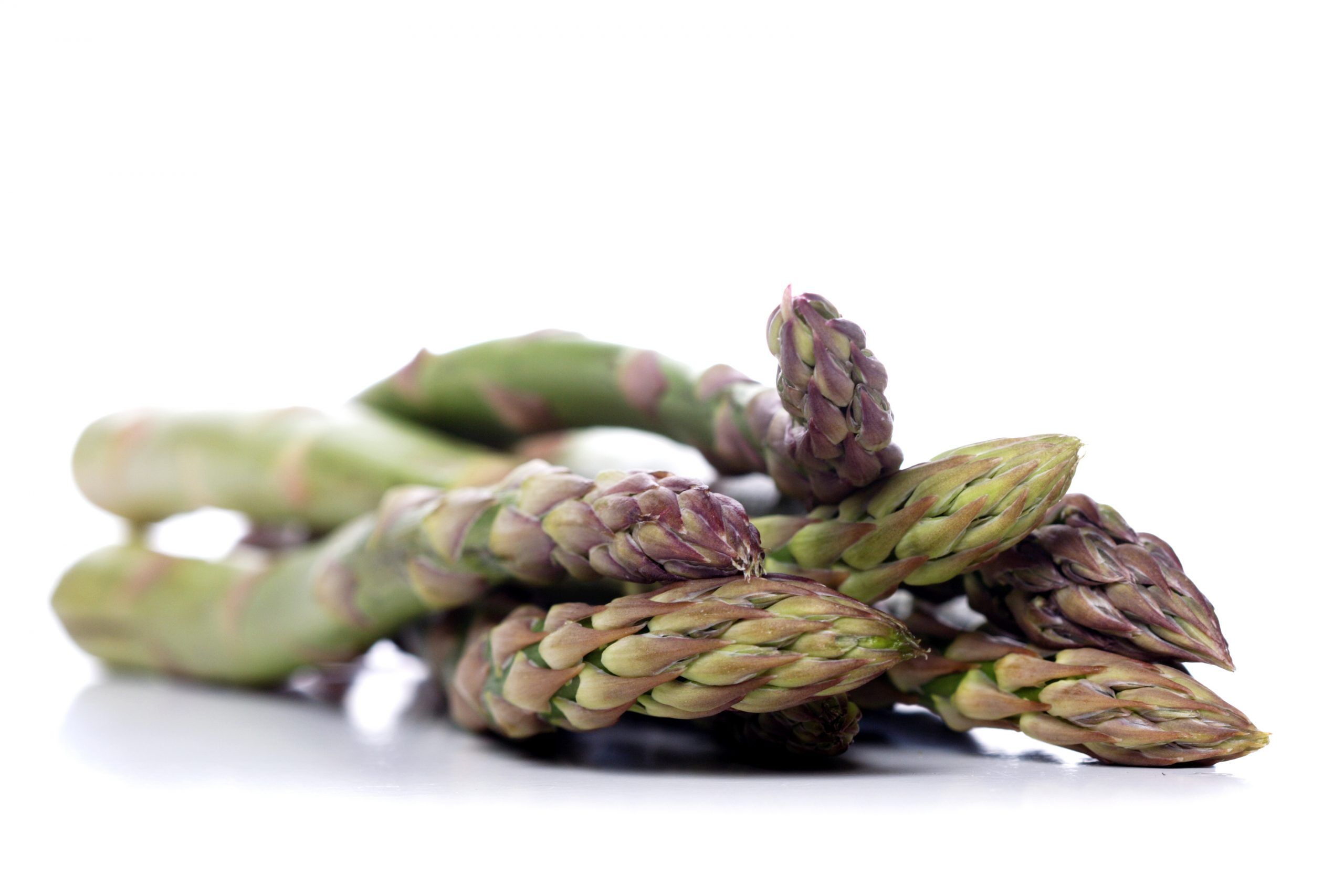
Interestingly, not everyone is able to smell the strange odor that emanates from their urine after eating asparagus. This is because the ability to detect the odor is actually determined by genetics. Some people have a gene that allows them to detect the smell, while others do not. In fact, studies have shown that up to 50% of people are unable to detect the odor, even after eating asparagus.
Is the Smell Harmful?

Many people are concerned that the strange odor that accompanies asparagus consumption might be a sign of a health problem. However, there is no evidence to suggest that the smell is harmful in any way. In fact, it is simply a harmless byproduct of the asparagus digestion process. So, if you do notice a strange smell after eating asparagus, there is no need to be worried.
How to Minimize the Smell

If you are bothered by the smell that accompanies asparagus consumption, there are a few things that you can do to minimize it. One of the most effective strategies is to cook the asparagus before eating it. Cooking breaks down the asparagusic acid, which means that fewer sulfur-containing compounds are produced during digestion. Additionally, drinking plenty of water can help to dilute the compounds, which can reduce the intensity of the odor.
Conclusion
In conclusion, the strange odor that accompanies asparagus consumption is caused by a chemical compound called asparagusic acid. This acid is broken down into volatile sulfur-containing compounds during digestion, which are responsible for the odor. While not everyone is able to detect the odor, it is simply a harmless byproduct of the asparagus digestion process. If you are bothered by the odor, cooking the asparagus and drinking plenty of water can help to minimize it.
Related video of Why Does Asparagus Make My Pee Smell?
Alcohol is a common beverage that is consumed by people all over the world. It comes in different forms such as beer, wine, and spirits. The history of alcohol is a long and complicated one, and it has been a part of human culture for thousands of years. In this article, we will explore the reasons why alcohol exists.
The History of Alcohol

The earliest evidence of alcohol consumption dates back to 7000 BC in China. It is believed that the beverage was made from fermented rice, honey, and fruit. The ancient Egyptians and Greeks also had their own alcoholic beverages. The Egyptians made beer, while the Greeks made wine.
Alcohol has been used for various purposes throughout history. It was used as a medicine, a social lubricant, and even as a form of currency. In some cultures, alcohol was used in religious ceremonies.
The Science of Alcohol

Alcohol is a depressant that affects the central nervous system. It works by slowing down brain activity, which can lead to feelings of relaxation and euphoria. However, too much alcohol can impair judgment, motor skills, and memory.
Alcohol is also metabolized differently by different people. Factors such as age, weight, and gender can affect how quickly the body can process alcohol. This is why some people can drink more than others without feeling the effects.
The Social Aspect of Alcohol

Alcohol has become a part of many social occasions. It is often used to celebrate special events such as weddings and birthdays. It is also used to unwind after a long day at work or to bond with friends.
However, alcohol can also lead to negative social consequences. It can lead to aggressive behavior, drunk driving, and other forms of reckless behavior.
The Economic Impact of Alcohol

The alcohol industry is a major contributor to the global economy. It provides jobs and generates revenue for governments. However, excessive alcohol consumption can also have a negative economic impact. It can lead to lost productivity, healthcare costs, and other social costs.
The Cultural Significance of Alcohol

Alcohol has played a significant role in many cultures throughout history. It has been used in religious ceremonies, as a form of hospitality, and as a symbol of status and wealth.
However, the cultural significance of alcohol can also have negative consequences. It can lead to alcoholism and other forms of addiction. It can also perpetuate harmful stereotypes and social norms.
The Future of Alcohol

The future of alcohol is uncertain. While it will likely continue to be a part of human culture, there are also growing concerns about the negative impact of excessive alcohol consumption. As a result, there is a growing movement towards moderation and responsible drinking.
Overall, the reasons why alcohol exists are complex and multifaceted. It has played a significant role in human history and culture, but it also comes with a range of social, economic, and health consequences. As we move forward, it is important to approach alcohol consumption with a critical and responsible mindset.
Related video of Why Does Alcohol Exist?
Boogers, also known as snot or nasal mucus, are a common bodily secretion that most people experience on a daily basis. While they may be gross or inconvenient, boogers actually serve an important purpose in keeping our respiratory system healthy. In this article, we'll explore why we have boogers and what they can tell us about our health.
What Are Boogers?

Boogers are made up of a combination of mucus, dirt, pollen, and other particles that enter our nose when we inhale. They are created in the lining of our nasal passages, which are lined with tiny hairs called cilia that help to filter out these particles. As these particles are trapped, they mix with mucus and form boogers.
Why Do We Have Boogers?

Boogers serve an important function in our respiratory system. They help to trap and remove harmful particles from the air we breathe, such as dust, bacteria, and viruses. Without boogers, these particles would be able to enter our lungs and cause respiratory problems.
What Do Boogers Tell Us About Our Health?
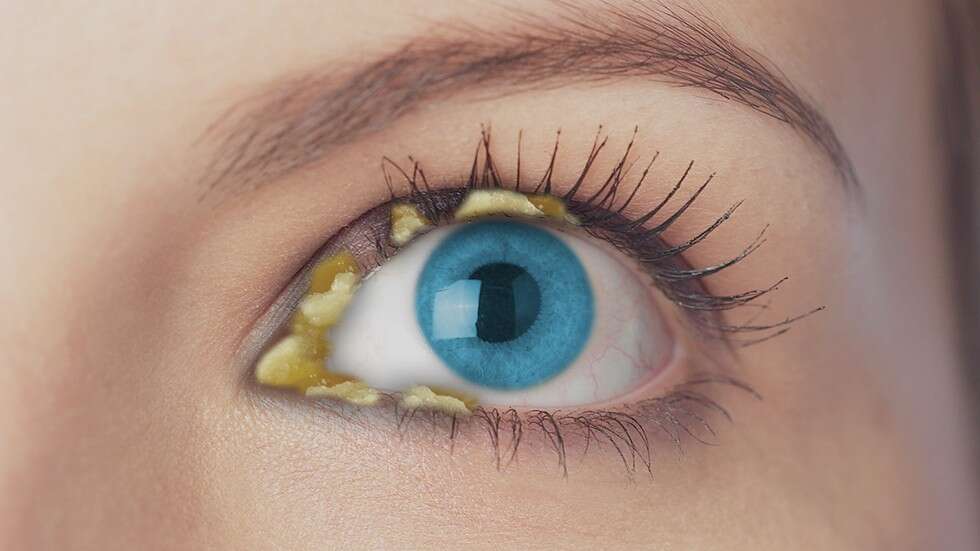
The color and consistency of our boogers can provide clues about our health. Clear or slightly yellowish boogers are normal and indicate that our nasal passages are functioning properly. However, if our boogers are green, it may be a sign of infection or inflammation in our nasal passages. Bloody or brownish boogers can indicate a more serious underlying issue, such as a nasal injury or tumor.
How Can We Get Rid of Boogers?

While boogers may be annoying, it's important not to pick or blow your nose too aggressively, as this can cause damage to your nasal passages. Instead, try using a saline nasal spray or a neti pot to help flush out excess mucus and particles. If you're experiencing excessive or painful boogers, it's best to consult a healthcare professional.
Conclusion
Boogers may not be the most pleasant bodily secretion, but they play an important role in keeping our respiratory system healthy. By understanding why we have boogers and what they can tell us about our health, we can better care for our bodies and prevent respiratory problems in the future.
Related video of Why Do You Have Boogers?

Have you ever wondered why we yawn? It is a natural phenomenon that occurs in nearly all vertebrates, including humans. Yawning is a reflex action that involves the simultaneous inhalation of air and the stretching of the eardrums, followed by an exhalation of breath. This article will explore the various theories behind why we yawn, the benefits of yawning, and what triggers yawning.
Theories Behind Why We Yawn

There are several theories behind why we yawn. One of the most popular theories is that yawning helps to increase the oxygen supply to our brains, which helps to improve cognitive function and alertness. Another theory suggests that yawning helps to regulate the temperature of the brain by cooling it down.
Other theories propose that yawning helps to relieve stress and tension, or that it is a way of communicating empathy or boredom. Some researchers also believe that yawning may be a way of preparing the body for sleep, as it often occurs before and after sleep.
The Benefits of Yawning

Despite the fact that yawning is often associated with boredom or tiredness, there are actually several benefits to this reflex action. Yawning helps to increase blood flow and oxygen to the brain, which can improve cognitive function and alertness. It also helps to regulate the temperature of the brain and can relieve stress and tension.
In addition, yawning has been shown to have a contagious effect, meaning that when one person yawns, it can trigger a chain reaction of yawning in others. This contagious effect has been shown to increase social bonding and empathy, which can have positive effects on mental health and well-being.
What Triggers Yawning?

Yawning can be triggered by a variety of factors, including tiredness, boredom, and anxiety. It is also often associated with sleepiness, as it often occurs before and after sleep. In addition, some researchers believe that yawning may be triggered by changes in the levels of certain chemicals in the brain, such as dopamine or serotonin.
Interestingly, yawning has also been shown to be contagious, meaning that when one person yawns, it can trigger a chain reaction of yawning in others. This contagious effect is thought to be linked to social bonding and empathy, as it can help to create a sense of connection and shared experience between individuals.
Conclusion
Yawning is a natural phenomenon that occurs in nearly all vertebrates, including humans. While the exact reasons behind why we yawn are still not fully understood, there are several theories that suggest yawning may help to increase oxygen supply to the brain, regulate brain temperature, relieve stress and tension, or prepare the body for sleep. In addition, yawning has been shown to have a contagious effect, which can promote social bonding and empathy. So the next time you feel a yawn coming on, embrace it and enjoy the benefits!
Related video of Why Do We Yawn?
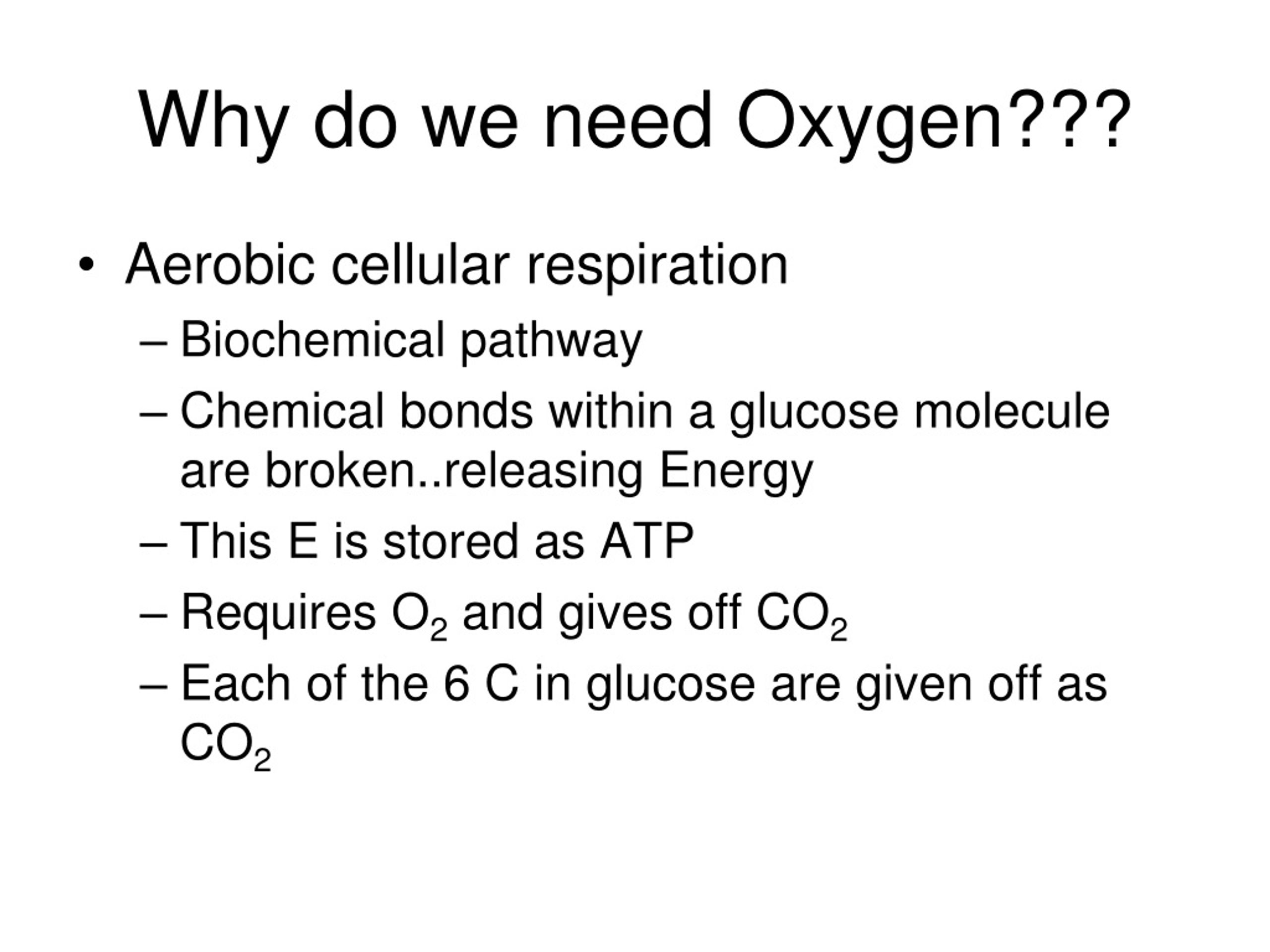
Oxygen is a vital element that we need to survive. Without it, we would not be able to breathe, and our bodies would not be able to function properly. But why do we need oxygen? What does it do for us? In this article, we will explore the importance of oxygen in our lives and why it is essential for our survival.
The Role of Oxygen in Respiration
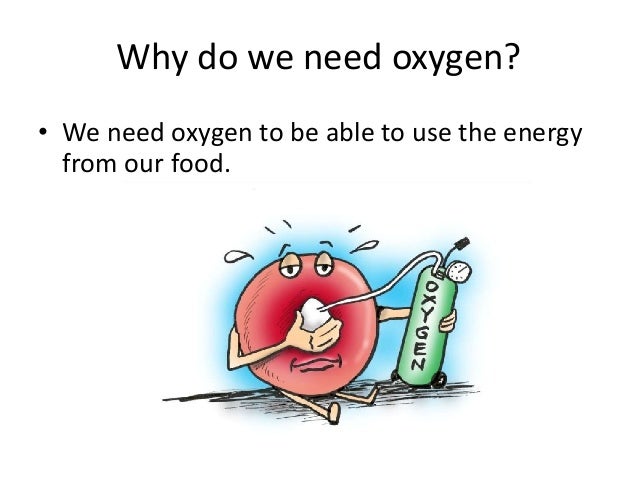
One of the primary reasons we need oxygen is for respiration. Respiration is the process by which our cells convert glucose into energy that our bodies can use. Without oxygen, this process cannot occur, and our cells would not be able to produce energy. This is why we need to breathe in oxygen and breathe out carbon dioxide.
Oxygen and Brain Function

Oxygen is also critical for proper brain function. Our brains need a constant supply of oxygen to function correctly. Without oxygen, we would not be able to think or process information properly. This is why it is essential to get enough oxygen to our brains, especially during times of stress or intense physical activity.
Oxygen and the Immune System

Oxygen is also essential for our immune system. Our white blood cells use oxygen to destroy bacteria and viruses in our bodies. Without oxygen, our immune system would not be able to function correctly, and we would become more susceptible to infections and diseases.
Oxygen and Physical Performance

Oxygen is also critical for physical performance. When we exercise, our bodies need more oxygen to produce energy for our muscles. Without enough oxygen, our muscles would not be able to work as hard, and we would become fatigued more quickly. This is why athletes often train at high altitudes, where there is less oxygen, to improve their performance.
Oxygen and Sleep

Finally, oxygen is also essential for proper sleep. When we sleep, our bodies need a constant supply of oxygen to function correctly. Without enough oxygen, we may experience sleep apnea or other sleep disorders that can affect our health and well-being.
Conclusion
In conclusion, oxygen is a vital element that we need to survive. It plays a crucial role in respiration, brain function, the immune system, physical performance, and sleep. Without enough oxygen, our bodies would not be able to function correctly, and we would become more susceptible to diseases and infections. So make sure to take deep breaths and get enough oxygen to keep your body healthy and functioning correctly.
Related video of Why Do We Need Oxygen

Visiting the Tomb of the Unknown Soldier is a humbling experience. The Tomb is a monument dedicated to the fallen soldiers who have died in the service of the United States, whose remains have not been identified. The Tomb, located in Arlington National Cemetery, Virginia, is guarded 24 hours a day, 7 days a week, 365 days a year. The guards are known as the "Sentinels" and are members of the 3rd U.S. Infantry Regiment, also known as the "Old Guard".
The History of the Tomb of the Unknown Soldier

The Tomb of the Unknown Soldier was established in 1921, to honor the soldiers who had died in World War I. The body of an unknown soldier was brought back from France and interred in the Tomb. In 1958, the remains of an unknown soldier from World War II and the Korean War were also interred in the Tomb. The Tomb represents all the soldiers who have died in the service of the United States and whose remains have not been identified.
The Changing of the Guard

The Changing of the Guard is a solemn ceremony that takes place at the Tomb of the Unknown Soldier every hour, on the hour, from October to March, and every half-hour from April to September. The ceremony is a tribute to the fallen soldiers and a reminder of the sacrifice they made for their country. The ceremony is carried out with precision and discipline, and the Sentinels take their duties very seriously.
The Sentinels

The Sentinels are volunteers who are selected from the 3rd U.S. Infantry Regiment, based on their military bearing, physical ability, and dedication to duty. They must be between 5'10" and 6'4" tall, have a waist size of no more than 30 inches, and be able to perform a variety of tasks in extreme weather conditions. The Sentinels undergo an intense training program that lasts for six months, during which they learn the elaborate drill movements and the history of the Tomb.
The Importance of Guarding the Tomb

The Tomb of the Unknown Soldier represents the sacrifice and dedication of all the soldiers who have given their lives in service to their country. The Sentinels guard the Tomb to ensure that the memory of these soldiers is respected and honored. They stand guard in all weather conditions, day and night, to show their respect for the fallen soldiers and their families. The Sentinels are a symbol of the enduring commitment of the United States to its military heroes.
The Respect and Discipline Required of the Sentinels

The Sentinels are expected to maintain the highest standards of respect and discipline while on duty. They must remain motionless and silent, except when they are performing their duties. They must also pay close attention to their appearance, ensuring that their uniform is spotless and their shoes are shined. The Sentinels take great pride in their duties and are dedicated to honoring the fallen soldiers who are interred in the Tomb.
The Sentinels' Creed

The Sentinels' Creed is a code of conduct that guides the behavior of the Sentinels. The Creed states that they will "guard everything within the limits of my post and quit my post only when properly relieved." The Creed also states that they will "relieve the Sentinel after me, and shall obey all commands from the Commanding Officer, Officer of the Day, and officers and non-commissioned officers of the guard only." The Sentinels take their duties very seriously and consider the Creed to be a sacred trust.
The Tomb of the Unknown Soldier and National Identity

The Tomb of the Unknown Soldier is a symbol of national identity and a reminder of the sacrifice that soldiers have made for their country. It represents the values of patriotism, honor, and duty that are essential to the American identity. The Tomb is a place where Americans can come to pay their respects to the fallen soldiers and to reflect on the importance of their sacrifice.
Conclusion
The Tomb of the Unknown Soldier is a monument to the soldiers who have died in the service of the United States, whose remains have not been identified. The Tomb represents all the soldiers who have given their lives in the defense of their country. The Sentinels guard the Tomb with precision and discipline, showing their respect for the fallen soldiers and their families. The Tomb of the Unknown Soldier is a reminder of the sacrifice and dedication of the American military and a symbol of national identity.