
The Science Behind Eye Color
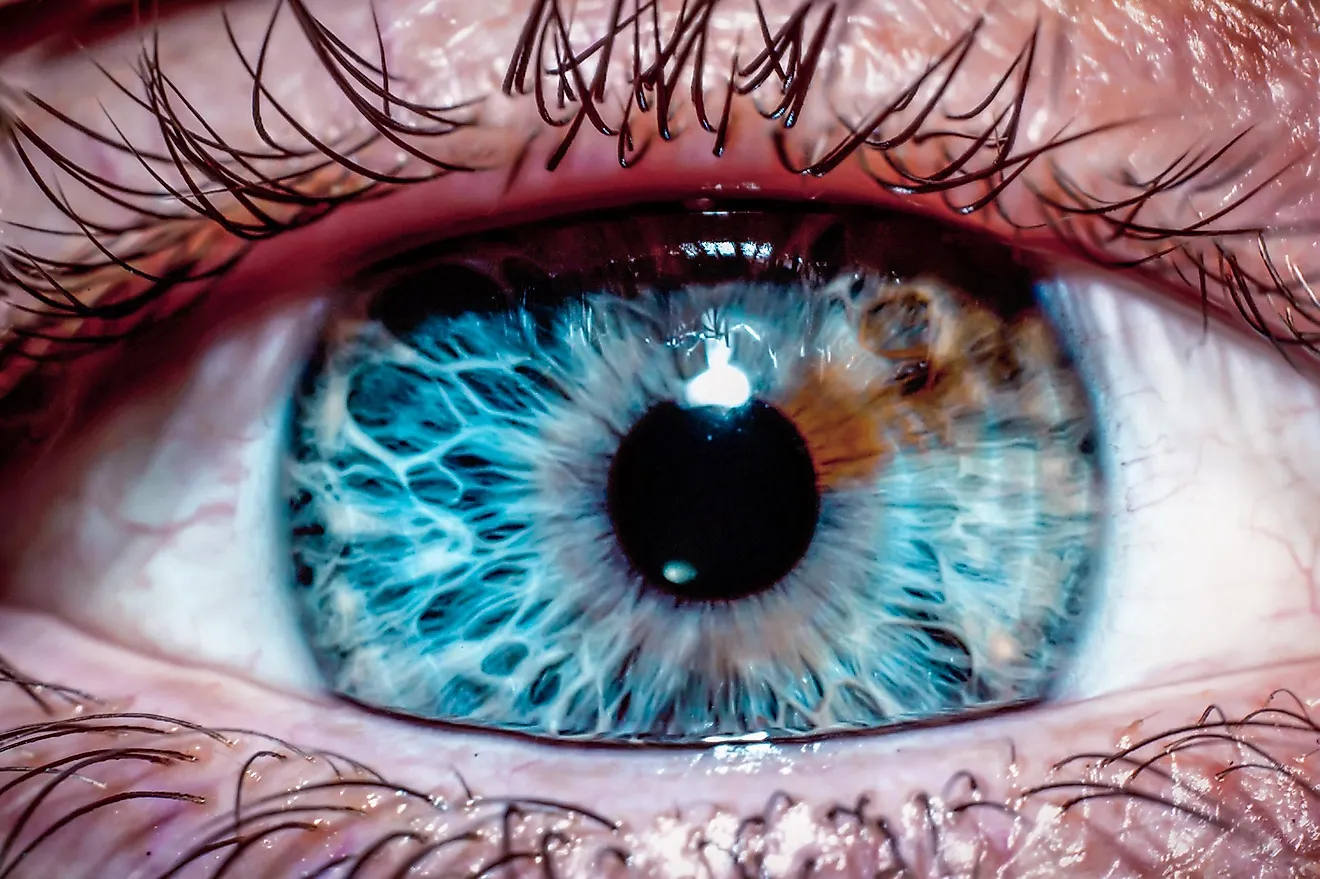
Have you ever wondered why some people have blue eyes while others have brown or green? The color of our eyes is determined by the amount and type of pigments in the iris, the colored part of the eye. The iris contains two types of pigments: melanin and lipochrome. Melanin is responsible for brown and black colors, while lipochrome causes green, yellow, and orange hues.

Genetics and Eye Color
The color of our eyes is also determined by genetics. Eye color is a polygenic trait, which means that it is controlled by multiple genes. The genes that control eye color are located on chromosome 15. The most common eye colors are brown, blue, and green, but there are many variations in between. For example, some people have hazel eyes, which are a combination of brown, green, and gold.
Environmental Factors and Eye Color
While genetics plays a significant role in determining eye color, environmental factors can also influence it. For example, exposure to sunlight can cause the production of more melanin in the iris, which can darken the color of the eyes. In contrast, lack of sunlight can lead to lighter eye colors. Additionally, certain medications and diseases can affect the amount and type of pigments in the iris, leading to changes in eye color.
Eyeball Structure and Eye Color
The structure of the eyeball can also affect the color of the eyes. The iris has two layers: the anterior and posterior layers. The anterior layer contains melanin, while the posterior layer contains collagen and other proteins. The amount and arrangement of collagen and other proteins in the posterior layer can affect the way light is reflected and absorbed by the iris, resulting in different eye colors.

Eye Color and Ethnicity
The prevalence of different eye colors varies among different ethnic groups. For example, brown eyes are the most common eye color worldwide, followed by blue and green. However, blue eyes are more prevalent in populations of Northern European descent, while brown eyes are more common in populations of African and Asian descent.

Conclusion
In conclusion, the color of our eyes is determined by a combination of genetics, environmental factors, and the structure of the eyeball. While eye color is largely determined by genetics, it can be influenced by factors such as sunlight exposure, medication, and disease. Understanding the science behind eye color can help us appreciate the diversity and beauty of the human population.