Introduction
Leg hair is a natural part of our body and it grows at a certain rate. However, if you notice that your leg hair has stopped growing, it can be a cause for concern. There are several reasons why your leg hair may have stopped growing, and it is important to understand them to ensure that you take the necessary steps to address the issue.
Natural Factors That Affect Leg Hair Growth
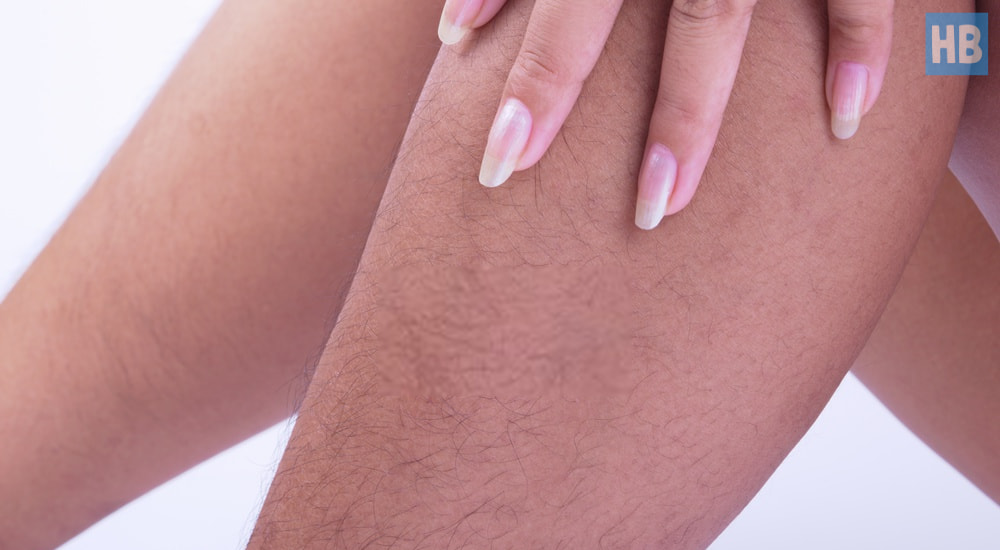
Several natural factors can affect leg hair growth, including genetics, age, and hormones. Genetics play a significant role in determining the thickness and rate of hair growth. Some people naturally have less hair on their legs, while others have more hair that grows faster. Age can also affect hair growth. As we get older, our hair may become thinner and grow at a slower rate. Hormonal changes can also affect hair growth. For example, during pregnancy, some women experience increased hair growth, while others may experience hair loss.
Medical Conditions That Can Affect Leg Hair Growth

Several medical conditions can affect leg hair growth, including hypothyroidism, anemia, and polycystic ovary syndrome (PCOS). Hypothyroidism is a condition in which the thyroid gland does not produce enough hormones. This can lead to a variety of symptoms, including slow hair growth. Anemia is a condition in which the body does not have enough red blood cells to carry oxygen to the tissues. This can lead to hair loss and slow hair growth. PCOS is a condition in which a woman's ovaries produce too many male hormones. This can lead to excessive hair growth in some areas, such as the face and chest, and slow hair growth in other areas, such as the legs.
Nutritional Factors That Can Affect Leg Hair Growth

Nutritional factors can also affect leg hair growth. A diet that is deficient in vitamins and minerals can lead to slow hair growth. For example, a deficiency in vitamin D can lead to hair loss and slow hair growth. Iron is also essential for hair growth, and a deficiency in this mineral can lead to hair loss and slow hair growth. Protein is also important for hair growth, and a diet that is low in protein can lead to slow hair growth.
Stress and Leg Hair Growth

Stress can also affect leg hair growth. When we are stressed, our body produces cortisol, which can disrupt the hair growth cycle. This can lead to hair loss and slow hair growth. To ensure that stress does not affect your hair growth, it is important to practice stress-reducing techniques, such as meditation, yoga, or deep breathing exercises.
How to Promote Leg Hair Growth

If you are concerned about slow leg hair growth, there are several things that you can do to promote hair growth. Eating a healthy, balanced diet that is rich in vitamins and minerals can help to promote hair growth. Taking supplements, such as biotin and iron, can also help to promote hair growth. Using hair growth products, such as minoxidil, can also be effective in promoting hair growth. It is also important to avoid stress and to practice stress-reducing techniques.
Conclusion
Slow leg hair growth can be a cause for concern, but there are several reasons why it may be happening. Understanding the factors that can affect hair growth, such as genetics, age, hormones, medical conditions, nutrition, and stress, can help you to take the necessary steps to promote hair growth. Eating a healthy, balanced diet, taking supplements, using hair growth products, and practicing stress-reducing techniques can all help to promote hair growth.